Comprehensive Topic PillarPeer Reviewed & Soil Tested

The Complete Indoor Plants & Houseplants Master Guide: Thriving Tropical at Home

Indoor houseplants elevate residential wellness, purify the living atmosphere, and bring natural elegance to interior spaces. Navigating light levels, understanding true drainage mechanics, and matching humidity requirements will transform you from an accidental plant killer into a confident indoor horticulturist.

Philemon John profile

Lead Author & Cultivator: Philemon John

10+ Years Backyard Experience

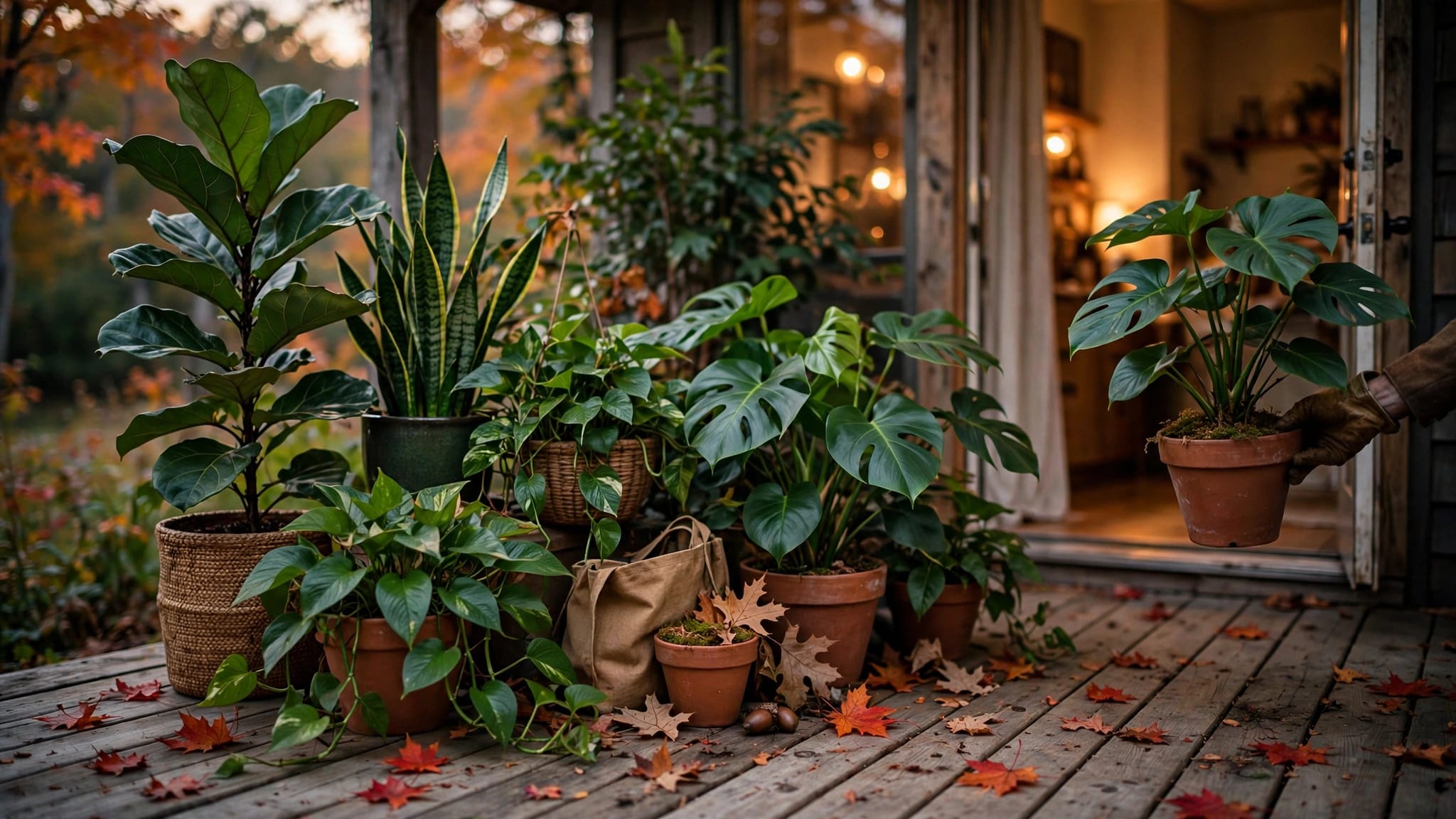
Sunny apartment living room filled with thriving Monstera, Ficus, and pothos houseplants

Core Principles & Golden Rules

Overwatering kills more houseplants than underwatering: Always feel the top 2 inches of soil before reaching for the watering can.

Match light accurately: "Bright indirect light" means a room where a person can comfortably read without artificial lamps, placed 2–4 feet back from an unshaded east or south window.

Drainage is compulsory: Never keep a plant in a pot lacking bottom drainage holes; standing stagnant water suffocates root hairs in under 48 hours.

Wipe foliage clean: Dust layers on indoor foliage block up to 35% of light absorption; gently wipe leaves with a damp microfiber cloth monthly.

Key Focus Areas & Topic Branches

Explore how this overarching pillar topic breaks down into specific practical gardening workflows.

Vital

Mastering Light Exposure

Deciphering direct sun, bright indirect, dappled, and true low-light tolerances for indoor foliage.

Soil Science

Chunky Aroid & Custom Soil Mixes

Formulating fast-draining potting soils with pine bark, perlite, horticultural charcoal, and coco coir.

Pest Control

Pest Identification & Eradication

Detecting spider mites, thrips, scale, and fungus gnats early with non-toxic neem and insecticidal soap.

Maintenance

Repotting & Rootbound Recovery

Knowing when to up-pot by 2 inches and how to untangle compacted root balls safely.

Comprehensive In-Depth Guide

1. The Real Chemistry of Houseplant Watering

Watering on a rigid calendar schedule (e.g. "every Tuesday") is the number one cause of houseplant mortality. Environmental factors like ambient humidity, room temperature, pot material (plastic vs. porous terracotta), and seasonal dormancy drastically alter hydration demand. Always gauge soil moisture using your finger or a calibrated moisture probe before adding water.

2. Crafting the Ultimate Aroid Substrate

Standard commercial potting soil is frequently too dense for tropical climbers like Monsteras, Philodendrons, and Anthuriums. Create a customized chunky blend: combine 40% high-quality potting mix, 30% orchid pine bark chips, 20% coarse perlite or pumice, and 10% horticultural charcoal. This structure guarantees oxygen flow to root tissues even immediately after saturation.

Topic Cluster Library

In-Depth Articles & Tutorials

Dive deeper into specific plant profiles, step-by-step troubleshooting, and specialized guides in Indoor Plants & Houseplants.

October 7, 2026•10 min read

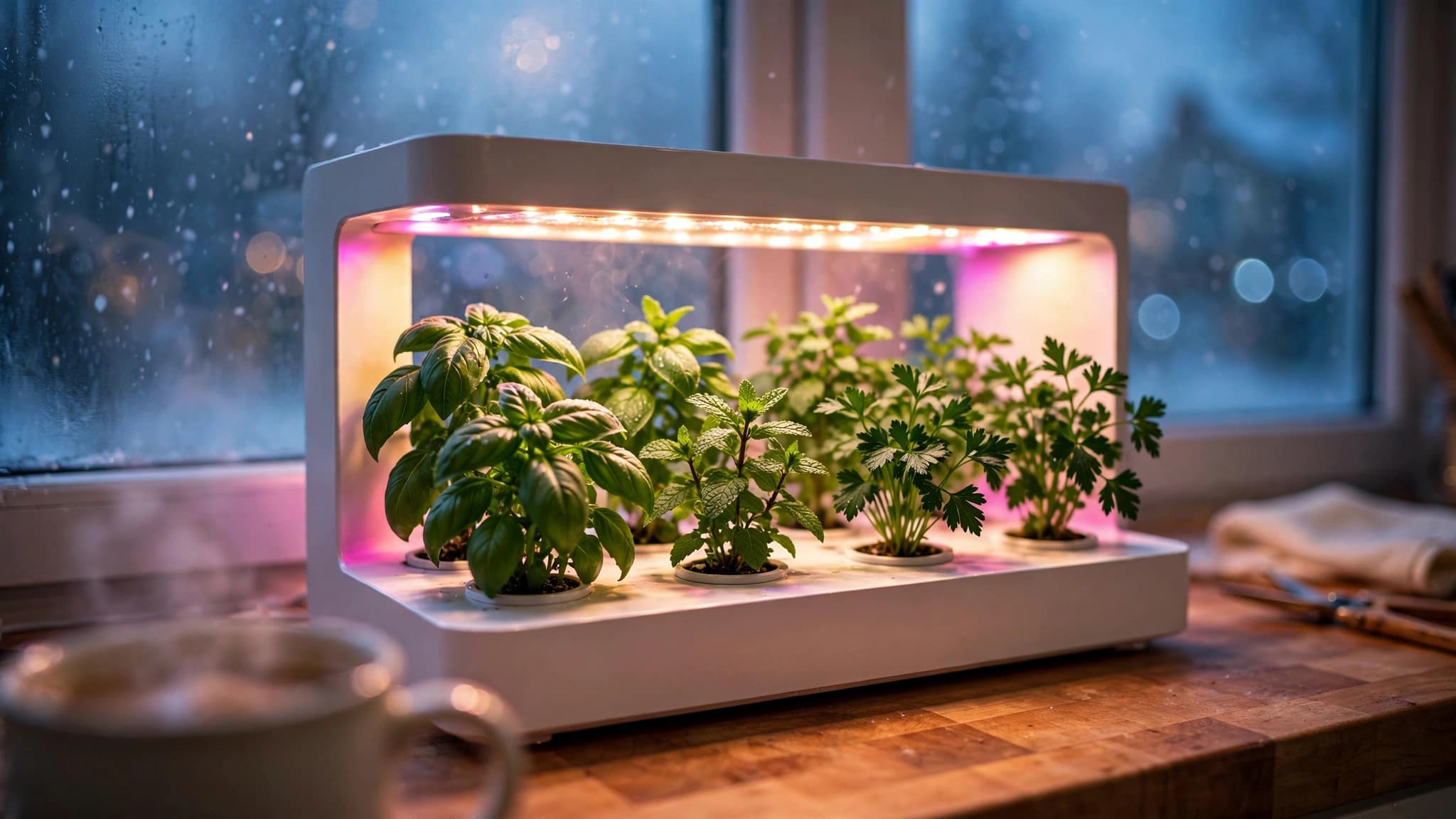
Best Indoor Hydroponic Garden for Herbs: 5 Top Picks

For winter herbs, consistent light (12 to 16 hours a day) matters more than which gadget you buy, so match the grower to your budget and habits. LetPot's LPH-Air is the best value, Click & Grow's Smart Garden 3 is the easiest, and DIY Kratky jars are the cheapest way to learn. If you cook with fresh herbs weekly, the savings add up, but occasional cooks are better off with a windowsill pot.

By Philemon JohnRead
October 4, 2026•11 min read

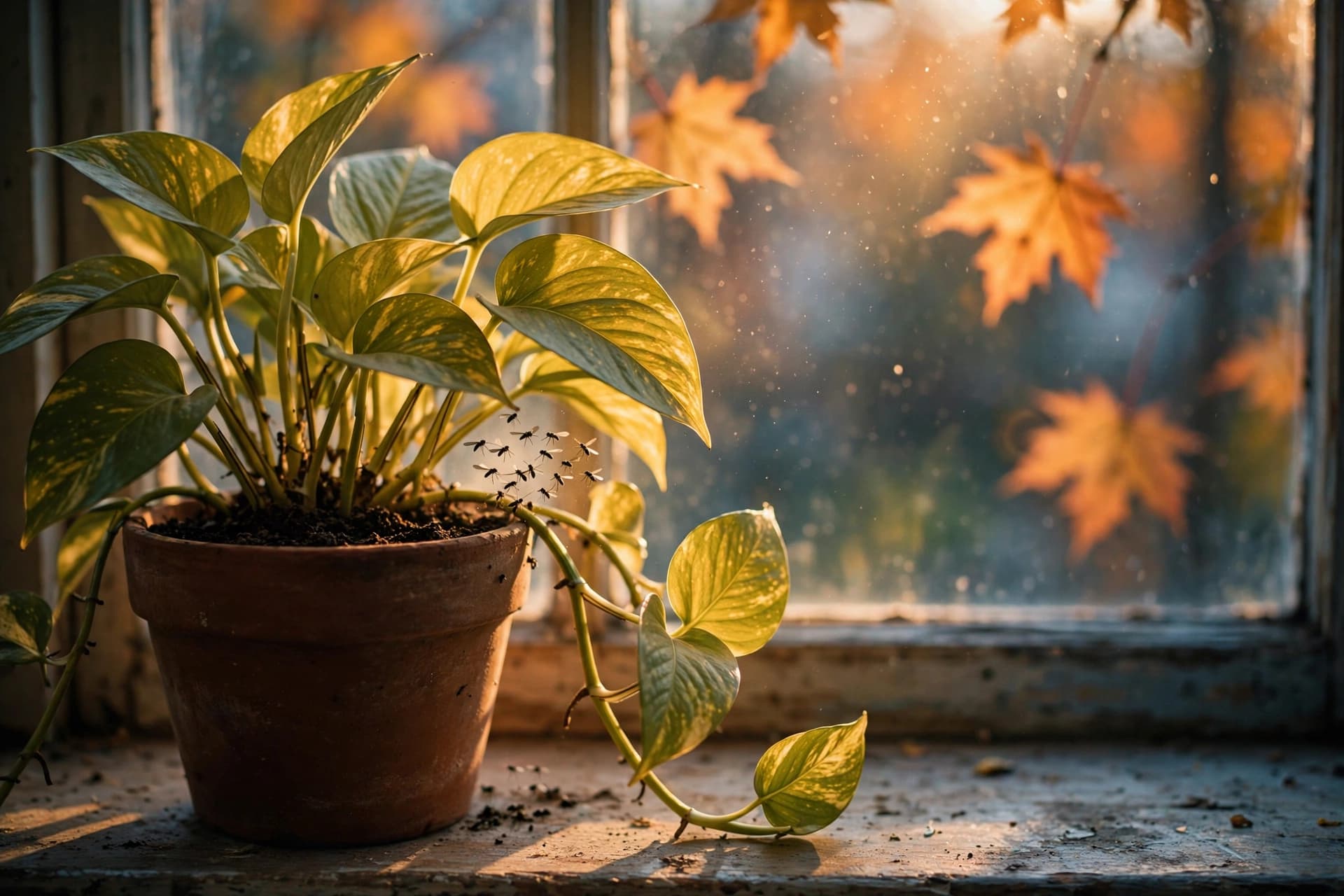
Fungus Gnats in Houseplants: Why They Show Up in October

October swarms of tiny black flies are a moisture problem, not a cleanliness problem: shorter days slow your plants, the potting mix stays wet, and egg-laying females take advantage. The fix is to attack the larvae, not just the adults, by letting the top 1 to 2 inches dry, trapping flies on yellow cards, and treating the soil with Bti or nematodes for three to four weeks. Prevent a repeat by watering to need, using a loose and sterile mix, and inspecting every plant before it comes indoors.

By Philemon JohnRead
September 29, 2026•8 min read

The Organic Way to Bring Your Houseplants Indoors This Fall: Without Bringing a Single Pest Inside

Learn how to safely bring your houseplants indoors before nighttime temperatures drop below 50°F to prevent cold shock and pest infestations. This guide provides a simple 4-week transition plan, including pest inspection techniques, pot-soaking routines, and natural treatments like neem oil and insecticidal soap. Follow these step-by-step quarantine tips to keep your indoor garden healthy, thriving, and completely bug-free all winter long.

By Philemon JohnRead

Frequently Asked Questions

Why are the tips of my indoor plant leaves turning crispy and brown?
Crispy brown tips usually point to low relative indoor humidity (common in winter heated homes) or chemical sensitivity to fluoride and chlorine in tap water. Try misting, using a pebble humidity tray, or switching to filtered water.
How do I eliminate fungus gnats in my potting soil?
Allow the top two inches of soil to completely dry out between waterings. Use yellow sticky cards to trap flying adults and drench the soil with water containing mosquito bits (Bacillus thuringiensis israelensis) to destroy the larvae.