Comprehensive Topic PillarPeer Reviewed & Soil Tested

The Definitive Flower & Ornamental Gardening Guide: Color, Texture & Pollinators

Ornamental gardening transforms an ordinary landscape into an enchanting sensory retreat. By weaving together flowering perennials, resilient shrubs, dramatic annuals, and architectural foliage, you can establish continuous blooming cycles from early spring bulbs to late autumn seed heads that sustain local native pollinators.

Philemon John profile

Lead Author & Cultivator: Philemon John

10+ Years Backyard Experience

Vibrant cottage flower border filled with perennials, echinacea, and salvia

Core Principles & Golden Rules

Layer by height: Position structural shrubs and tall focal flowers in the background, mid-height perennials in the center, and groundcovers along the border edging.

Deadhead regularly: Removing spent blooms redirects the plant’s energy from seed production back into vigorous vegetative growth and fresh flower buds.

Plant in drifts: Group perennials in odd-numbered clusters (3, 5, or 7) for a cohesive, naturalistic designer aesthetic.

Support native pollinators: Incorporate open-pollinated nectar powerhouses like Echinacea, Agastache, and Salvia to attract beneficial bees and butterflies.

Key Focus Areas & Topic Branches

Explore how this overarching pillar topic breaks down into specific practical gardening workflows.

Design

Perennials vs. Annuals Architecture

Designing mixed borders that balance reliable perennial returns with vivid, all-summer annual color.

Seasonality

Soil, Bulbs & Seasonal Succession

Planting spring-blooming bulbs in autumn and pairing them with emerging perennials to conceal fading foliage.

Biodiversity

Pollinator Sanctuary Gardens

Selecting pesticide-free native flowers that offer continuous nectar and larval host value.

Maintenance

Pruning & Winter Protection

Cut-back timing, deadheading schedules, and leaving architectural seed heads for winter bird feeding.

Comprehensive In-Depth Guide

1. Designing with Continuous Bloom Cycles

A common pitfall in ornamental beds is the "June explosion followed by July green desert." To prevent this, map your plantings across four distinct bloom windows: early spring (crocus, allium, tulips), early summer (peonies, irises, lupines), mid-to-late summer (coneflowers, black-eyed Susans, lavender), and autumn (asters, sedum, Japanese anemones).

2. The Power of Foliage and Texture

Flowers come and go, but foliage anchors your garden for seven months of the year. Contrast fine, wispy textures like ornamental grasses (Pennisetum, Calamagrostis) with broad, bold foliage like Hostas, Rodgersia, or Heucheras. Incorporating variegated and silver foliage adds dimension even under cloudy skies.

Topic Cluster Library

In-Depth Articles & Tutorials

Dive deeper into specific plant profiles, step-by-step troubleshooting, and specialized guides in Flower & Ornamental Gardening.

October 14, 2026•10 min read

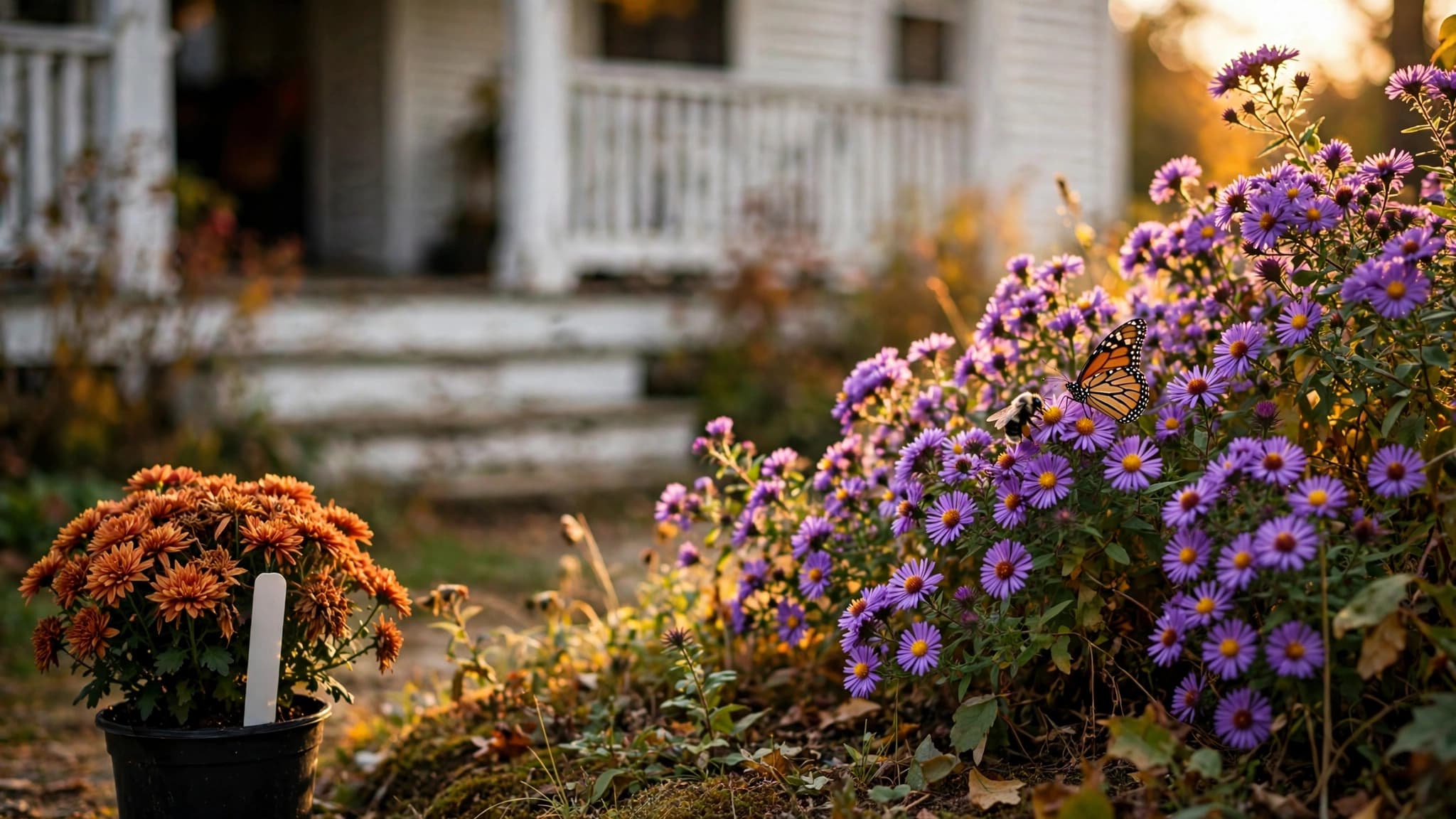
Asters vs Mums for Fall: Why Asters Win

Mums give quick porch color but are usually short-lived and offer little food for pollinators. Native asters return every year, grow fuller with age, and supply vital late-season nectar for bees and monarchs. Plant them in full sun about six weeks before your first hard freeze, pinch them back by early July, and keep mums for cheap seasonal pots.

By Philemon JohnRead
October 6, 2026•11 min read

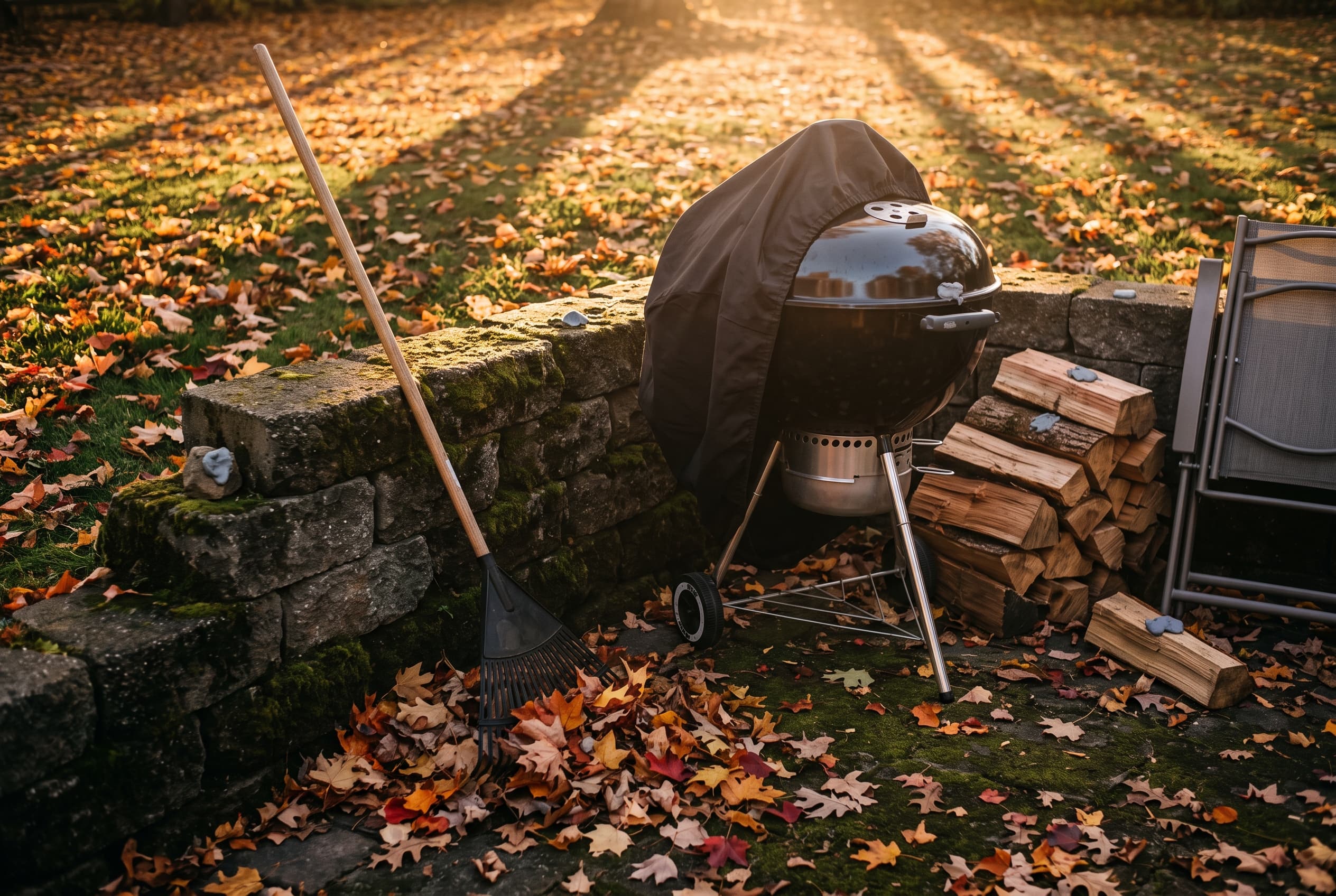
Ornamental Peppers for Fall Containers: 7 Best Picks

Ornamental peppers are one of the easiest ways to keep a porch Halloween-ready, because their black, purple, orange, and red fruit holds color from late summer until frost. Give them full sun, well-drained potting mix, and steady moisture, and pair frost-tender varieties like 'Black Pearl' with hardy pansies and kale that can stay out on cold nights. The fruit is edible but usually very hot, so treat it as decoration, keep pots away from pets, and bring plants indoors before frost to extend the show.

By Philemon JohnRead
October 3, 2026•10 min read

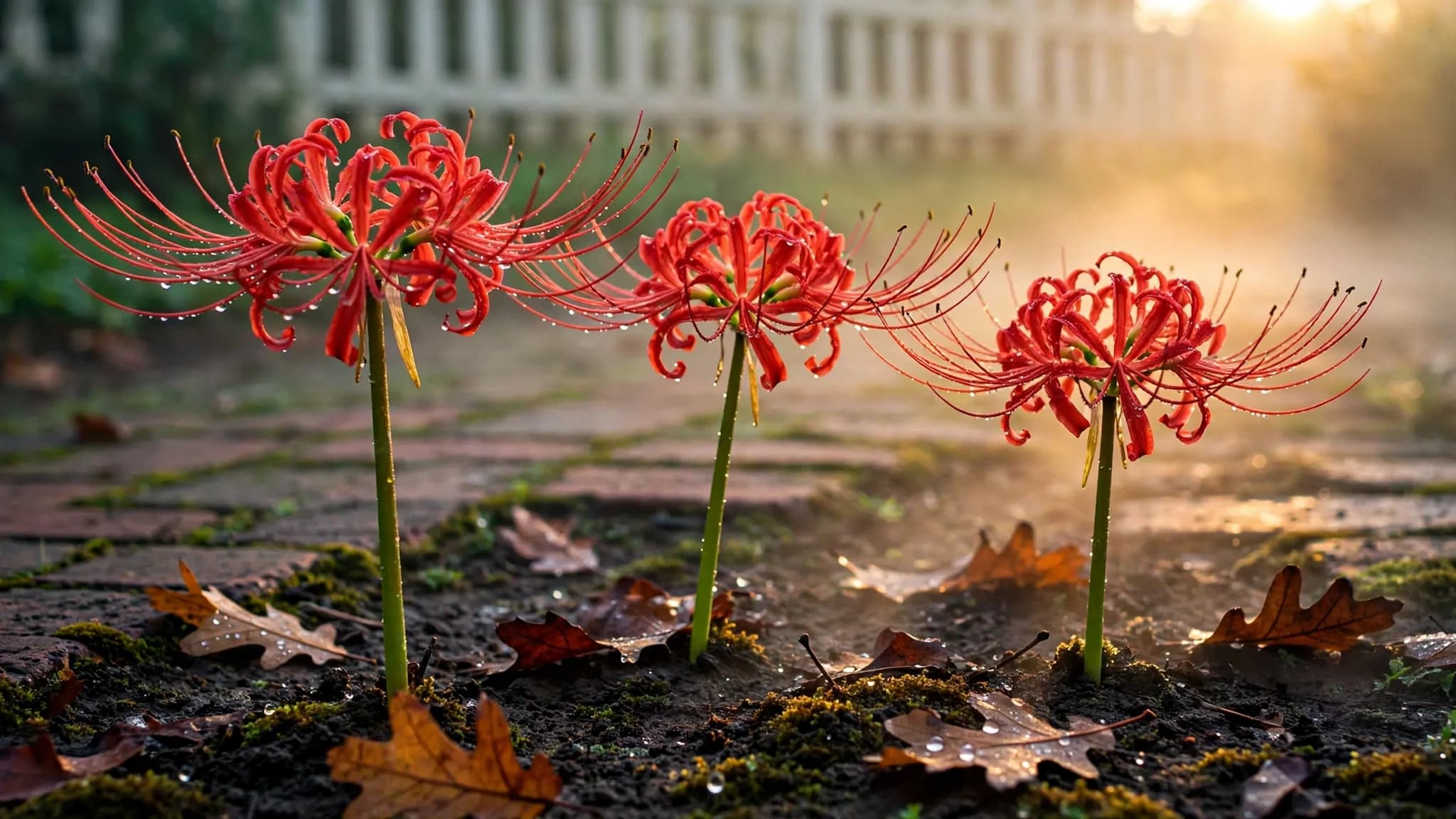
When to Plant Spider Lily Bulbs: Hurricane Lily Guide

Plant spider lily bulbs (Lycoris radiata) from late summer through early fall, setting bulb necks right at the soil surface in sunny, well-drained soil. Their unique leafless fall blooms rise shortly after heavy rains, followed by green winter foliage that feeds next year's growth. Discover the best planting dates by hardiness zone, sun versus shade tips, and simple solutions for non-blooming hurricane lilies.

By Philemon JohnRead
September 28, 2026•10 min read

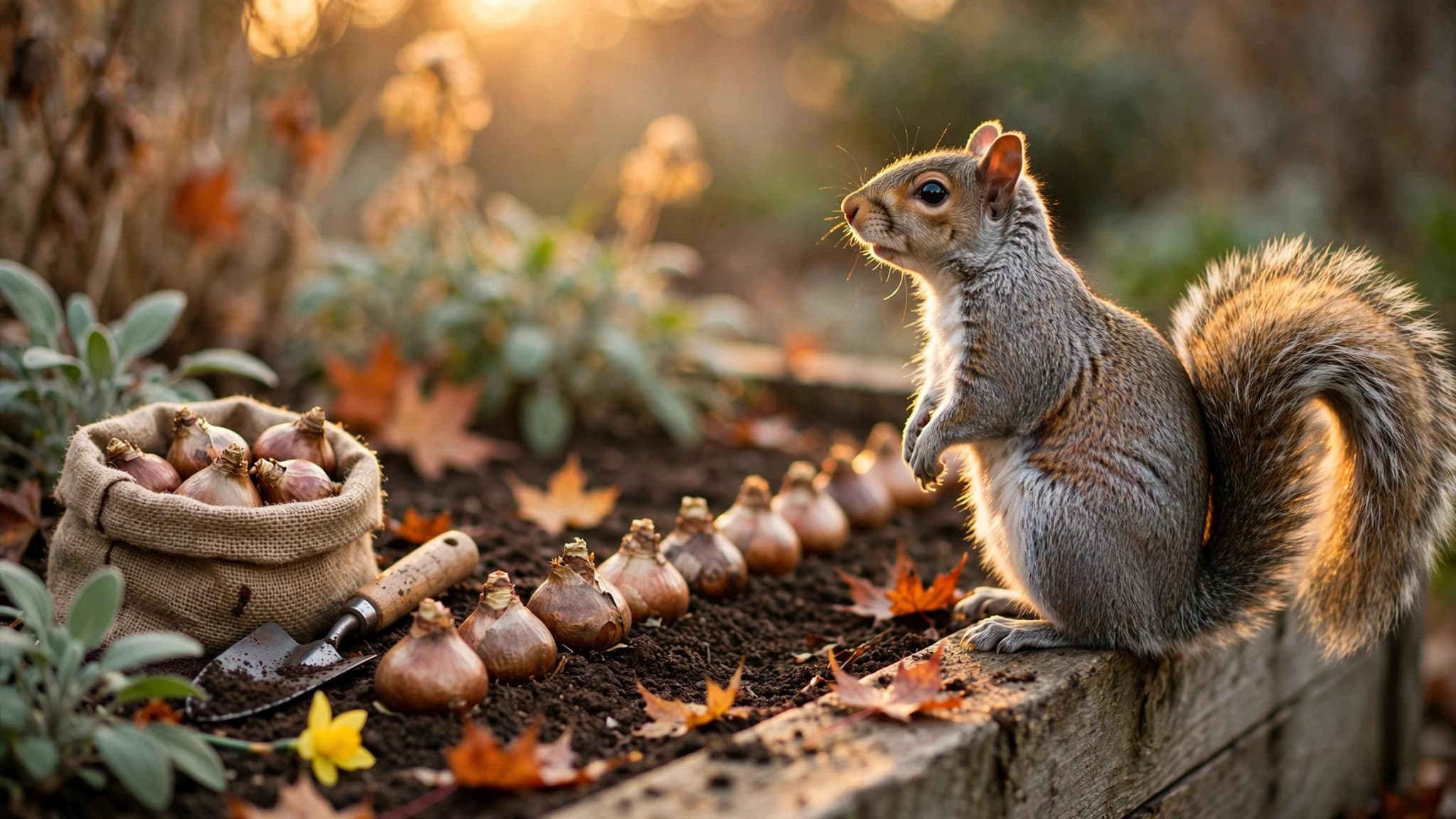
Squirrel-Proof Bulb Planting: 10 Spring Bulbs Pests Won't Touch

Protect your spring garden from hungry critters by planting naturally squirrel-proof flower bulbs like daffodils, alliums, and snowdrops this fall. This guide covers rodent-resistant bulb varieties, smart planting tactics like chicken wire barriers, and natural repellents to keep your garden intact. Plant your bulbs at the right depth before the first hard freeze to enjoy vibrant, undamaged blooms all through spring.

By Philemon JohnRead

Frequently Asked Questions

When should I cut back perennial flower beds?
While tidy gardeners cut everything back in autumn, modern ecological gardening recommends waiting until late winter or early spring. Leaving stems and seed heads provides crucial winter shelter for beneficial insects and food for birds.
How do I stop powdery mildew on phlox and roses?
Ensure optimal spacing to allow cross-ventilation, water exclusively at root level in the early morning, and mulch thoroughly to prevent fungal spores in the soil from splashing onto lower leaves.