Comprehensive Topic PillarPeer Reviewed & Soil Tested

The Living Soil & Composting Pillar Guide: Building Unstoppable Garden Fertility

Healthy soil is not an inert anchor for roots; it is a teeming, complex ecosystem populated by billions of beneficial fungi, bacteria, nematodes, and earthworms. By understanding soil texture, practicing no-till regeneration, and balancing carbon-to-nitrogen ratios in your compost bin, you unlock effortless plant vigor and pest resistance.

Philemon John profile

Lead Author & Cultivator: Philemon John

10+ Years Backyard Experience

Rich dark organic garden compost and healthy soil crumb structure

Core Principles & Golden Rules

Feed the soil, not the plant: Synthetic N-P-K salts temporarily feed plant foliage while starving the symbiotic mycorrhizal fungal networks below.

Balance Browns to Greens: Maintain a 30:1 carbon-to-nitrogen ratio in your compost pile (dry leaves/straw vs. fresh vegetable scraps/grass clippings).

Adopt the No-Till Method: Digging and rototilling destroys soil fungal hyphae and brings dormant weed seeds to the surface.

Protect bare soil at all costs: Never leave bare earth exposed to baking sun and heavy rain; keep it carpeted with mulch or cover crops.

Key Focus Areas & Topic Branches

Explore how this overarching pillar topic breaks down into specific practical gardening workflows.

Diagnosis

Soil Textures & Simple DIY Tests

Conducting the jar shake test and ribbon test to determine your clay, sand, and silt composition.

Composting

Hot vs. Cold Composting Systems

Accelerating decomposition with aeration, moisture management, and thermophilic bacterial activation.

Organic

Worm Farming & Vermicompost

Harnessing Red Wiggler earthworms to convert kitchen scraps into microbe-dense black gold castings.

Regenerative

Cover Cropping & Living Mulch

Sowing clover, winter rye, and hairy vetch to scavenge nutrients and fix atmospheric nitrogen.

Comprehensive In-Depth Guide

1. The Soil Food Web Explained

A single teaspoon of healthy, organic topsoil contains more microbial organisms than there are humans on Earth. These micro-architects break down minerals and organic matter into plant-available ionic forms. In exchange, plant roots exude sugars and carbohydrates to feed them. Protecting this symbiotic marketplace is the secret to pest-free, resilient crops.

Topic Cluster Library

In-Depth Articles & Tutorials

Dive deeper into specific plant profiles, step-by-step troubleshooting, and specialized guides in Soil, Compost & Fertilizers.

October 12, 2026•11 min read

Why Are Fertilizer Prices Rising in 2026? What Nov 15 Means

Fertilizer costs spiked in spring 2026 on Strait of Hormuz disruptions, pricey sulfur and tight phosphate, and have only partly cooled. The Jones Act shipping exemption expires Nov. 15 unless renewed, yet experts say global events matter more, so a modest rise looks likelier than a spike. Hedge with a soil test, free leaves and compost, and buy only what your beds need.

By Philemon JohnRead
October 2, 2026•11 min read

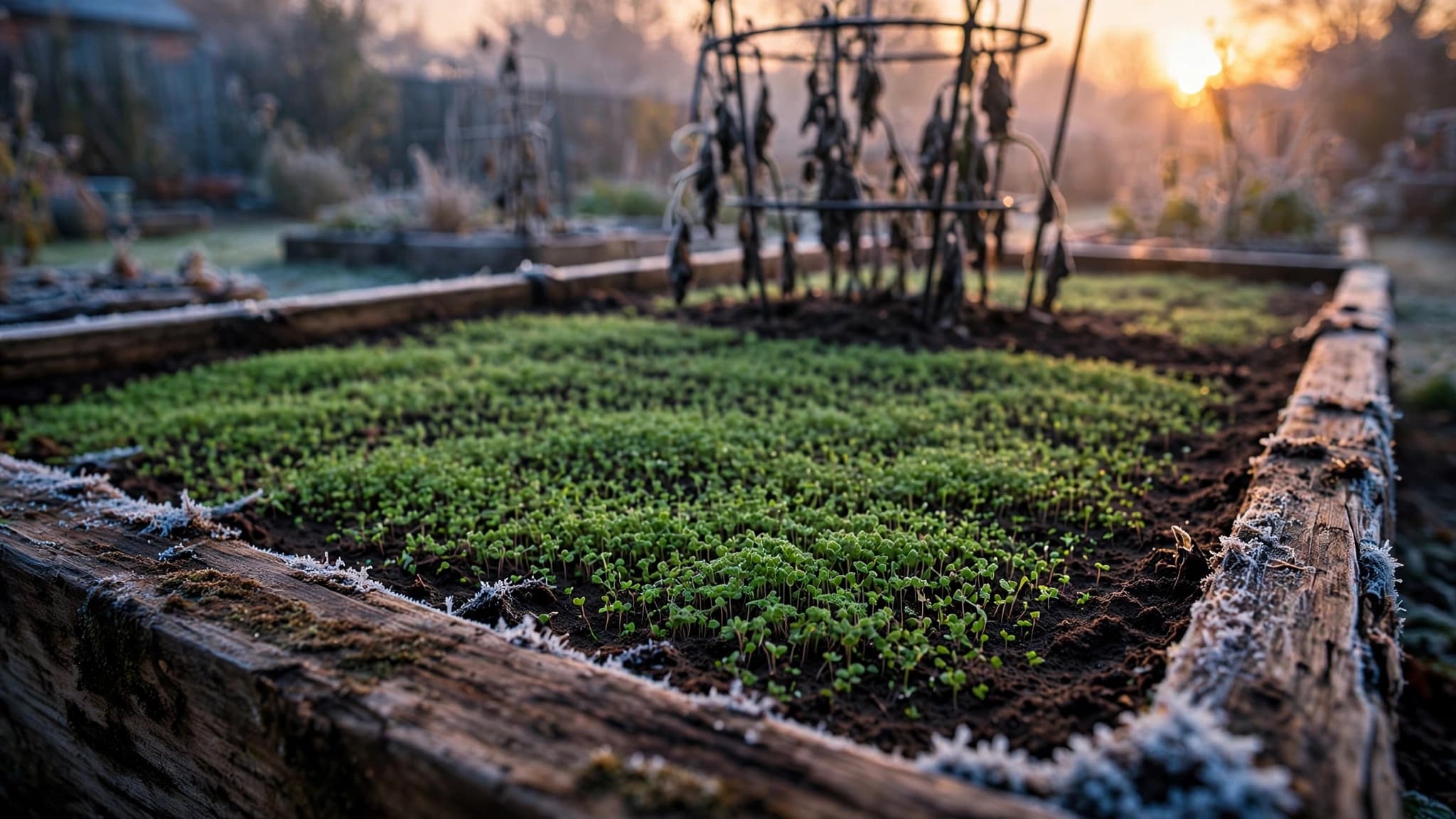
5 Fall Cover Crops to Vegetable Gardens (Sow by Oct. 10)

Looking to protect and nourish your vegetable garden soil this autumn? Sowing the right fall cover crops before Oct. 10 prevents nutrient loss, suppresses winter weeds, and enriches your garden bed for spring. Discover the 5 best cold-hardy cover crops—including winter rye, crimson clover, and oats—along with a step-by-step planting guide for a healthier, high-yielding harvest next season.

By Philemon JohnRead
October 1, 2026•10 min read

How to Avoid Sewage Sludge in Fertilizer (Label Guide)

Learn how to avoid sewage sludge in fertilizer and bagged compost to protect your garden from hidden biosolids and PFAS "forever chemicals." Follow our 5-step label checking guide to easily decode ingredient lists, identify vague product claims, and choose trusted OMRI Listed organic alternatives. Make safer choices for your soil, vegetable beds, and lawn with clean, sustainable plant nutrients.

By Philemon JohnRead

Frequently Asked Questions

Why does my compost pile smell like rotten eggs?
A foul smell indicates anaerobic conditions caused by either excess moisture or too many nitrogen-rich "greens" without enough carbon-rich "browns." Turn the pile thoroughly and fold in shredded dry leaves, cardboard, or straw to reintroduce oxygen.
How thick should my mulch layer be?
For vegetable beds, apply 2 to 3 inches of clean straw, shredded leaves, or wood chips. For perennial and shrub beds, a 3 to 4-inch layer is ideal. Always keep mulch pulled 2 inches back from plant stems to prevent rot.