Comprehensive Topic PillarPeer Reviewed & Soil Tested

The Year-Round Seasonal Gardening Blueprint: Month-by-Month Success

Gardening is an ongoing dance with the seasons. Aligning your planting dates, pruning windows, and soil enrichment routines with regional seasonal milestones guarantees robust yields, spectacular ornamental blooms, and calm, prepared transitions throughout the four quarters of the year.

Philemon John profile

Lead Author & Cultivator: Philemon John

10+ Years Backyard Experience

Lush garden landscape transitioning through seasonal morning mist

Core Principles & Golden Rules

Spring: Focus on cold-tolerant brassicas, seed starting, soil waking, and applying fresh compost dressings.

Summer: Prioritize deep irrigation, protective heat mulching, pest scouting, and continuous fruit harvesting.

Autumn: Sow cold-hardy greens, divide mature perennials, plant spring bulbs, and collect fallen leaf mold.

Winter: Plan bed rotations, service and sharpen tools, order heirloom seeds, and protect cold-sensitive perennials.

Key Focus Areas & Topic Branches

Explore how this overarching pillar topic breaks down into specific practical gardening workflows.

Spring

Spring Awakening & Frost Windows

Calculating local frost dates, hardening off seedlings, and waking cold-dormant soil.

Summer

Midsummer Heat & Drought Resilience

Shade cloth deployment, morning watering schedules, and heat-tolerant crop selection.

Autumn

Autumn Harvest & Soil Winterization

Planting garlic, lifting tender tubers, establishing cover crops, and sheet mulching.

Winter

Winter Strategy & Dormant Pruning

Pruning deciduous fruit trees, testing stored seed viability, and mapping crop rotations.

Comprehensive In-Depth Guide

1. Working with Frost Dates & Microclimates

Your regional USDA or hardiness zone tells you minimum winter temperatures, but your average last and first frost dates dictate your planting calendar. Pay close attention to microclimates on your property: south-facing brick walls retain radiant heat and warm up weeks earlier in spring than low-lying frost pockets.

Topic Cluster Library

In-Depth Articles & Tutorials

Dive deeper into specific plant profiles, step-by-step troubleshooting, and specialized guides in Seasonal Gardening Guides.

October 9, 2026•9 min read

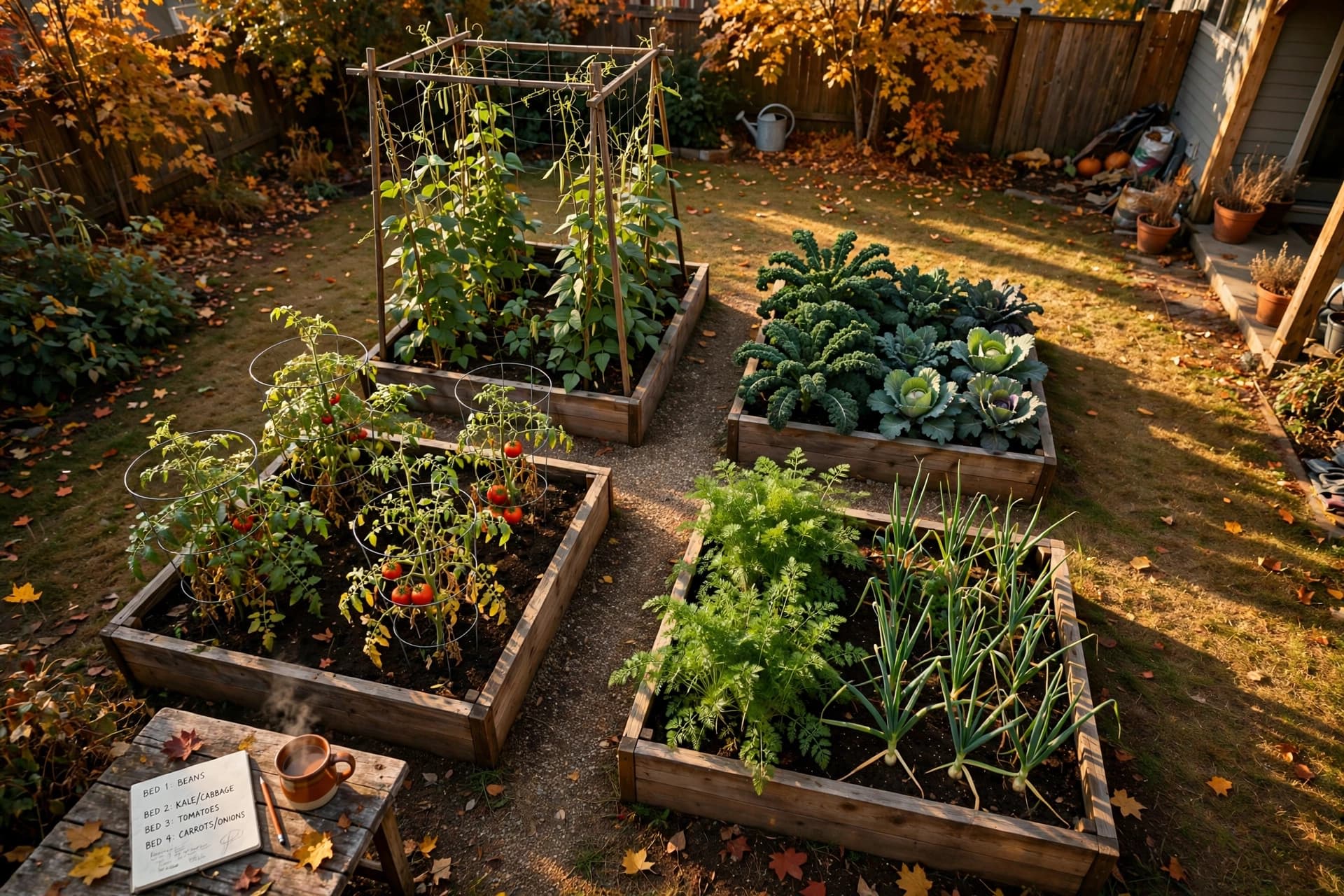
Vegetable Garden Crop Rotation Plan: Map It in 5 Steps

Rotating plant families through different beds each season keeps pests, diseases, and nutrient drain from building up in your soil. Sort crops into four groups (legumes, leafy greens and brassicas, fruiting crops, and roots and alliums) and shift each group one bed forward every year. Sketch your beds this fall, and wait three to four years before any family returns.

By Philemon JohnRead
October 2, 2026•10 min read

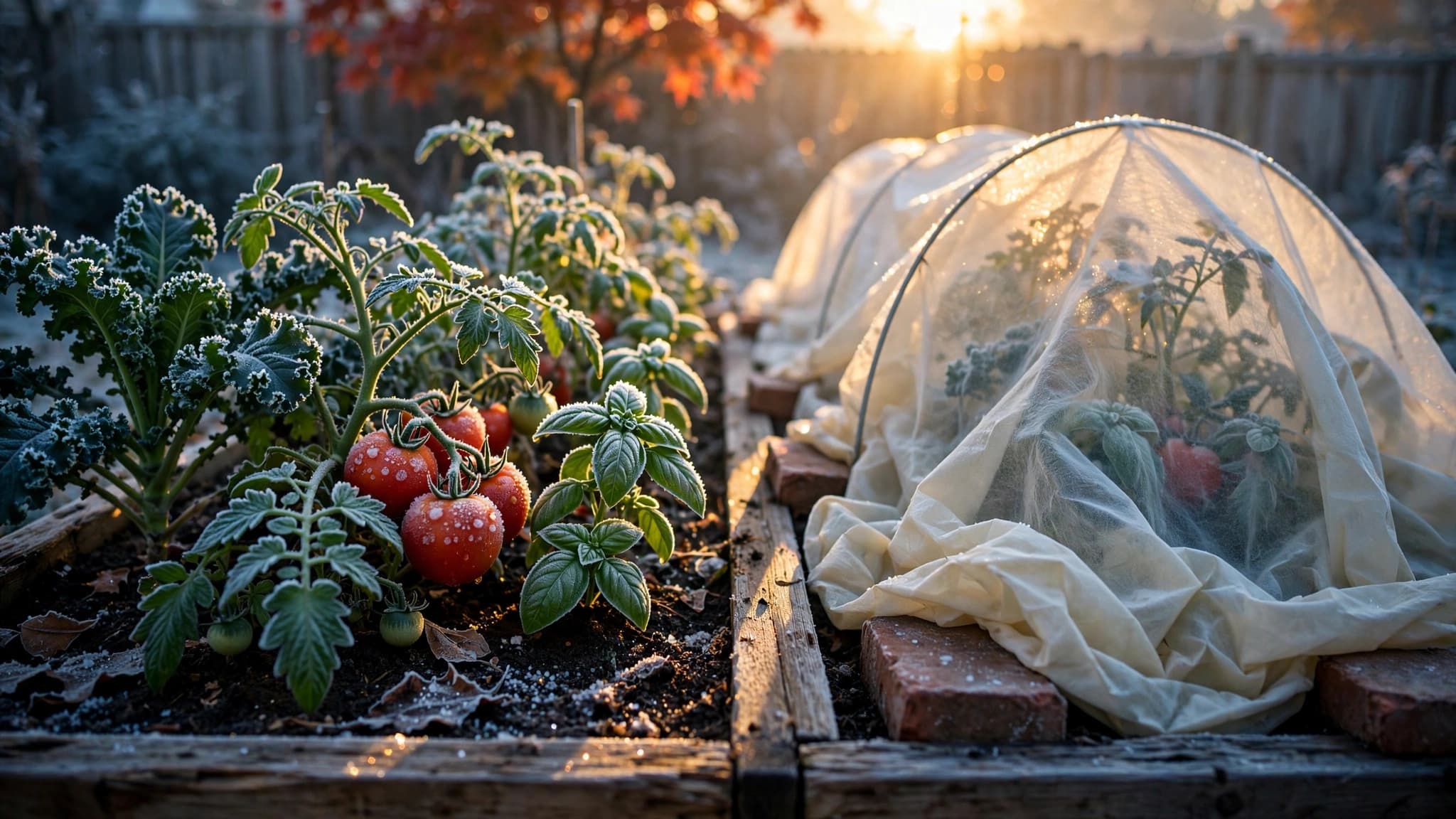
What to Do Before the First Frost: Oct. 3–4 Checklist

Prepare your garden for freezing weather with a fast, 7-step emergency plan to protect tender plants, herbs, and potted tropicals. Learn key differences between a frost and a freeze, which crops to harvest immediately, and how to properly drape covers to trap soil heat overnight. Save your favorite vegetables, prevent leaf damage, and safely transition indoor plants before the temperature drops.

By Philemon JohnRead
October 1, 2026•10 min read

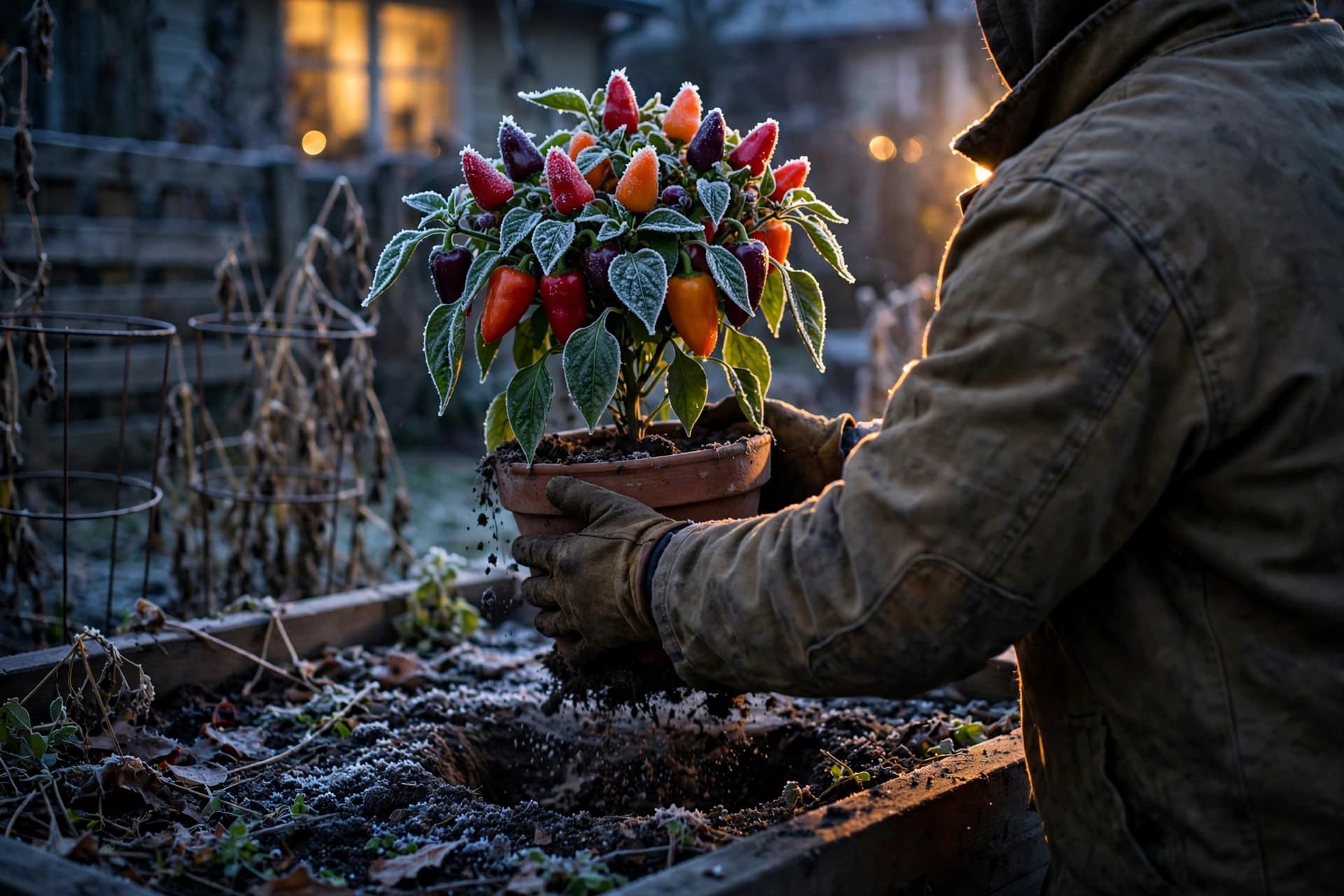
Stop Killing Your Peppers: How to Overwinter Pepper Plants

Learn how to overwinter pepper plants indoors to protect your favorite varieties from frost and get a head start on next year's harvest. By pruning back growth and selecting the right overwintering method—whether active growth under lights or dormant storage in a cool space—you can keep these perennial plants alive for years. Follow this step-by-step guide to manage winter pests, optimize indoor care, and enjoy earlier, heavier pepper yields come spring.

By Philemon JohnRead

Frequently Asked Questions

What is hardening off and why is it mandatory?
Hardening off is the gradual process of acclimating tender indoor seedlings to direct outdoor sunlight, wind, and fluctuating temperatures over 7 to 10 days before transplanting into the ground.