Stop Killing Your Peppers: How to Overwinter Pepper Plants
By Philemon John
Lead Author & Cultivator • Peer Reviewed & Soil Tested
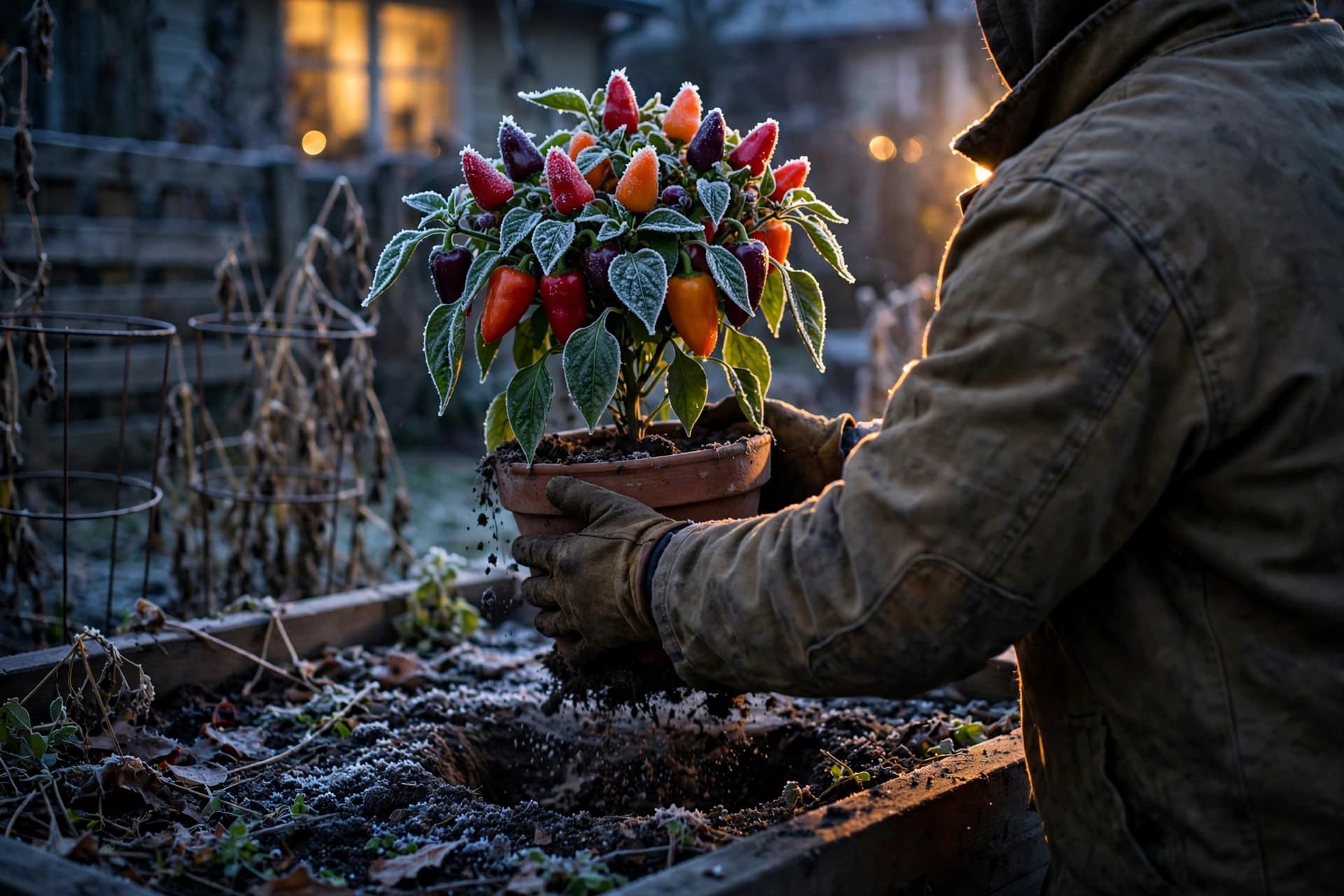
Early fall, a cold night and the weather forecast says frost is expected, but your favorite jalapeno plant still has peppers! It is pulled up and thrown in the compost pile by most American gardeners. This is a waste as a pepper is a tender, perennial crop with a potential for years of production. Here are some easy, step-by-step instructions to save your most favorite plants and start next summer's crop early.
Yes, pepper plants can be kept alive during the winter. Cut it back in half or more and check for pests before it gets below approximately 50°F and place it under a bright window or grow light. Or store at 45–55°F in a frost-free location and water approximately once a month. Pepper is a tender perennial plant that is most often killed by frost.
Are Pepper Plants Perennials? Why Most Gardeners Treat Them Like Annuals
Technically, yes. Peppers are a warm-season crop and originate in the warm tropics of Central and South America where the season never ends. If hard freezes are infrequent (USDA zones 10 and 11), the plant can remain in the ground and continue to produce for years (see USDA Plant Hardiness Zone Map and university extension services). Not certain what zone you are in? Check on the USDA Plant Hardiness Zone Map.
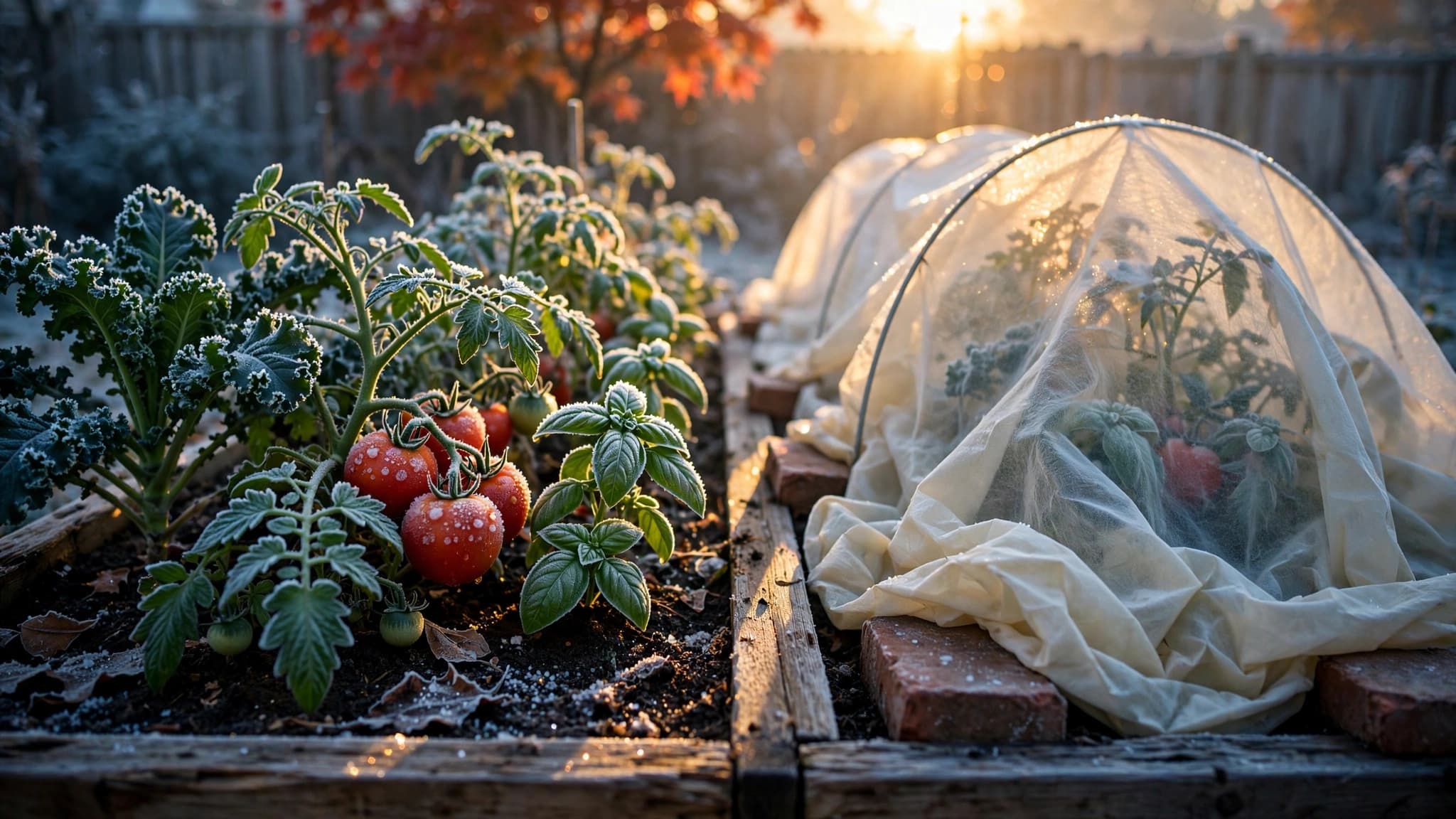
Why are peppers considered one season crops by most of us? Cold. Leaves and stems are damaged by frost at 32°F, and growth is inhibited when nights drop below about 55°F (Source: University Extension). In most parts of the nation, a freeze is evident before a plant is exhausted. The plant is by no means complete. The weather is.
There are peppers that ripen better than others:
- Tough, Woody and Best Candidates are Hot varieties (habanero, Scotch bonnet, cayenne, Thai chili).
- Jalapeño, serrano and paprika types: Steady and fast recovery.
- Large sweet peppers such as bell peppers can do it, but tend to be less vigorous the second year.
To see a guide to growing peppers in deeper growing, refer to Clemson Cooperative Extension's pepper guide. There's help in our vegetable gardening guides for the rest of your garden!
When to Bring Pepper Plants Indoors Before the First Frost
Most gardeners make the mistake of timing. No need to wait for frost warning. Peppers begin to suffer at low temperatures of 50's or less, and will drop leaves during a few cold nights which will take weeks to come back up (University Extension Sources).
Here's a simple guideline. Bring plants indoors when nighttime lows begin to drop into the low to mid 50s°F, typically 1-2 weeks before your average first frost date (Source: NOAA). Please ask your local extension office for the date.
This table is a general guideline:
| USDA zones | Typical move-inside window |
|---|---|
| Zones 3–4 | Early to late September |
| Zones 5–6 | Late September to mid-October |
| Zones 7–8 | Mid-October to early November |
| Zones 9–10 | November or later, or only before cold snaps |
(Source: USDA zone map, NOAA frost data - dates may differ from year to year and microclimate.)
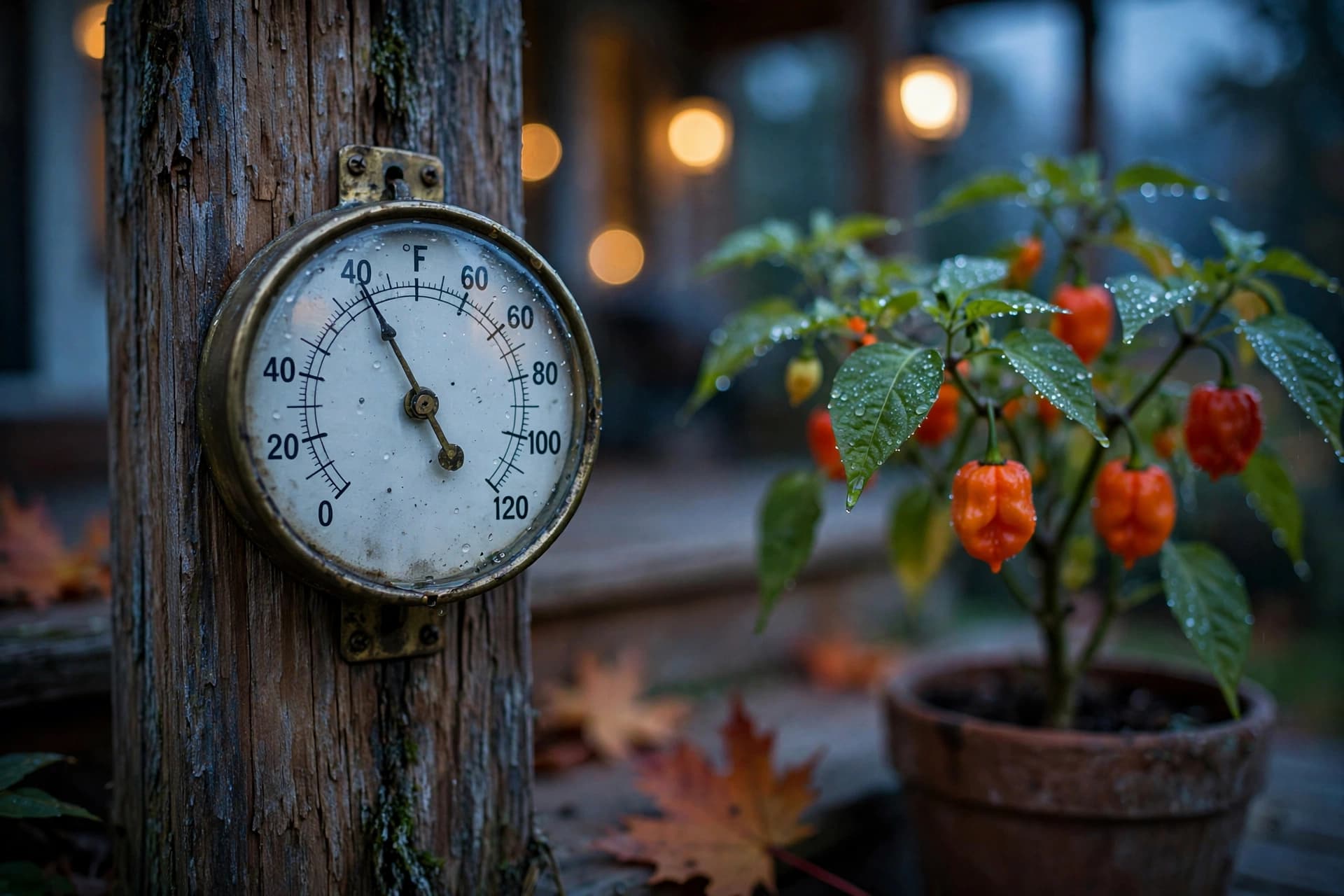
Avoid disturbing the plant. A pepper that has absorbed all the sun during the summer can lose leaves when it is placed in a dark room. Move pots to a shaded porch a week prior to move and move them to the inside. Use pots in a garage overnight or cover with a sheet of bed linen if a surprise frost is predicted. If there's any more to-do lists to look at, check out our fall gardening guides.
How to Prune Pepper Plants for Winter (Without Killing Them)
It may be tough to cut back, but it's the best you can do for a plant that's coming in from outside. The smaller the more mature plant, the less it will require in terms of light and water, and the less hiding places it will have for bugs. It also produces new compact growth in the spring.
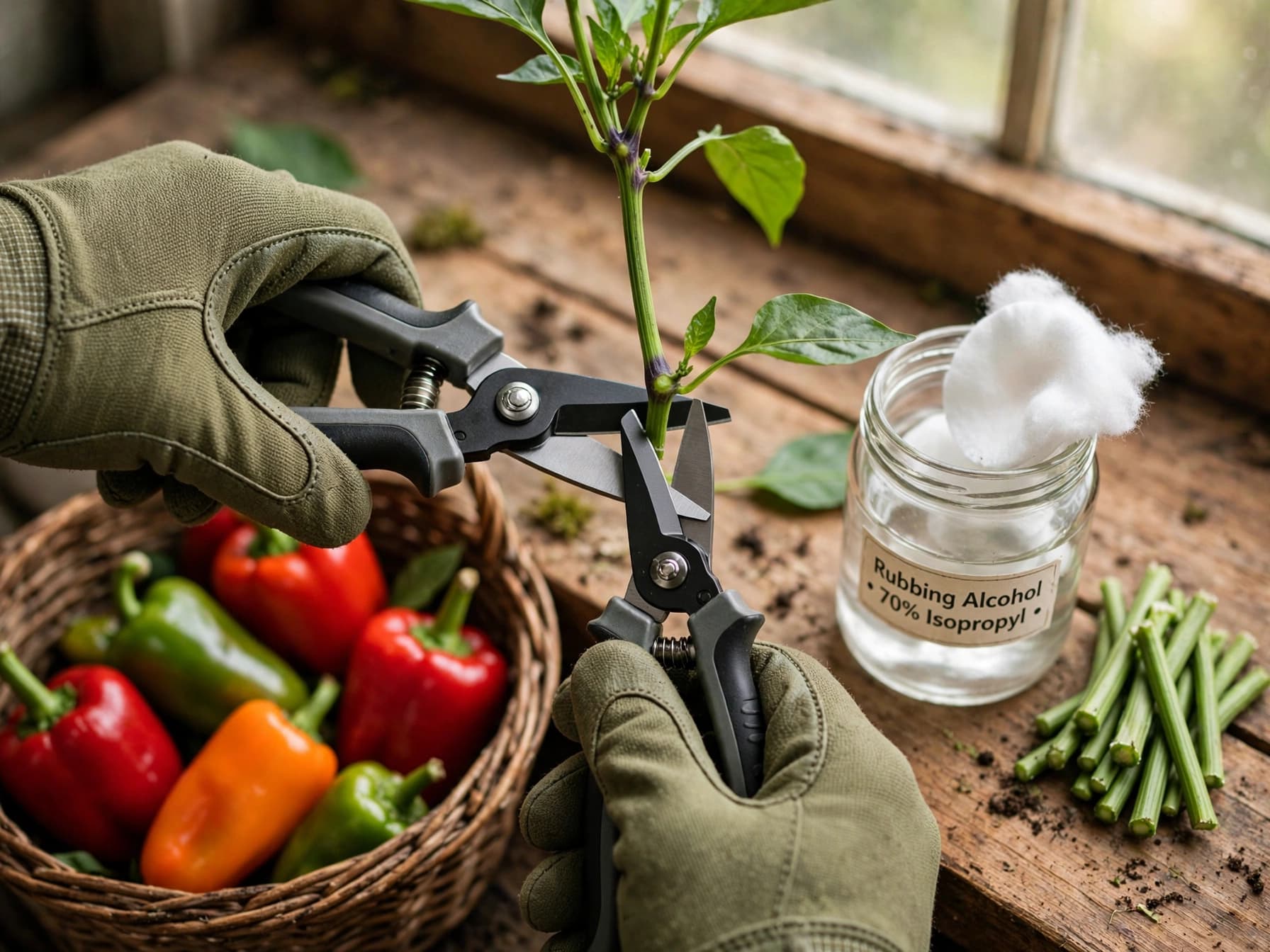
- Harvest everything. Harvest all peppers, ripe or not. These green ones can be cooked, pickled, or left on the counter to turn a bit of color. Prune out all flowers and buds.
- Sanitize your pruners. Use rubbing alcohol to clean the blades so as not to spread disease from blade to blade.
- Reduce by half to two thirds. The major stems of most plants generally develop about 6 to 12 inches long, depending on the size.
- Cut above a node. Cut at a Y-shaped branch or leaf joint at an angle approximately ¼” above the joint.
- Leave some leaves. If under lights, leave a few healthy leaves on each branch as these provide energy for regrowth. Most of them can be stripped for dormant storage.
- Clean house. Cut off, remove or trim away crossing or dead and yellow branches and soil debris.
A caution is that you should not make any cuts on bare, leafless, woody stem without any nodes. There is a possibility that it will never re-sprout. Err on the side of taking a bit off if in any doubt.
How to Overwinter Pepper Plants Indoors Step by Step
This is the current method. The plant keeps on growing slowly throughout the winter in a warm room. Not as easy as dormancy, but fastest start in spring.
Step 1: Evict the Pests First
Pepper plants are good hosts for bugs to hitch a ride on. Inspect undersides of leaves and joints of stems for aphids, whiteflies, scale and fine spider mite webbing. Pest guides published by the UC Statewide IPM Program include photos for easy identification.
Hose off and spray with insecticidal soap every 5-7 days for 2-3 weeks (Source: UC Statewide IPM Program). According to the major retailers, the average quart is 8-15. While washing, avoid letting the plant come into contact with other houseplants. Our pest and disease control section discusses each pest in greater detail.
Step 2: Pot It Up in Fresh Soil
When growing in the ground, cut back 1/3 root ball, dig a wide root ball. Place in a pot, 8-12 inches in width with drainage holes. Repeat several days in advance of the move to allow the plant to get established in the garden outside in an area of shade. Plants that are already in containers may remain in their same location. Remove the upper 2 inches of the soil and replace with new soil mix.
Avoid garden soil, which packs soil in pots and carries pests in. Use a different potting mix that drains well and is loose. The approximate prices of a bag range from 10 to 20 (Source: major U.S. retailers).
Step 3: Give It Strong Light
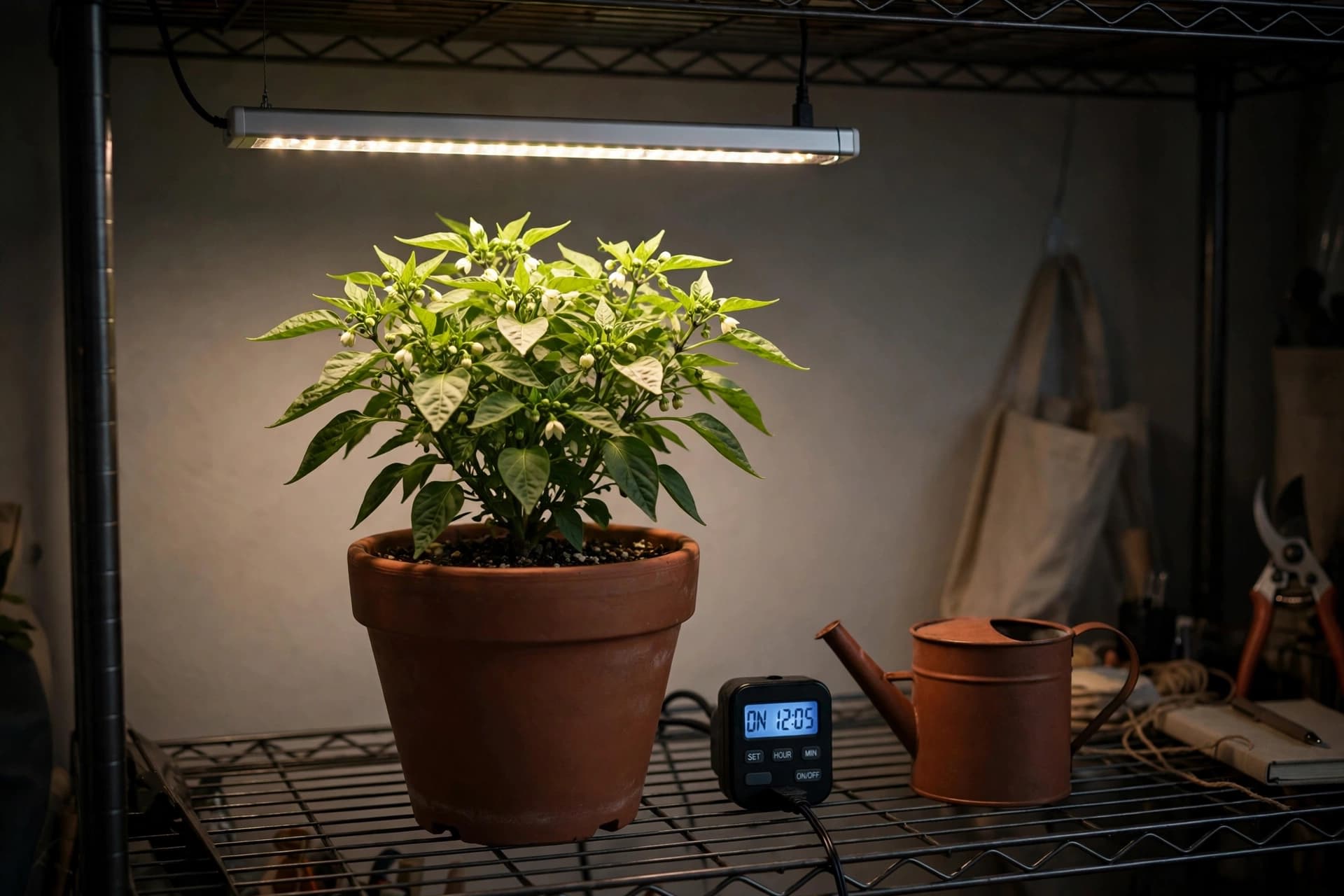
South-facing window or if that is not possible, a window that gets morning sun, but that sun doesn't last very long in winter. Peppers need about 12 to 14 hours of bright light a day. Expect a full-spectrum LED grow light at 6-12” above the leaves (as directed by the manufacturer) that is powered by a timer. The price of a basic LED grow light is approximately 20-60 (Source: major U.S. retailers). Maintain the temperature of the room between 60°F and 75°F. See our indoor plant care guides for more light and humidity information for the winter.
Step 4: Water and Feed Lightly
With slow growth comes slow thirst. Water when top 1" of soil feels dry and always remove the saucer. Avoid fertilizing until new leaves grow and then fertilize with a balanced houseplant fertilizer diluted to ¼ strength monthly.
Remove flowers until late winter to allow the plant to re-grow. If you prefer early peppers, use a small paint brush to brush the flowers. In the house, there's not a wind to do it for you and there's not a bee.
Overwintering Pepper Plants in a Basement or Garage: The Low-Effort Method
Have no spare window or grow light? The hands off approach is dormancy. It hibernates in a cold place, waters once a month and emerges in late winter. Loose screws have the following comparison:
| Factor | Light and growth (indoors) | Dormant storage (cool space) |
|---|---|---|
| Temperature | 60–75°F | 45–55°F |
| Light | 12–14 hours of LED light | Little to none |
| Watering | When the top inch is dry | About once a month |
| Feeding | Quarter strength, monthly | None until late winter |
| Effort | Moderate | Low |
| Cost | Grow light and electricity | Nearly free |
| Best for | Fastest spring restart | Busy gardeners with several plants |
Basement
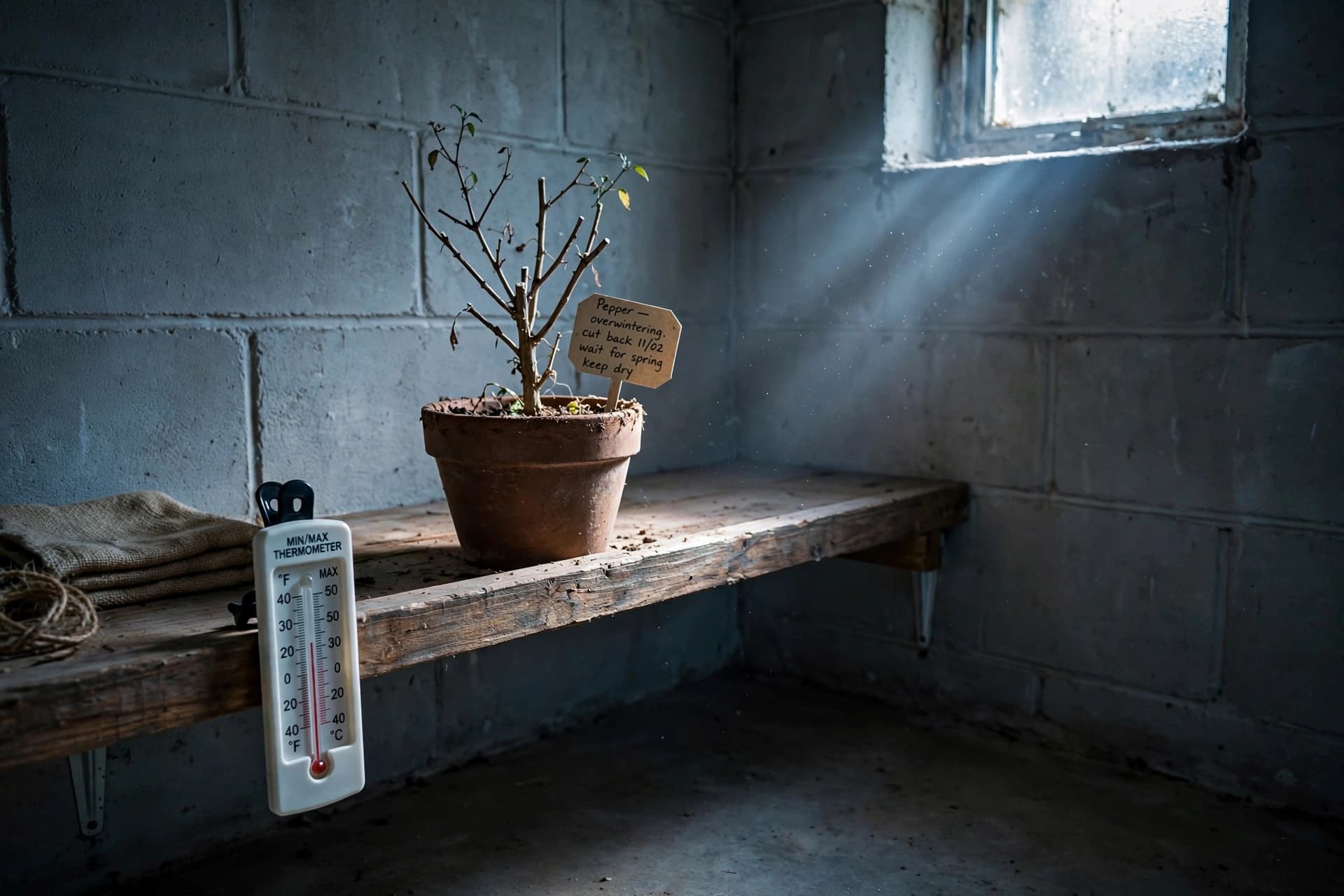
A basement is a good choice. Generally temperatures are in the 50s to low 60s° F and frosts are not a risk. Place pot on shelf not against cold concrete wall. Plants will attempt to leaf out in the dark if the space warms above approximately 60°F, and will become pale and leggy. Otherwise, install a simple shop light, or relocate them to a cooler location. Be careful not to overwater because it can attract fungus gnats and mold.
Garage
Without maintaining a temperature above freezing, a garage is ineffective. Attached garages are generally warmed to the 40s or 50s°F while detached garages in cold areas may become frozen. Place a min/max thermometer on a shelf for a week before committing – major retailers (about 10-15). Ensure pots are not on the concrete floor or near the overhead door. If it is predicted to be freezing, transport them indoors at night.
Check In Monthly
Trim back the plant severely, water once and allow to dry out. Test stems monthly to be sure they are not shriveled. If soil is completely dry, offer a small drink. If new growth emerges, put the plant in bright light immediately. Let it come out of dormancy in late February/early March with a good watering and a good light, and then begin fertilizing after new leaves have unfolded.
Do Overwintered Peppers Produce More Fruit? What to Expect Next Summer
Often earlier and sometimes heavier, but not necessarily. There is little formal research and this is a pattern as reported by many gardeners, not a guarantee.
A second year plant has the advantage of a mature root system and a good woody framework. Can flower earlier than spending early summer growing roots. Good news for slow, long season varieties that don't mature in time for fall in northern regions.
Several things can drag yields down:
- Too little light results in weak plants that are spindly.
- Winter damage–either from pests or over watering.
- Weak or old plants (over 3–4 years old) that become woody.
- Less and smaller fruit set in year two for bell peppers
There's the budget upside as well. Three or four at a garden center equals a specialty hot pepper start, which may be 5–12 plants from major U.S. retailers. Safeguard by sowing a few new seeds in late winter.
Moving Peppers Back Outside in Spring
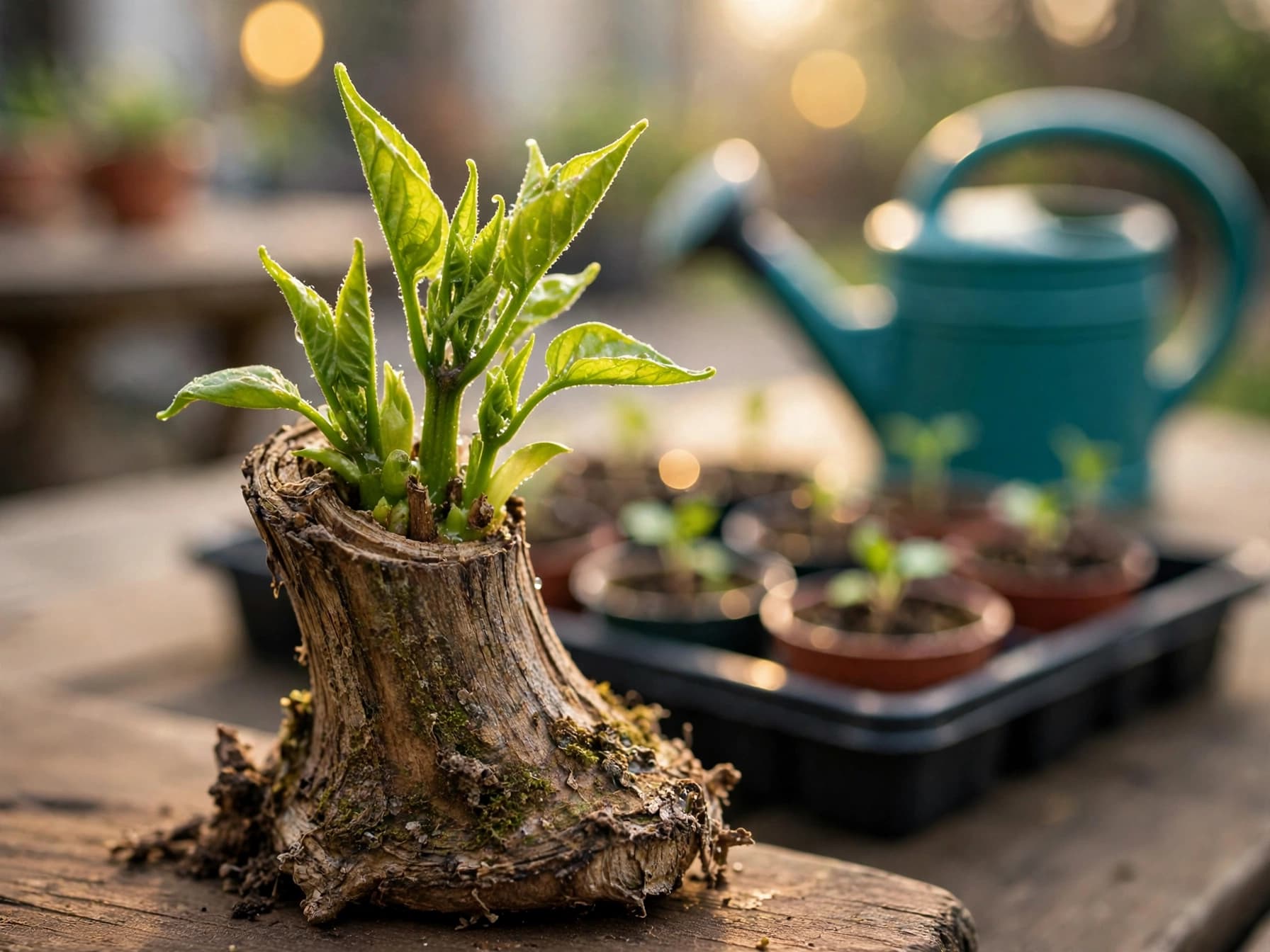
Harden off approximately two weeks prior to the last frost. Place the pots in a shaded, sheltered area for a couple hours. After seven to 10 days, add more time and more sun. Do not plant outside until night lows are above 55°F, and freshen the potting soil, begin feeding again, and pinching the first flowering flush if the plant seems tired.
References:
- Perennial habit in USDA zones 10–11: USDA Agricultural Research Service and Oregon State University PRISM Climate Group, USDA Plant Hardiness Zone Map.
- Tropical origin, frost damage at 32°F, growth stalling below ~55°F, chilling injury and leaf drop: university extension services, e.g., Clemson Cooperative Extension Home & Garden Information Center and University of Minnesota Extension.
- First frost dates and regional move-inside windows: NOAA National Centers for Environmental Information, frost/freeze and climate normals data, combined with the USDA Plant Hardiness Zone Map.
- Pest identification and insecticidal soap schedule: University of California Statewide Integrated Pest Management Program.
- Prices (insecticidal soap, potting mix, grow lights, thermometers, specialty pepper starts): typical published prices at major U.S. retailers (e.g., Home Depot, Lowe's, Walmart, Amazon).
Conclusion: Your Peppers Aren't Done Yet
The plant doesn't end the growing season, it's the frost. If you cut it back, watch for pests and place it at a bright window or cool dark corner, you may have an earlier harvest this coming summer. Next up on the reading list: our next post on how to move houseplants indoors to enjoy the winter.
Frequently Asked Questions
How to overwinter pepper plants without a grow light?
When to bring pepper plants indoors if a frost is coming?
Are pepper plants perennials or annuals?
Do overwintered peppers produce more fruit than new plants?
What temperature is too cold for pepper plants?
How long can a pepper plant live indoors?
About Philemon John
Philemon John is the Lead Author of Broad Gardening and has more than 10 years of experience growing and caring for plants in the backyard. He is particularly passionate about vegetable gardening, soil building and pest management and offers real-life advice and tips to support home gardeners.