Comprehensive Topic PillarPeer Reviewed & Soil Tested

The Ultimate Vegetable Gardening Masterclass: From Seed to Bountiful Harvest

Cultivating your own vegetables provides fresh, nutrient-dense produce while reconnecting you with the natural cycles of growth. Whether you are working with an expansive backyard, raised cedar beds, or a compact patio container setup, mastering soil preparation, succession planting, and seasonal timing will ensure a prolific harvest all season long.

Philemon John profile

Lead Author & Cultivator: Philemon John

10+ Years Backyard Experience

Lush organic home vegetable garden with raised beds and fresh produce

Core Principles & Golden Rules

Prioritize soil biology: Mix 2–3 inches of mature compost into your growing beds each spring before sowing.

Sunlight is non-negotiable: Fruiting vegetables (tomatoes, peppers, squash) demand a strict 6–8 hours of unfiltered sunlight daily.

Practice deep, infrequent watering: Soak the root zone with 1–1.5 inches of water weekly rather than light daily sprinkling.

Rotate crop families annually: Never plant nightshades or brassicas in the exact same soil two years in succession.

Key Focus Areas & Topic Branches

Explore how this overarching pillar topic breaks down into specific practical gardening workflows.

Foundational

Seed Starting & Soil Preparation

Creating the ideal seed-starting mix, germination temperatures, and building nutrient-rich loam.

Eco-Friendly

Companion Planting Strategies

Pairing plants like basil and tomatoes or marigolds and brassicas to deter pests and boost vigor.

High Yield

Succession & Square-Foot Gardening

Maximizing small footprints by staggering plantings for continuous spring, summer, and autumn yields.

Troubleshooting

Troubleshooting & Harvest Timing

Recognizing peak ripeness and managing blossom end rot, powdery mildew, and nutrient deficiencies.

Comprehensive In-Depth Guide

1. Site Selection and Solar Orientation

Every thriving vegetable garden begins with careful solar mapping. Most edible crops are grouped into three sunlight categories: heavy sun lovers (tomatoes, peppers, eggplants, squash, and melons) that require at least 6 to 8 hours of direct sunshine; moderate light crops (root vegetables such as carrots, beets, and radishes) that tolerate 4 to 6 hours; and leafy greens (spinach, kale, arugula, and Swiss chard) that flourish in partial shade or morning sun.

A garden that receives optimal morning light dries quickly from nocturnal dew, slashing the risk of fungal pathogens like early blight and powdery mildew by more than half.

2. Soil Health: The Cornerstone of Nutrition

Healthy plants originate in biologically active soil. Instead of relying on synthetic granular fertilizers that degrade soil microbiology over time, invest in organic matter. Top-dress your beds with screened worm castings, aged dairy manure, and well-aerated leaf mold. Aim for a soil pH between 6.2 and 6.8 for maximum nutrient bioavailability.

3. Strategic Watering & Deep Root Development

Shallow daily sprinkling produces weak root systems that bake in mid-summer heatwaves. Always water at ground level using drip irrigation lines or a soaker hose beneath a 2-inch layer of clean straw or shredded wood mulch. This preserves soil moisture, eliminates evaporation losses, and prevents soil-borne bacteria from splashing onto foliage.

Topic Cluster Library

In-Depth Articles & Tutorials

Dive deeper into specific plant profiles, step-by-step troubleshooting, and specialized guides in Vegetable Gardening.

October 13, 2026•11 min read

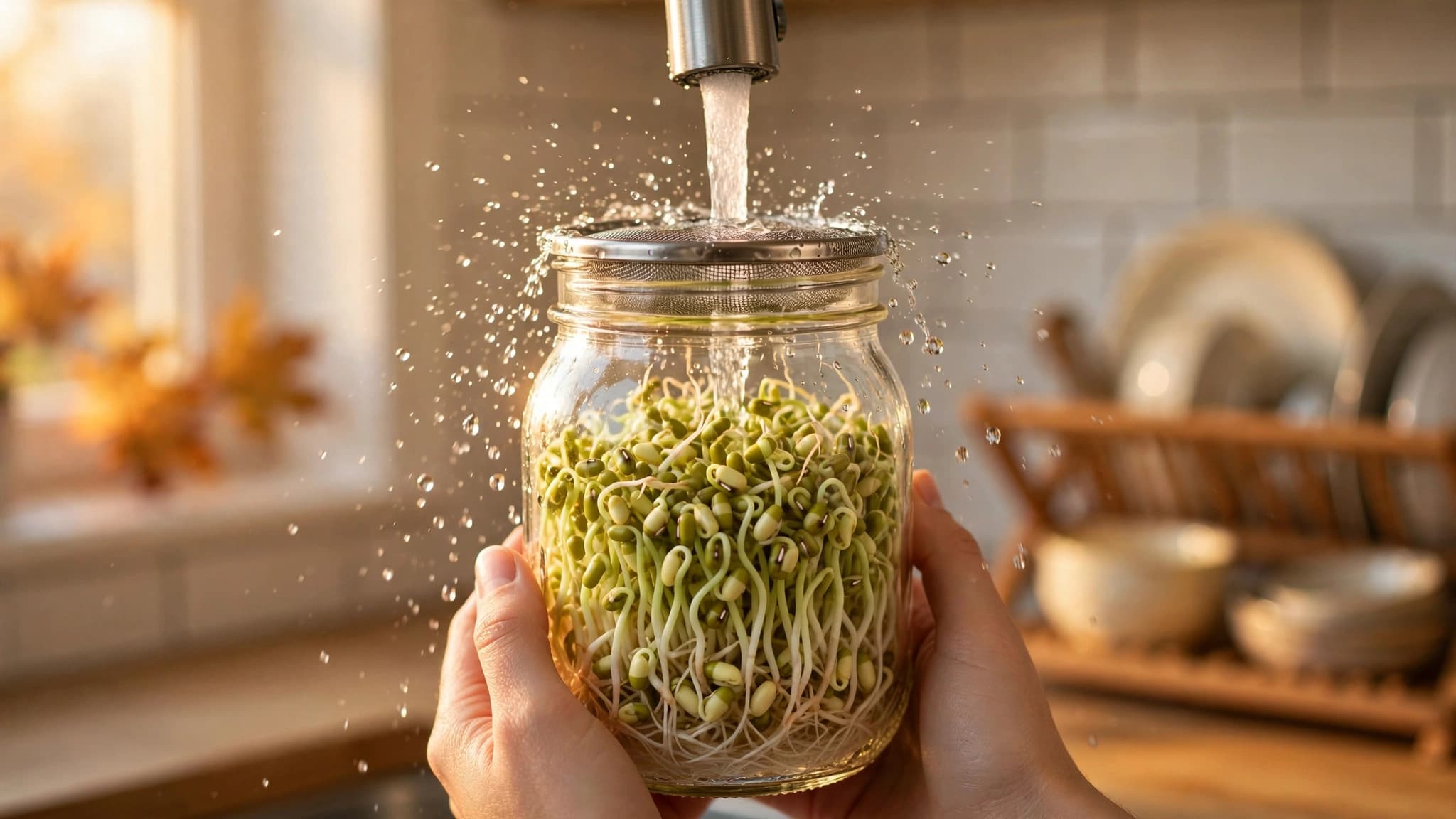
How to Grow Sprouts Safely at Home After the 2026 Recall

Raw sprouts are a higher-risk food because the warm, damp conditions they need let bacteria multiply fast, as the 2026 alfalfa outbreak (76 illnesses across 16 states as of Oct. 1) shows. To lower your risk, buy tested sprouting seed, check it against recalled lot SAL2-24JB, treat it in 140°F hydrogen peroxide, rinse every 12 hours, and refrigerate at 40°F or below. High-risk groups, including young children, adults 65 and older, pregnant women, and the immunocompromised, should skip raw sprouts and eat them cooked until steaming hot.

By Philemon JohnRead
October 2, 2026•9 min read

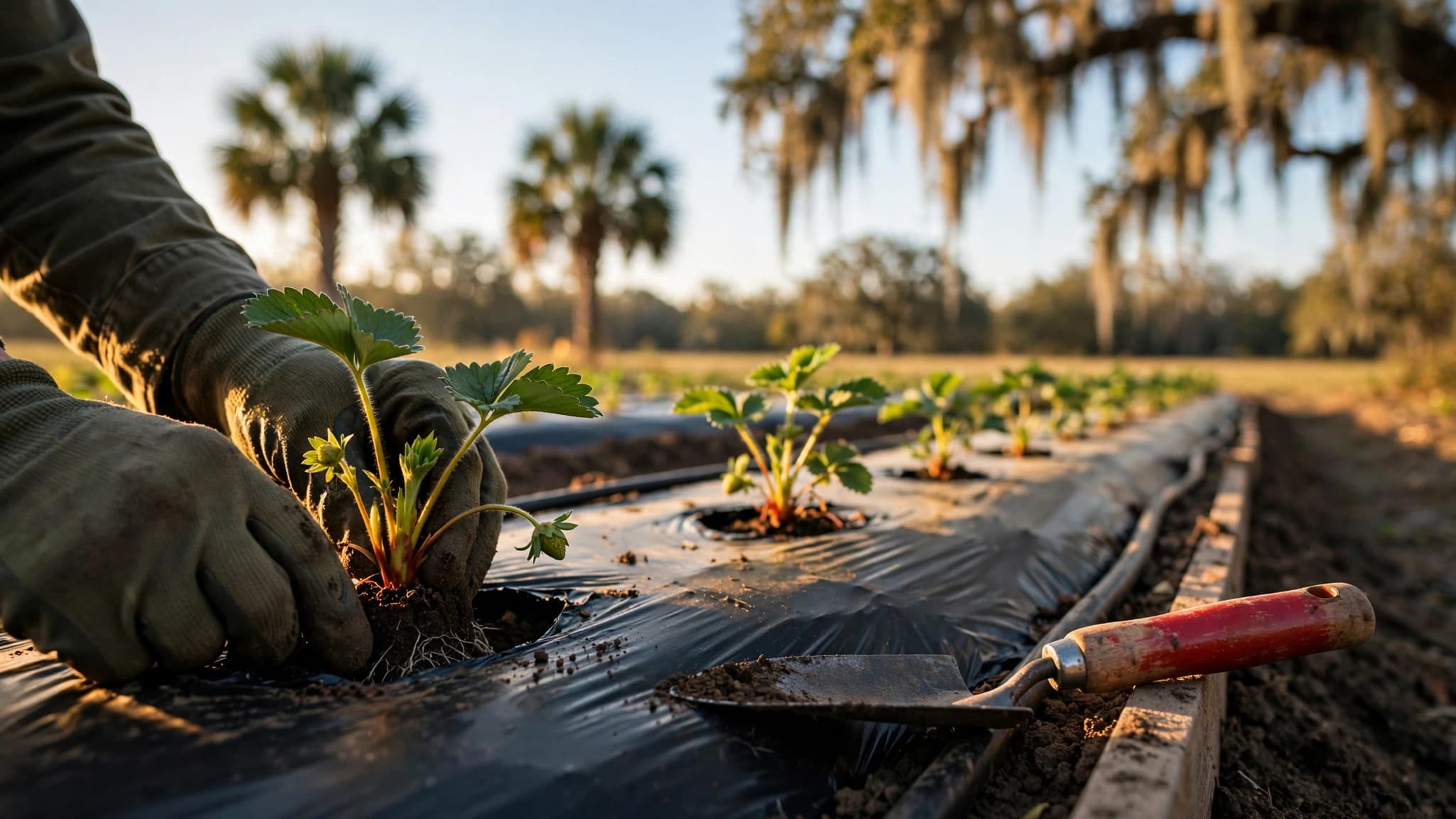
Planting Strawberries in Fall: UF-Bred Varieties to Order

Discover the best UF-bred strawberry varieties and exact fall planting windows to maximize your harvest in Central Florida. Learn the differences between bare-root transplants and plugs, proper raised-bed soil prep, and essential watering routines to get berries by late November. Protect your crop from cold snaps, common pests, and improper planting depth with this complete home gardening guide.

By Philemon JohnRead
October 1, 2026•9 min read

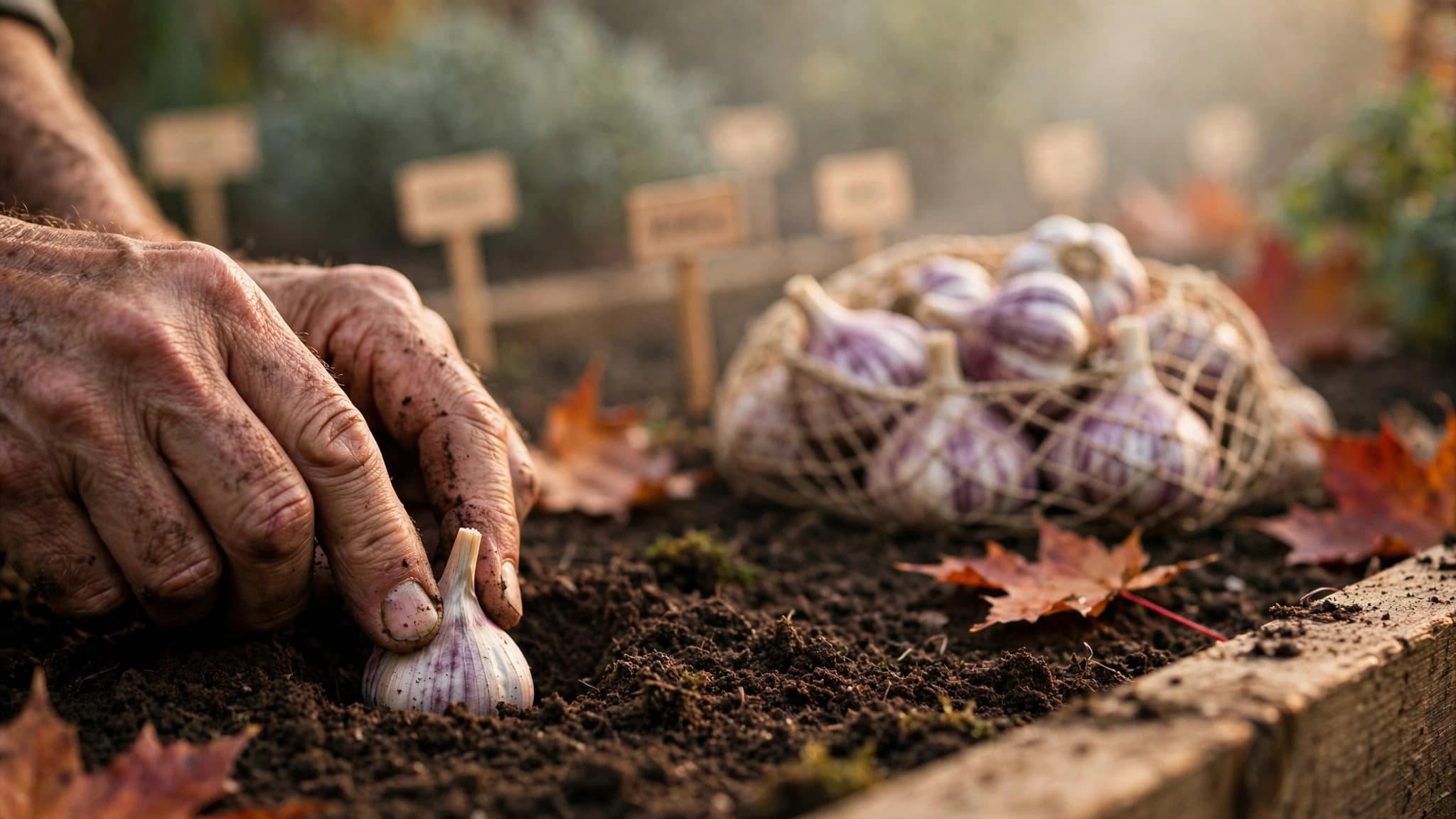
How to Plant Garlic in the Fall: Timing, Depth, Placement

Learn how to plant garlic in the fall for a massive, flavorful harvest next summer. Discover optimal regional planting timing, proper depth, and ideal clove spacing, plus how to avoid the common bed placement mistake that stunts bulb growth. Follow this step-by-step guide to soil prep, mulching, and winter protection to grow big, healthy garlic heads with ease.

By Philemon JohnRead

Frequently Asked Questions

When is the best time to start seeds indoors versus direct sowing?
Cool-season crops with delicate taproots (carrots, radishes, parsnips) should always be direct-sown outdoors as soon as the ground is workable. Warm-season nightshades (tomatoes, peppers, eggplants) should be started indoors under grow lights 6 to 8 weeks before your local average last frost date.
How do I prevent blossom end rot in tomatoes and zucchini?
Blossom end rot is caused by calcium transport failure, which is almost always triggered by inconsistent watering rather than a lack of calcium in the soil. Maintain consistent soil moisture with drip irrigation and mulch heavily to regulate root moisture.
What is the easiest vegetable for a beginner gardener to grow?
Radishes and bush beans are universally the most forgiving. Radishes mature in as few as 21 to 28 days from seed, while bush beans produce abundant weekly pods with minimal pest resistance and zero staking required.