Planting Strawberries in Fall: UF-Bred Varieties to Order
By Philemon John
Lead Author & Cultivator • Peer Reviewed & Soil Tested
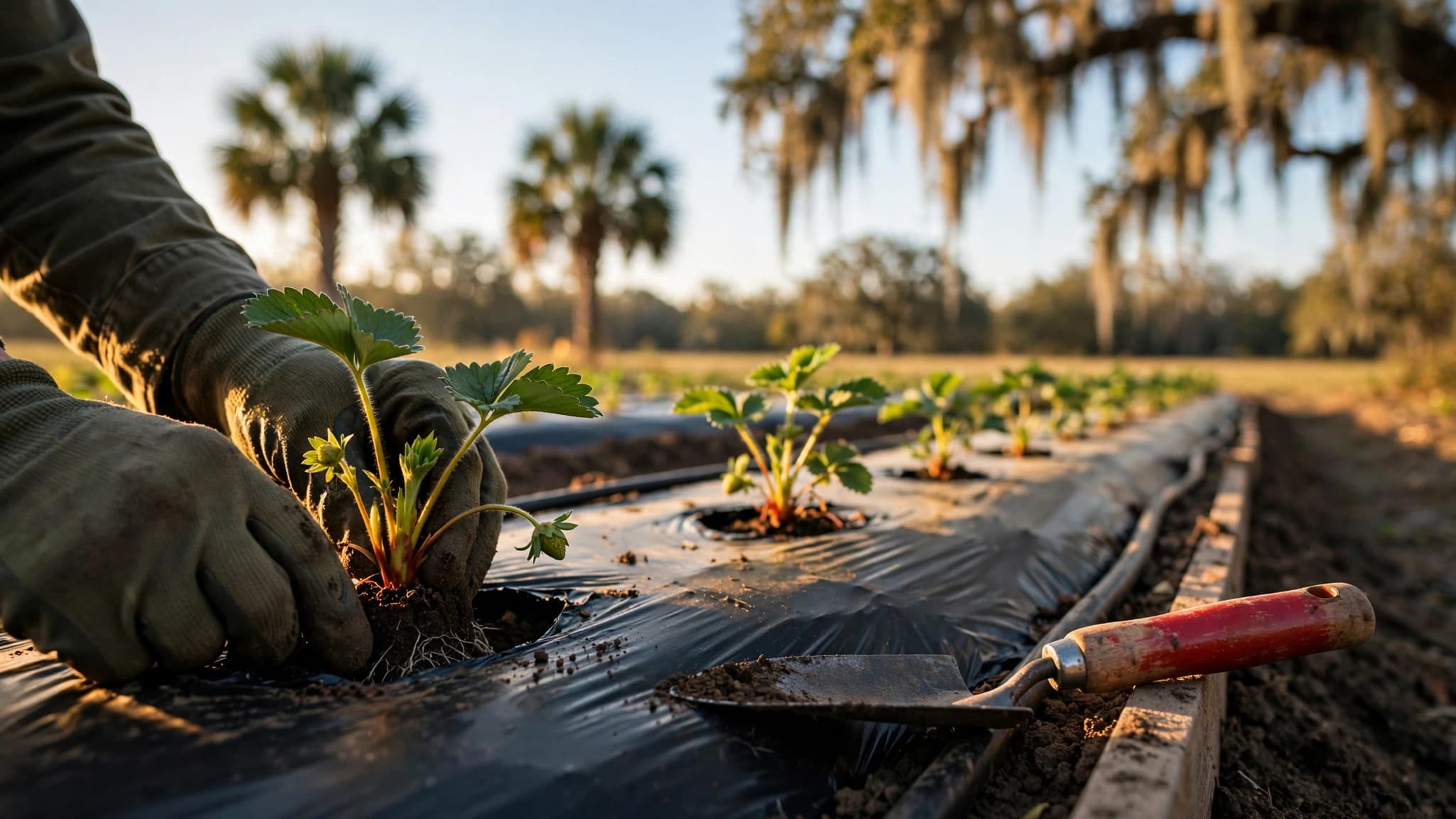
It is early October, the pumpkin patches are open, and you have three weeks or so to get strawberry plants in central Florida soil. Plant by Oct. 25 and you could be picking berries as early as late November (Source: UF/IFAS Extension). This guide will help you know the varieties of UF-bred varieties to order, the type of plant to purchase, and how to have them established before the first cold snap.
Quick answer: The Central Florida gardeners are recommended to plant in the ground between Sept. Order now 25 and Oct. 25 ( Source: UF/IFAS Gardening Solutions ). According to UF/IFAS, the following are recommended to be used in the home gardens: Florida Brilliance, Sweet Sensation (Florida127), and Camarosa (in North Florida) (Source: UF/IFAS Extension). Plant leafy bare-root plants or plugs in a raised, well-drained bed (at least eight hours of sunshine).
When to Plant Strawberries in Florida: Know Your Oct. 25 Window
Strawberries are a cool crop in Florida. When temperatures range between 50 o F to 80 o F and days last 14 hours or less, flowers and fruit develop (Source: UF/IFAS Extension). Peninsular Florida is at that sweet spot a good part of the fall, winter and spring, so plants are planted now and harvested when the heat comes back in the summer.
It will, however, depend on your location to have your deadline. These home-garden windows are provided by UF/IFAS Gardening Solutions:
| Region | Planting window |
|---|---|
| North Florida | Sept. 15–Oct. 15 |
| Central Florida | Sept. 25–Oct. 25 |
| South Florida | Oct. 1–Dec. 1 |
(Source: UF/IFAS Gardening Solutions)
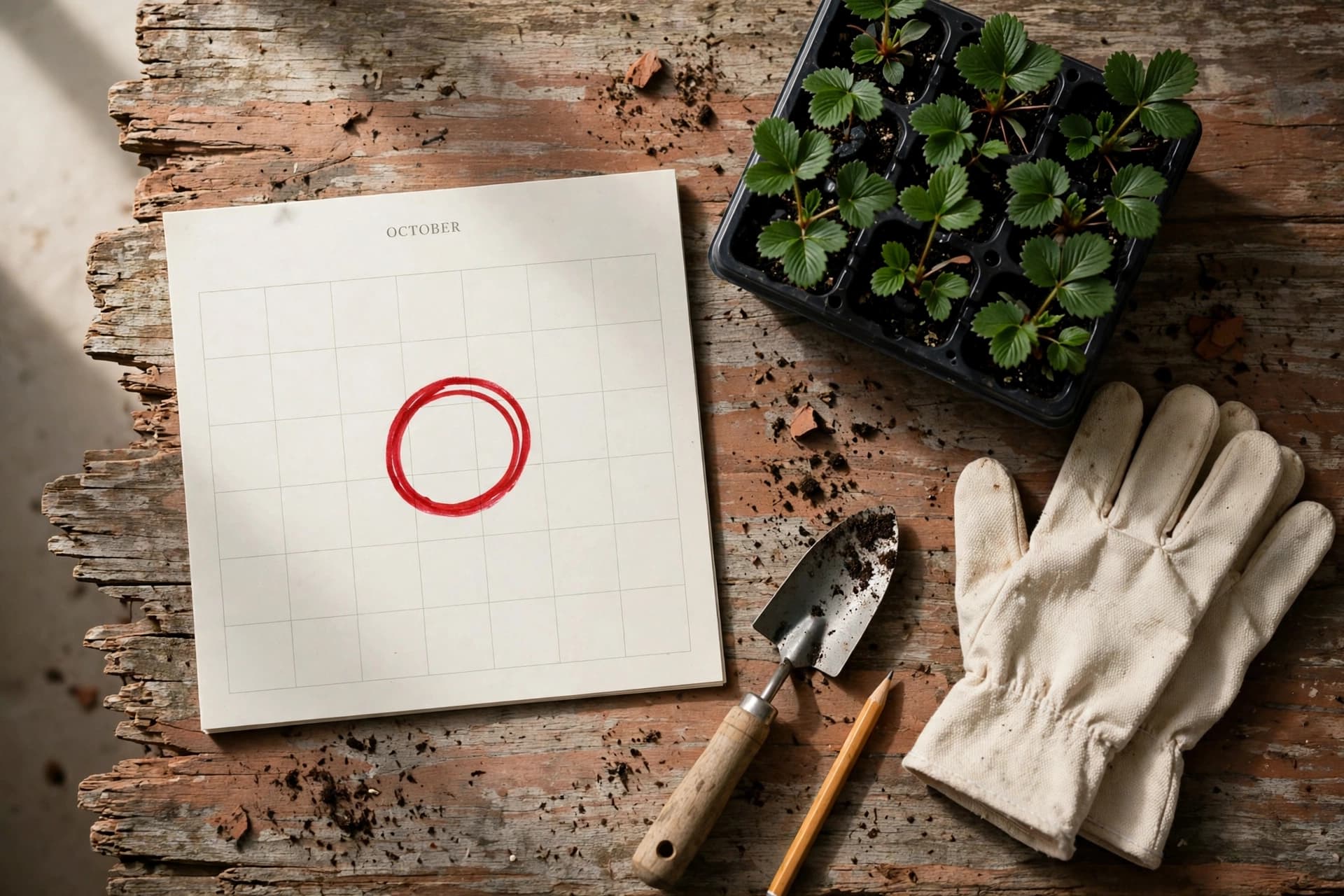
The commercial handbook of the university has a bit narrower dates of the north (Sept.) 20–Oct. 15) and south (Oct. 1–Nov. 1) (Source: UF/IFAS Extension). In case you are not sure, call your county Extension office to make sure.
Timing determines your harvest, as well. Central and west-central Florida plants planted in mid- to late-October usually begin to produce in late November or December (Source: UF/IFAS News). Another tip by UF/IFAS breeder Vance Whitaker is to adjust your schedule to local commercial growers (Source: UF/IFAS News).
Hit the window, and roots have a precedence before flowering begins in November. Missing it, plants have less time to get established. To get further assistance with the calendar, peruse our seasonal gardening manuals.
Florida Strawberry Varieties Bred by UF/IFAS: What to Order
Not genetic engineering, the UF/IFAS Gulf Coast Research and Education Center develops cultivars to the Florida berry industry with the use of traditional breeding. In west-central Florida, more than 11,000 acres is focused on commercial production (Source: UF/IFAS Gardening Solutions). Home gardeners use very similar cultivars to those used by farms (Source: UF/IFAS News).
The Home-Garden Picks UF/IFAS Recommends
The home-garden fact sheet created by UF/IFAS identifies three cultivars ( Source: UF/IFAS Extension):
- Florida Brilliance: Early-bearing, having firm, glossy, medium-sized berries and balanced flavor. The erect plant has long stems which facilitate picking.
- Sweet Sensation 127 Florida127: Large berries with exceptional flavor, approximately 1-1.5 degrees Brix (sugar measure) higher than Florida Brilliance. It is also robust hence last to grow to maintain compactness of plants and the fruit is also susceptible to rain.
- Camarosa: Not a UF release, but the most fruitful to grow in North Florida gardens.
Each of the three will produce 1-2 pints per plant through the season (Source: UF/IFAS Extension).
Newer UF Releases Worth Asking About
The commercial handbook of UF/IFAS illustrates some of the newer cultivars (Source: UF/IFAS Extension). Garden centers have some availability, so enquire with your nursery what it can provide.
The following table is a list of planting dates in central Florida listed in order:
| Cultivar | Standout traits | Central Florida dates |
|---|---|---|
| Florida Medallion™ | Uniform, glossy berries with high sugar; compact plant that needs extra nitrogen | Oct. 1–10 |
| Florida Ember™ | Bright red, low-acid, high-sugar fruit; least prone to Pestalotia disease among UF releases; strong organic pick | Oct. 1–10 |
| 'Florida Brilliance' | Heavy early yield; firm, glossy fruit; balanced flavor | Oct. 5–15 |
| Florida Pearl® '66' | White "pineberry" with red seeds and a pink blush when ripe | Oct. 10–20 |
| Florida Encore™ | Large, glossy, very firm berries with long shelf life; vigorous plant | Oct. 12–22 |
| Sweet Sensation® 'Florida127' | Large, exceptionally flavorful fruit; vigorous plant | Oct. 15–25 |
(Source: UF/IFAS Extension)
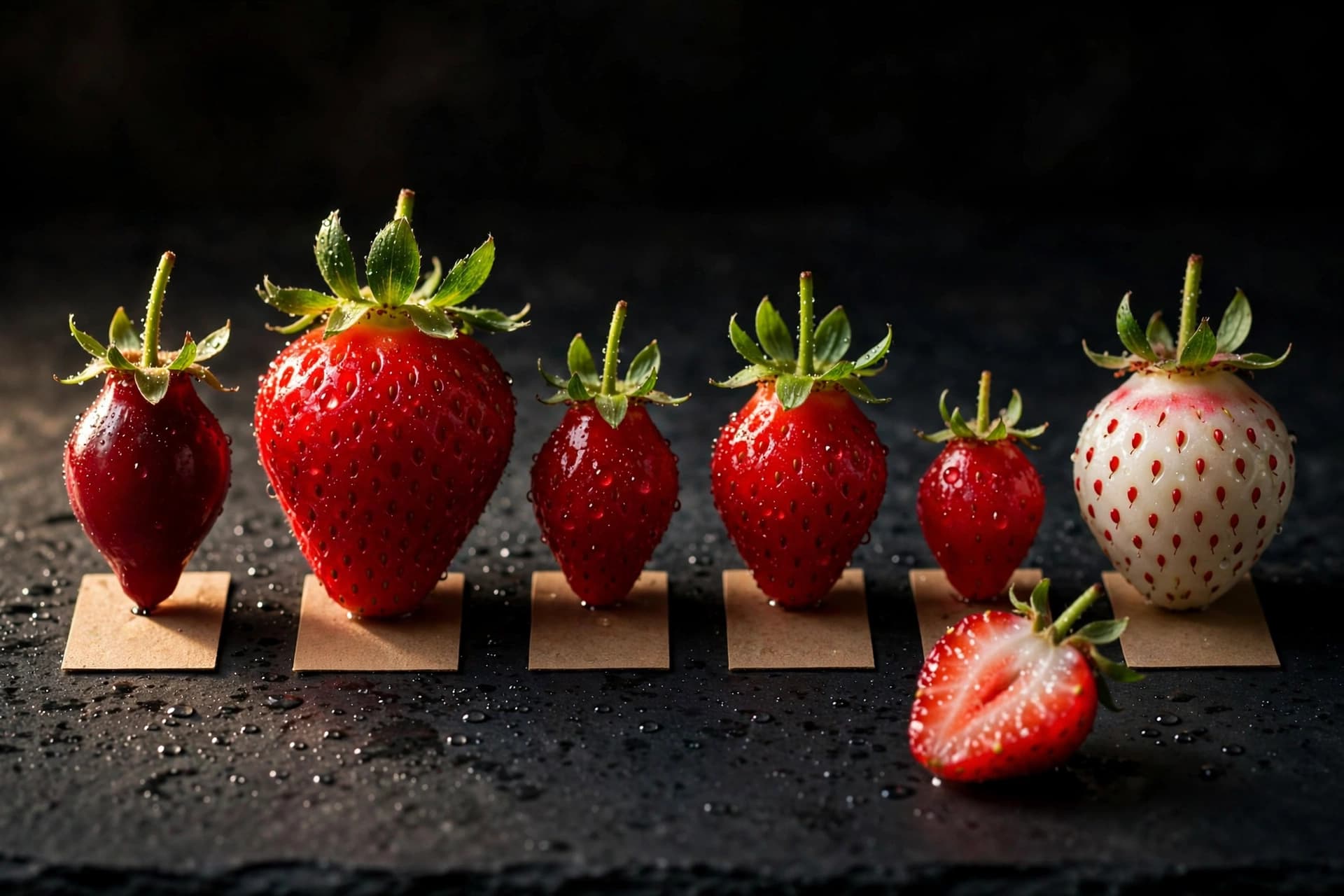
Take notice how the dates stagger. Small plants such as Florida Medallion are planted first, the strong ones such as Sweet Sensation are planted last in order to contain the size of the plant. The first windows are open today, the 1st. of October and the last window is closed the 25th. of October, so get your plants ordered now and they will arrive in the window you want.
Best Strawberry Varieties for Warm Climates Beyond Florida
Not a Floridian? The same reasoning then follows, but do not think a UF breed cultivar will act in the same way in your backyard.
Berries require short cool days to make flowers and fruit. In the rest of the country, they only appear in short periods, either in late summer or early fall and once more in spring. The exceptions are Peninsular Florida and the mild coastal regions of south and central California (Source: UF/IFAS Extension).
The cultivars of UF were created to meet the needs of Florida berries (Source: UF/IFAS Gardening Solutions). Use them as a point of departure in other places, not a guarantee. To have your order, please check this brief checklist before ordering:
- Find your zone on the USDA Plant Hardiness Zone Map to find average low temperatures in winter.
- Inquire at your state land-grant Extension service about the variety of cultivars and the planting dates it suggests.
- Call a local grower or nursery and inquire about what grows well there.
- Begin on a small scale, with two or three plants of a variety, and then proceed to fill a complete bed.
Autumn can be used by gardeners in colder areas on other crops. Our guide to planting garlic in the fall is a good place to start.
Bare Root vs Plug Strawberry Plants: Which Should You Buy?
The most common transplants being sold are bare-root and they might/might not have leaves when you purchase them. The other option is in the form of plugs, which are available in trays or in small pots (Source: UF/IFAS Extension).
| Factor | Leafy bare-root | Plug |
|---|---|---|
| Roots at planting | Bare, no soil | Intact root ball |
| Watering after planting | Frequent sprinkling, about 10 a.m. to 5 p.m., for 1–2 weeks | Very little sprinkler irrigation |
| Best for | Gardeners who can water often and want early fruit | Busy or first-time gardeners |
(Source: UF/IFAS Extension)
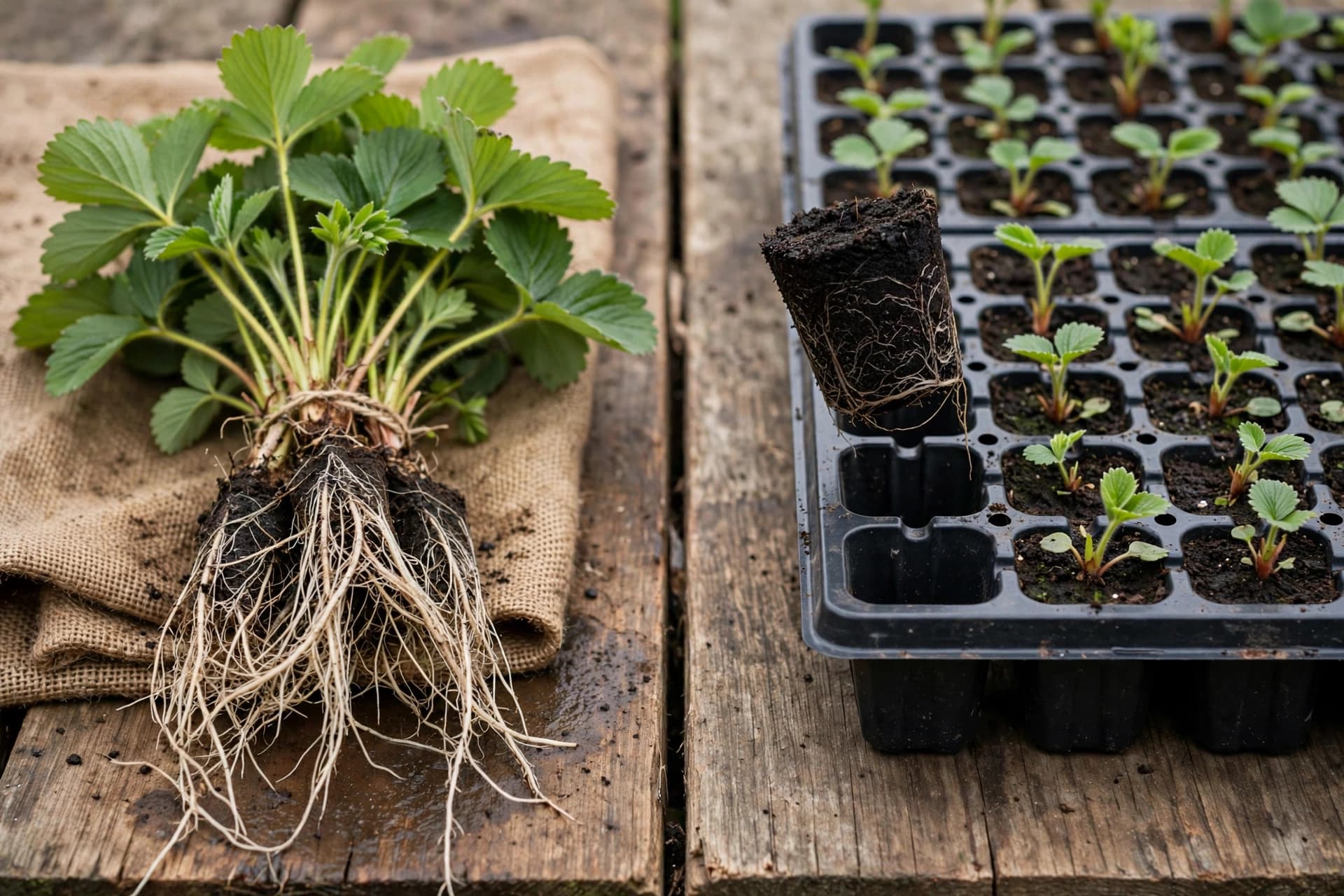
The plants (bare-root leafy) tend to bear more early-season fruit compared to leafless plants. Without such additional watering, they dry up, however. Less babysitting is required of plugs since their roots are retained.
Either way, crown level with the soil surface, not buried or with roots exposed (Source: UF/IFAS Extension). Shop in a good nursery, as well. Beginning with plants that have no root diseases, spider mites and nematodes will save you a tremendous amount of headache in the future (Source: UF/IFAS Extension). When plants are received before your bed is prepared, have the roots damp and not under the sun.
How to Grow Strawberries in Florida: Bed, Water and Feeding
Great beds are needed by great plants. This arrangement is based on UF/IFAS home-garden instructions.
Pick a Sunny, Well-Drained Site
The berries require at least eight hours of direct sunshine, or a location that remains in the sun in the morning and the early afternoon. The soil must have good drainage and be moderately acidic with pH of between 5.5 and 6.5. Raised beds prevent drowning of roots in heavy rain and weed is cut and fruit is kept cleaner with black plastic mulch (Source: UF/IFAS Extension).
No room for beds? Planter boxes, strawberry pots, barrels do as well. Rotate your site as well. Avoid skip spots that had had berries in the previous two to three years or those that had had tomatoes, potatoes, or eggplant (Source: UF/IFAS Extension).
Space and Set Plants Correctly
The plants 10-18 inches spacing (Source: UF/IFAS Gardening Solutions). Plant each transplant in a cut in the mulch. Have the crown at ground level.
Water and Feed
Pre-planting Prepare the 10-5-10 fertilizers with micronutrients, such as boron, and work 2 lbs of the fertilizer into 10 feet of bed. Approximately half the nitrogen is to be slow-release (Source: UF/IFAS Extension). Since you are going to eat the fruit read the label and select a fertilizer without sewage sludge.
Plants in water will frequently be transplanted until they cease to wilt in the heat of the day. Then alternate between drip tape or soaker hoses. At first a week of watering can suffice. Afterwards, when plants are bigger and the weather is warmer, two or three per week are to be expected (Source: UF/IFAS Extension).
Winter Care: Freeze Protection, Pests and Harvest.
Freeze Protection
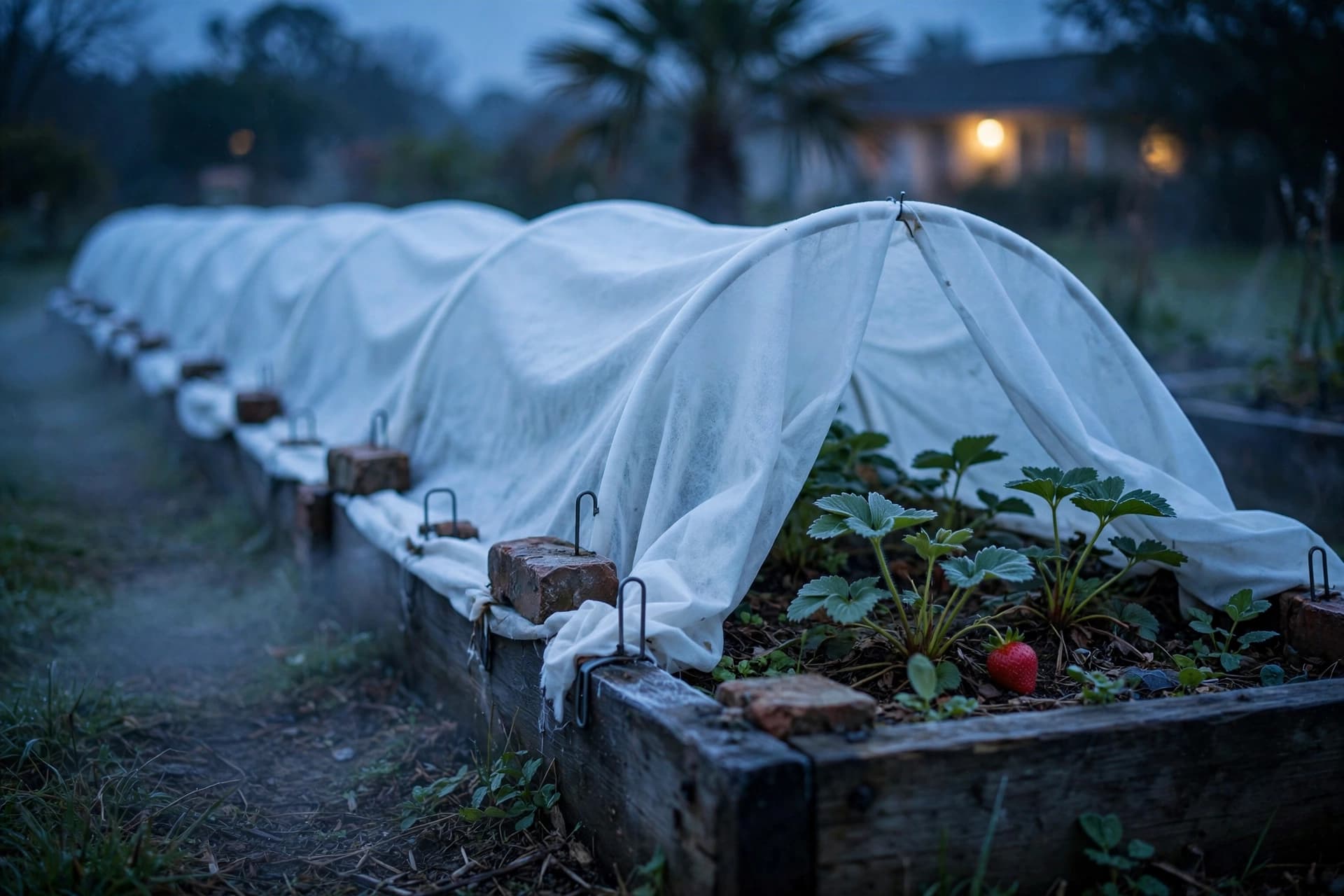
When the air temperatures drop to below 32F, blossoms and fruit may be damaged, and the leaves and crowns adjusted to cool weather typically endure, unless the temperatures drop into the low 20s (Source: UF/IFAS Extension). Put sheets or blankets over the cover plants or have frost cloths over them the afternoon before a freeze, and pin them down at all sides so that the wind cannot blow them away. The remainder of your cold-snap preparation is included in our frost-protection checklist.
Pest Patrol
Crowns, leaves and young flowers are usually chewed by caterpillars in October and November. Bt or neem (azadirachtin) normally deals with small ones and in a small patch, you just pick them by hand (Source: UF/IFAS Extension). Armyworms are among the usual suspects, so see our guide to fall armyworms.
Insects are not generally a major problem as compared to spider mites. Begin to look in early December when there may be tiny yellow stipples on the tops of leaves, and look under them with a hand lens. If mites show up on 5 percent or more of leaflets, treat with neem, insecticidal soap, or mineral oil, repeating two or three times about 5 to 7 days apart (Source: UF/IFAS Extension).
Many beneficial insects are killed by pyrethroid sprays, such as lacewings and tiny pirate bugs which keep pests at bay (Source: UF/IFAS Extension). Ripe fruit is sought by the robins and cedar waxwings, but small areas are safeguarded by bird netting.
Three-Quarter Red Harvest.
Harvest when 3/4s of the surface of the berry is red. Check plants 2-4 times a month, since fruit falls out of condition shortly after becoming fully red. Gently twist each berry and refrigerate or freeze remaining berries that you will not consume immediately (Source: UF/IFAS Extension).
What is your Next Action: Order, Plant and Protect.
The deadline is real (25 Oct.), and easy to achieve. Select a UF-grown cultivar, based on your planting date, select leafy bare-root plants or plugs, and plant them in a raised bed in the sun. then have frost cloth in case of cold nights. Fall to-do list: Ready? Explore our fall vegetable plans to make this weekend project into a complete winter garden plan.
References:
- UF/IFAS Gardening Solutions: "Strawberries." University of Florida Institute of Food and Agricultural Sciences.
- Whitaker, V. M., Peres, N. A., Lahiri, S., Park-Brown, S., and Chandler, C. K. "Growing Strawberries in the Florida Home Garden." UF/IFAS Extension, EDIS publication HS1154/HS403 (minor revision 2025).
- Whitaker, V. M., Boyd, N. S., Peres, N. A., Desaeger, J., Lahiri, S., and Agehara, S. "Chapter 16. Strawberry Production, Vegetable Production Handbook of Florida." UF/IFAS Extension, EDIS publication HS736/CV134 (updated August 2026).
- UF/IFAS News: "Fall: A time to grow and eat your own strawberries at home." Sept. 29, 2021.
Frequently Asked Questions
Is it too late for planting strawberries in fall after Oct. 25?
When to plant strawberries in Florida?
Which Florida strawberry varieties are best for home gardens?
Bare root vs plug strawberry plants: which is easier for beginners?
How to grow strawberries in Florida if I only have a patio?
What are the best strawberry varieties for warm climates outside Florida?
About Philemon John
Philemon John is the Lead Author of Broad Gardening and has more than 10 years of experience growing and caring for plants in the backyard. He is particularly passionate about vegetable gardening, soil building and pest management and offers real-life advice and tips to support home gardeners.