Comprehensive Topic PillarPeer Reviewed & Soil Tested

Backyard Garden Design & Sustainable Landscaping: Harmony, Flow & Structure

Thoughtful landscape design blends artistic balance with environmental function. By establishing clear circulation pathways, integrating hardscape materials, framing focal points, and curating layered plant combinations, you can turn any outdoor lot into an inviting, multi-functional outdoor living room.

Philemon John profile

Lead Author & Cultivator: Philemon John

10+ Years Backyard Experience

Beautifully landscaped backyard stone pathway surrounded by lush layered planting beds

Core Principles & Golden Rules

Establish garden rooms: Divide expansive yards into intimate functional zones (dining, vegetable harvesting, relaxation) using hedges and trellises.

Invest in generous pathways: Main garden walkways should be at least 3.5 to 4 feet wide to allow two people to comfortably stroll side by side.

Repeat color and texture: Repeating 3 to 4 core plant species throughout your landscape creates unifying harmony rather than chaotic visual clutter.

Incorporate water conservation: Use permeable gravel walkways, rain gardens, and swales to capture and retain rainwater on-site.

Key Focus Areas & Topic Branches

Explore how this overarching pillar topic breaks down into specific practical gardening workflows.

Planning

Spatial Planning & Focal Points

Sightlines, scale, visual proportion, and creating anchors like specimen trees or stone fountains.

Hardscaping

Hardscape Materials & Pathways

Dry-laid flagstone, decomposed granite, permeable pavers, and cedar arbor construction.

Small Space

Vertical Gardening & Raised Beds

Maximizing small backyard footprints with trellises, espalier fruit trees, and tiered planter boxes.

Sustainability

Rain Gardens & Ecological Drainage

Directing roof downspouts into bioretention swales planted with deep-rooted moisture-tolerant natives.

Comprehensive In-Depth Guide

1. Designing with Form, Texture, and Focal Points

Every memorable landscape guides the eye along an intentional journey. Avoid planting individual isolated specimens. Instead, create bold mass plantings that flow organically along curved bed borders. Frame key views from your living room windows with architectural shrubs, and place inviting destinations (a bench, birdbath, or firepit) at the termination of pathways.

Topic Cluster Library

In-Depth Articles & Tutorials

Dive deeper into specific plant profiles, step-by-step troubleshooting, and specialized guides in Garden Design & Landscaping.

October 15, 2026•10 min read

How to Create a Winter Interest Garden

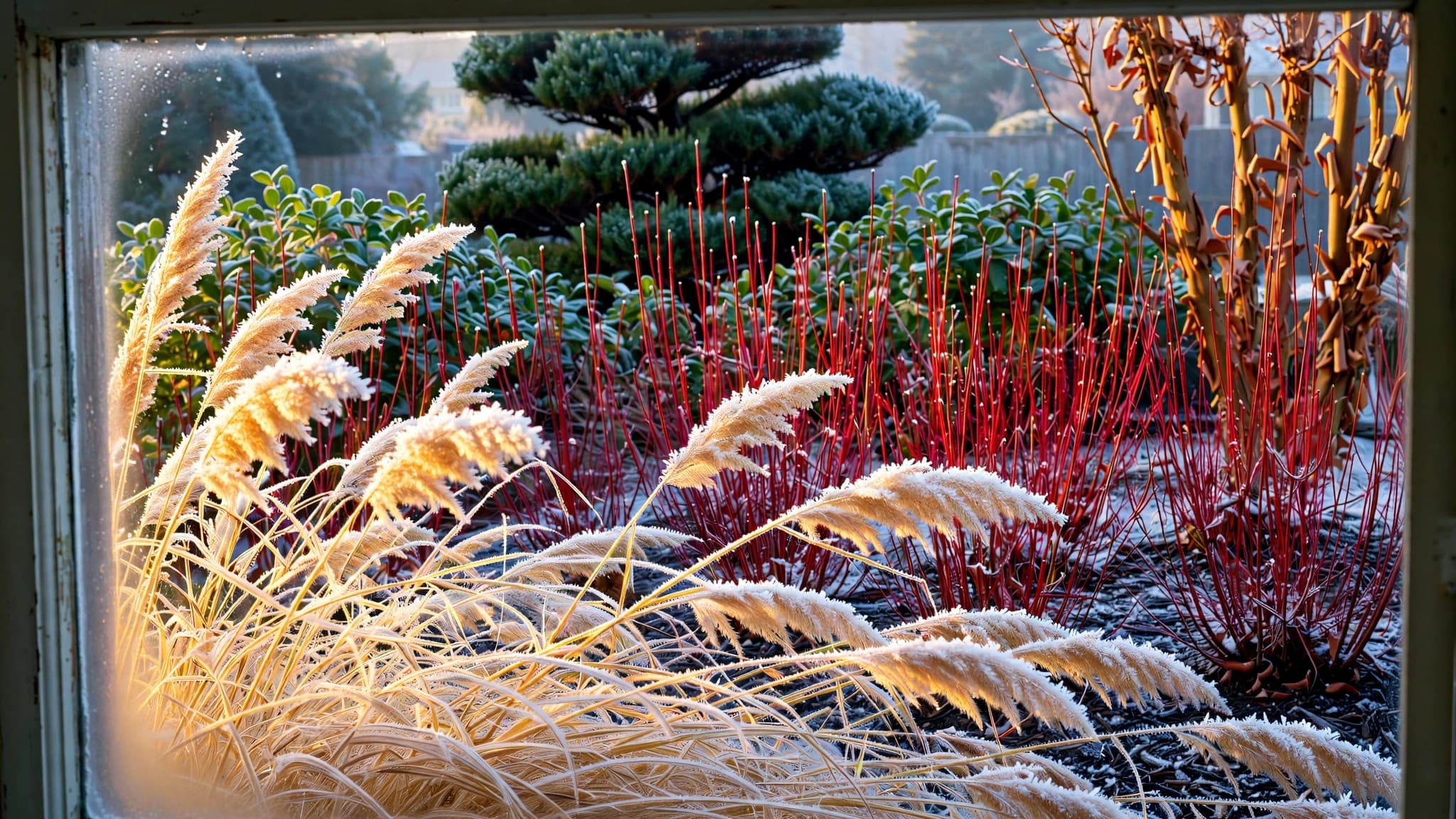
A garden that shines in the cold months is built on structure, not flowers: evergreens for bones, bark and bright stems for color, and sturdy grasses for texture. Plant in fall, group plants in odd numbers, and place the bed where a window gives you a daily view. Wait until late winter to trim so the bed keeps its shape and feeds wildlife.

By Philemon JohnRead
October 6, 2026•10 min read

Leaving Leaves in Garden Beds: 7 Tidy Ways to Do It

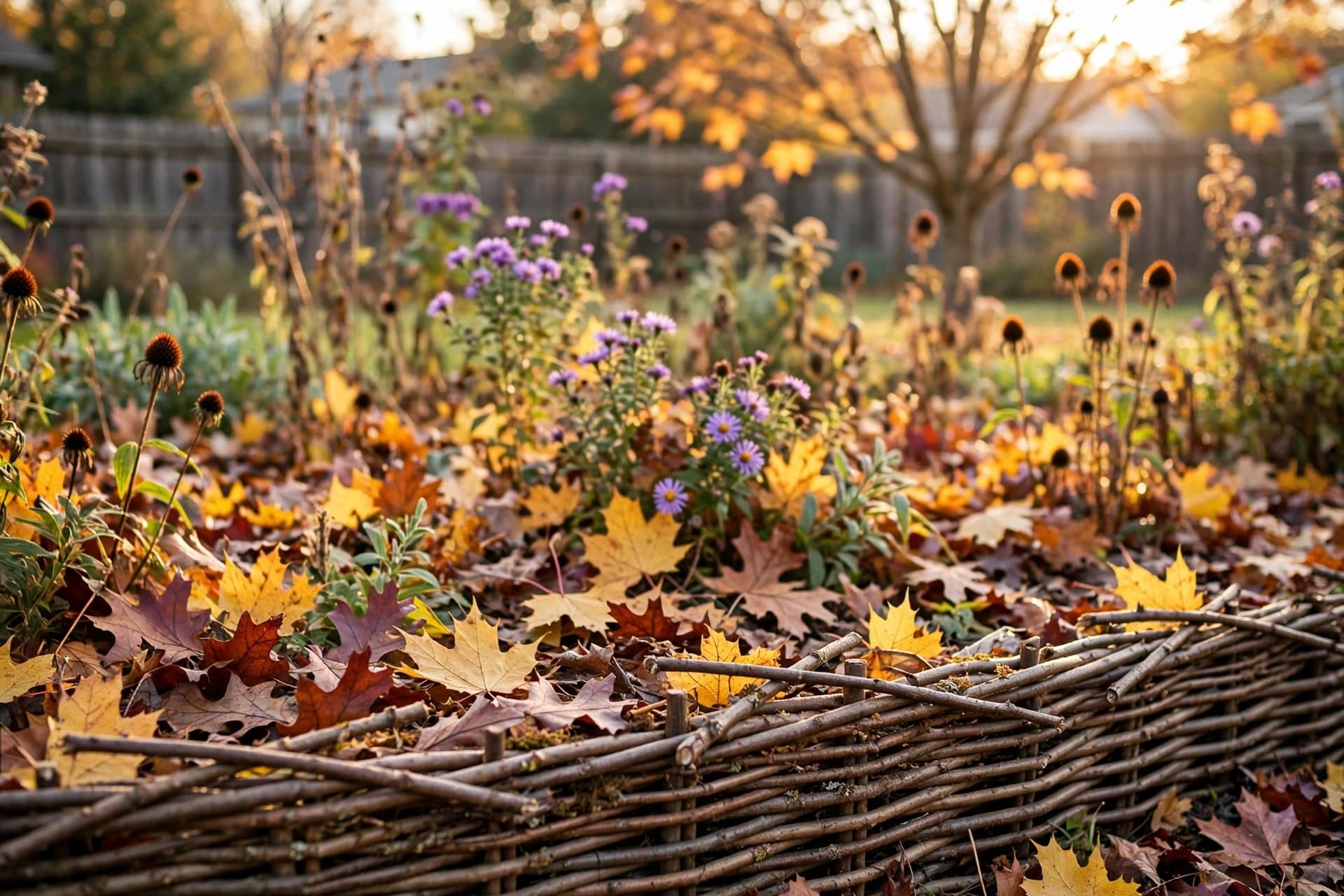
Raking whole leaves into your beds instead of bagging them gives your garden free mulch, richer soil, and winter shelter for bumble bees, moths, and other helpful insects. Keep the layer 2 to 4 inches deep, hold it in place with twigs, edging, or a low windbreak, and wait until nights stay in the 50s °F before spring cleanup. It's the easiest fall chore with the biggest payoff.

By Philemon JohnRead
September 29, 2026•9 min read

How to Plant a Pollinator Garden This Fall

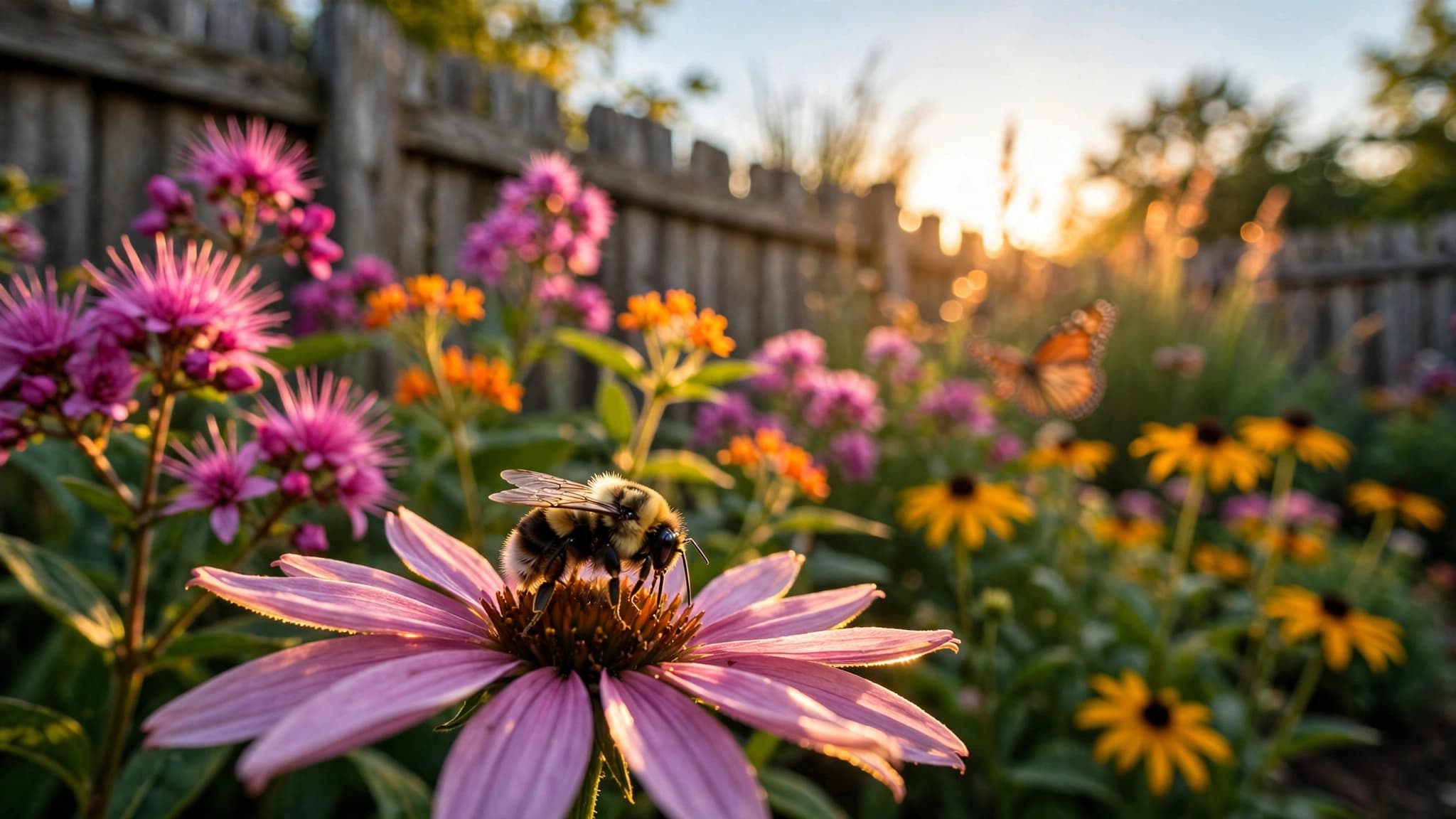
Transform a bare strip of your yard this fall into a thriving native pollinator garden with a simple, three-tiered border layout. Plant regionally native perennials like coneflowers, asters, and bergamot six weeks before the first hard freeze to establish strong roots for early spring blooms. Follow this simple one-weekend guide to create continuous, year-round flowers that feed local bees, butterflies, and beneficial insects.

By Philemon JohnRead

Frequently Asked Questions

How do I start designing a garden from scratch on an empty lawn?
Begin with functional mapping: identify where the sun shines, where water pools, and where your primary foot traffic flows. Design your hardscapes (patios, pathways, raised beds) first before selecting a single plant.