Comprehensive Topic PillarPeer Reviewed & Soil Tested

Organic Pest & Disease Management: Eco-Shield for Backyard Gardens

In a balanced ecological garden, the presence of an insect is not an automatic signal to spray harsh chemical poisons. Integrated Pest Management (IPM) focuses on prevention, physical barriers, biological controls, and cultural practices to keep pest thresholds below damaging levels while safeguarding pollinators and beneficial predators.

Philemon John profile

Lead Author & Cultivator: Philemon John

10+ Years Backyard Experience

Beneficial ladybug feeding on aphids on an organic garden leaf

Core Principles & Golden Rules

Scout your garden weekly: Inspect the undersides of leaves and growing tips early to catch infestations before they compound.

Welcome beneficial insect allies: Ladybugs, lacewings, hoverflies, and predatory wasps consume hundreds of aphids and caterpillars daily.

Employ physical barriers: Floating row covers prevent cabbage moths, flea beetles, and squash vine borers from laying eggs on host crops.

Sanitation stops disease: Immediately prune and dispose of diseased foliage; never throw infected tomato blight leaves into your compost pile.

Key Focus Areas & Topic Branches

Explore how this overarching pillar topic breaks down into specific practical gardening workflows.

Methodology

Integrated Pest Management (IPM) 101

The four-tiered pyramid: Cultural, Physical, Biological, and targeted Organic Chemical remedies.

Remedies

Organic Spray Recipes & Safe Usage

Proper application of cold-pressed neem oil, potassium bicarbonate, and Bacillus thuringiensis (Bt).

Disease

Fungal Disease Prevention

Managing powdery mildew, black spot, septoria leaf spot, and root rot through airflow and spacing.

Eco-Control

Attracting Beneficial Predators

Planting dill, fennel, sweet alyssum, and yarrow to build permanent resident insect predator populations.

Comprehensive In-Depth Guide

1. The Problem with Broad-Spectrum Pesticides

When synthetic chemical sprays are introduced, they kill indiscriminately—wiping out predatory beneficial insects alongside the pests. Because fast-reproducing pests like aphids rebound much faster than their predators, chemical spraying almost always triggers worse secondary pest outbreaks within weeks.

Topic Cluster Library

In-Depth Articles & Tutorials

Dive deeper into specific plant profiles, step-by-step troubleshooting, and specialized guides in Pest & Disease Control.

October 8, 2026•10 min read

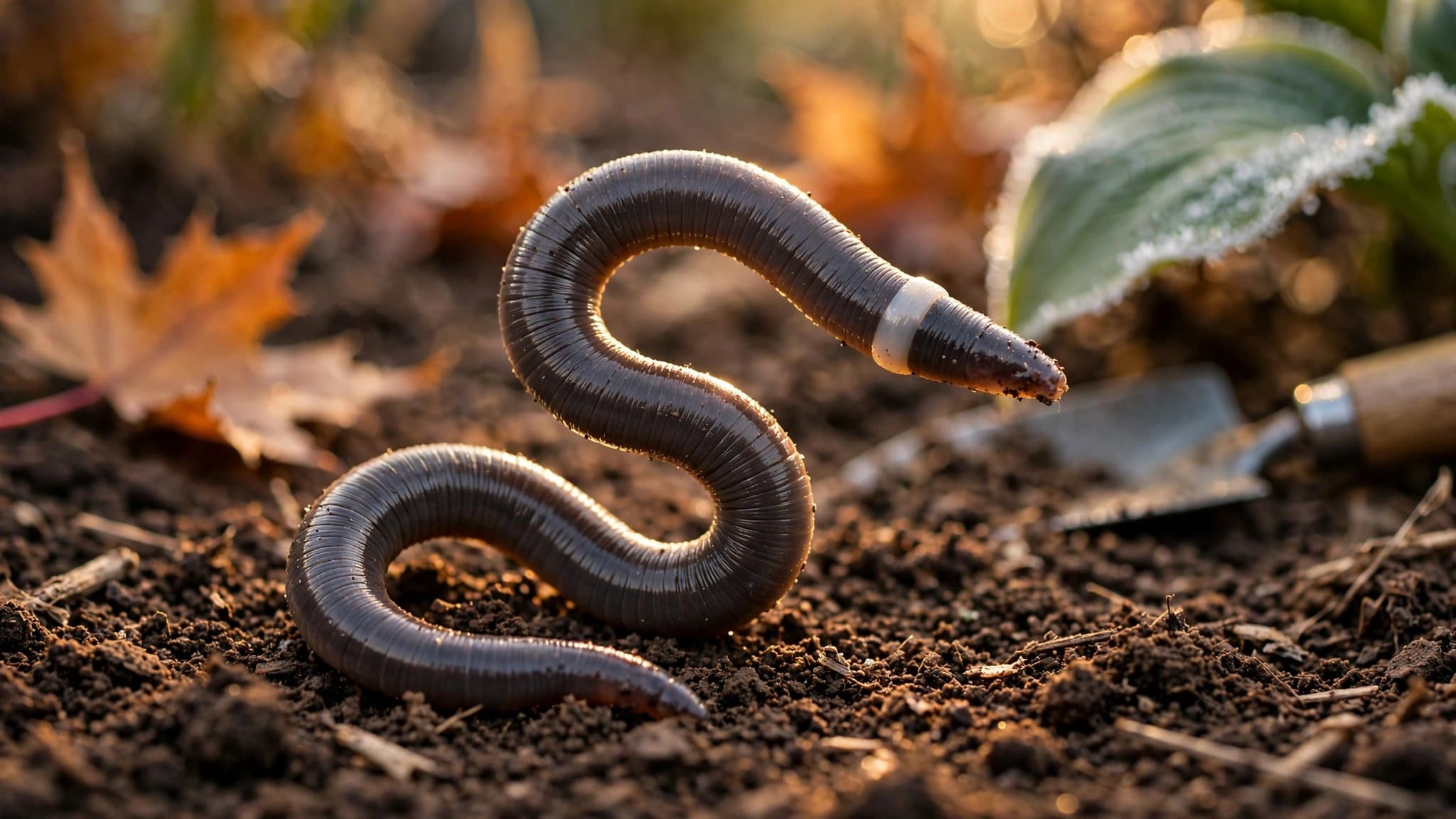
How to Get Rid of Jumping Worms Before Winter

Jumping worms are invasive Asian worms that devour mulch and topsoil nutrients, leaving dry, grainy soil that stresses hostas, ferns, and seedlings. Adults die at the first hard frost, but tiny cocoons survive winter, so fall is the time to confirm with a mustard pour, bag the adults, and heat-treat or trash infested mulch. Clean tools and avoid moving soil to prevent spread.

By Philemon JohnRead
October 5, 2026•9 min read

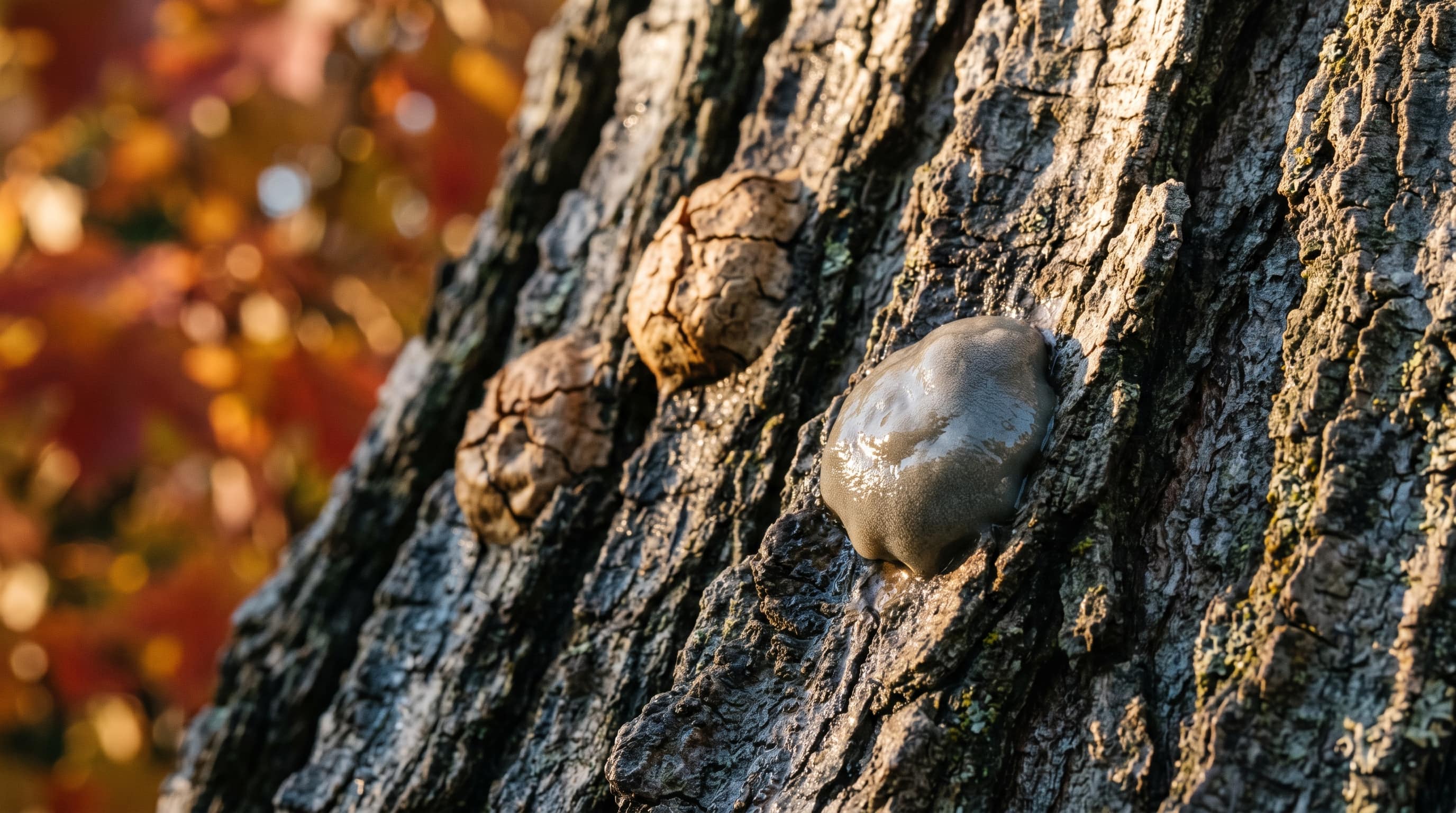
Spotted Lanternfly Egg Masses: Find and Destroy Them

Gray, mud-like clusters on trees, stone, and outdoor gear are next summer's invasion, each holding 30 to 50 eggs that survive winter even though the adults don't. Scrape them into a sealed bag of rubbing alcohol or hand sanitizer, or crush them flat, and skip ladders for the out-of-reach ones. If you find one outside a quarantine zone, photograph it and report it to your state agriculture department before destroying it.

By Philemon JohnRead
September 30, 2026•10 min read

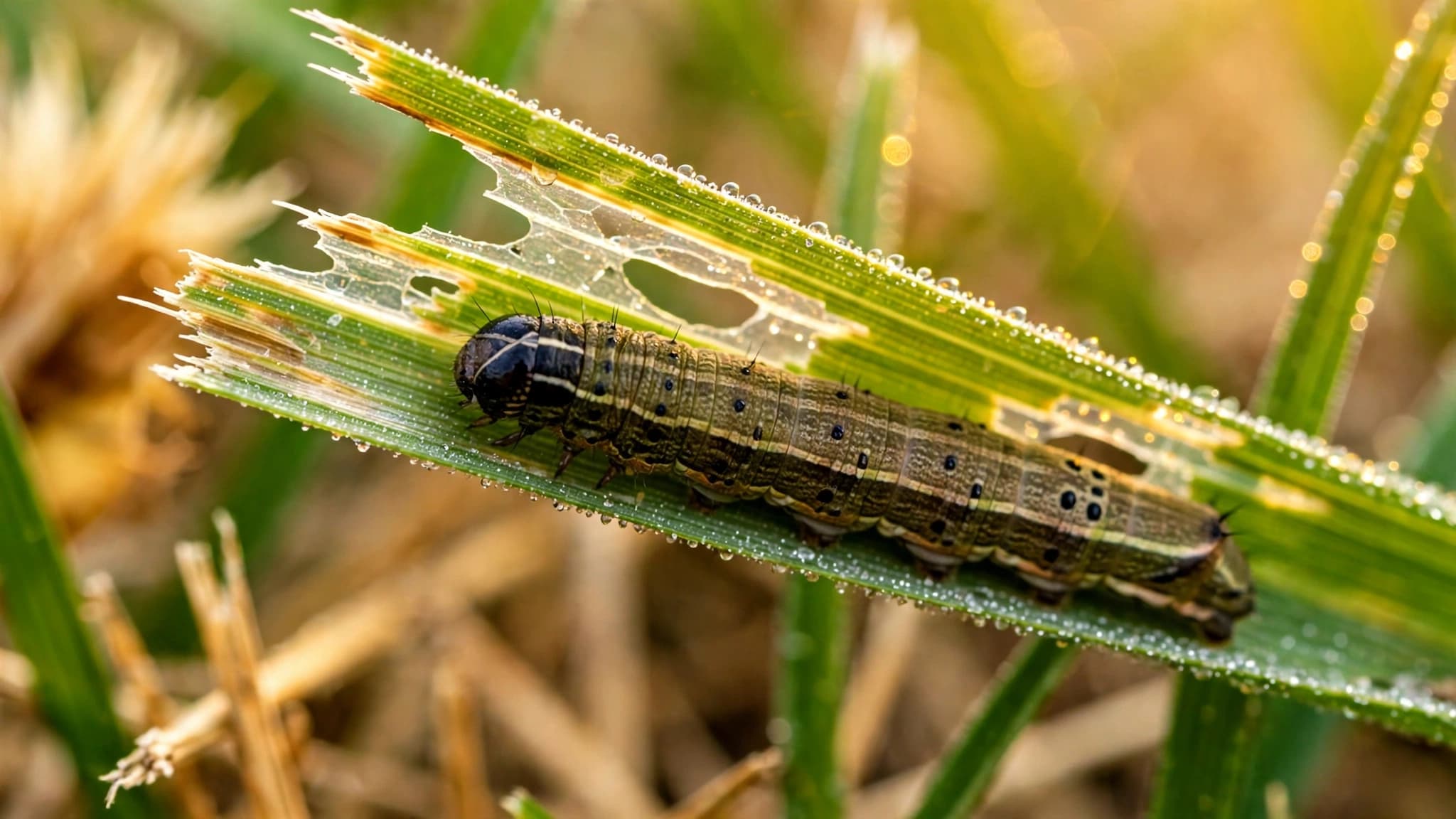
How to Get Rid of Fall Armyworms Organically

Protect your lawn and garden from fall armyworms by learning how to spot early signs and confirm infestations with a quick soap test. This guide covers effective organic treatment methods, including Bt sprays for small larvae, spinosad for larger pests, and simple hand-picking tactics. Take action at the right time to stop caterpillar damage fast and help your grass fully recover.

By Philemon JohnRead

Frequently Asked Questions

How do I get rid of aphids naturally without chemicals?
First, blast infested stems with a sharp jet of water from your garden hose to dislodge them. For stubborn clusters, spray with insecticidal soap or diluted neem oil late in the evening so it dries before pollinators visit the blooms next morning.
What is the best way to prevent tomato hornworms?
Inspect plants under a blacklight flashlight at night (they glow fluorescent green!). Handpick them off, or spray Bacillus thuringiensis (Bt), a natural soil bacterium that is fatal to caterpillars while harmless to birds, bees, and mammals.