How to Get Rid of Jumping Worms Before Winter

By Philemon John
Lead Author & Cultivator • Peer Reviewed & Soil Tested
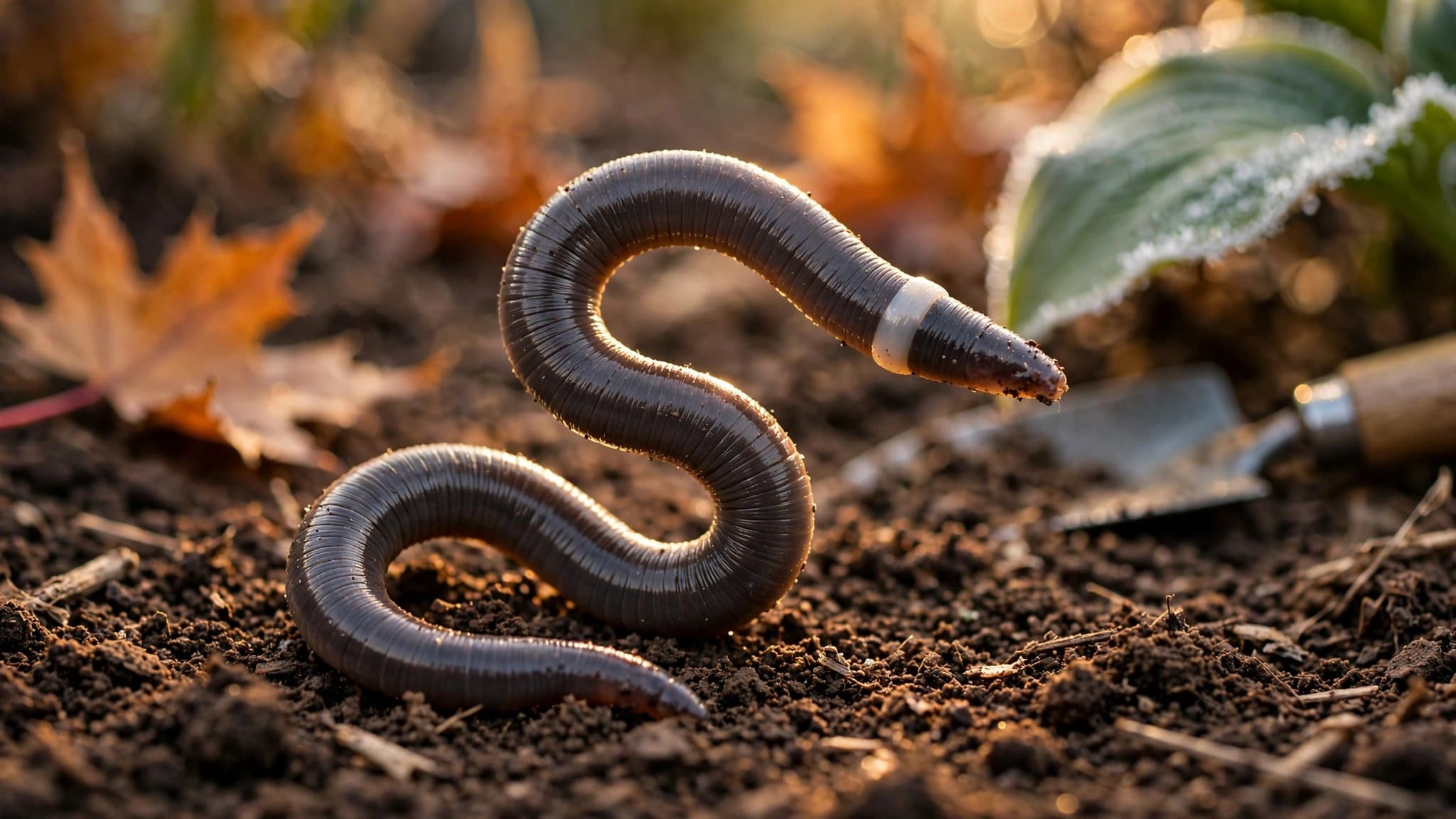
It is a brisk October Saturday and you are raking up perennial beds before the frost. Rather than fertile, moist soil, we have dry and crumbly grounds, resembling spilled coffee, and a dark worm which tosses like a snake in your glove. When it rings a bell, you are not the only one. This guide provides you with a basic fall guide to verify the invaders, get rid of their cocoons in the bushes, and cover your beds before winter.
Quick answer: There is no pesticide that can be trusted to eliminate these invasive Asian worms, therefore the solution is to disrupt their life cycle at the annual level. Adults perish at the first hard frost, but their small cocoons endure winter in mulch and topsoil, and, therefore, dig that stuff up now, and heat-treat it, or dispose of it with household waste. Then prevent the transmission by washing equipment and purchasing only tested plants and compost (Source: university extension programs).
What Do Jumping Worms Look Like?
These invaders are part of a species of Asian species, predominantly Amynthas agrestis, Amynthas tokioensis and Metaphire hilgendorfi (Source: university extension programs). They are also known as snake worms, crazy worms or Alabama jumpers by gardeners. Adults are typically 4-8 inches long and are dark gray-brown, highly glossy, almost iridescent.
The quickest tip-off is behavior. Take one and it whirls to and fro, snakes like a serpent and can even shoot off out of your hand. Normal night crawler simply wiggles.
Then, check the band. Close to the head, all around the body, there is a smooth, flat ring on the adults, which fits snugly against the skin. This ring is known as the clitellum and has a milky white to light gray color.
Check the soil then. Typical symptoms of an infestation are:
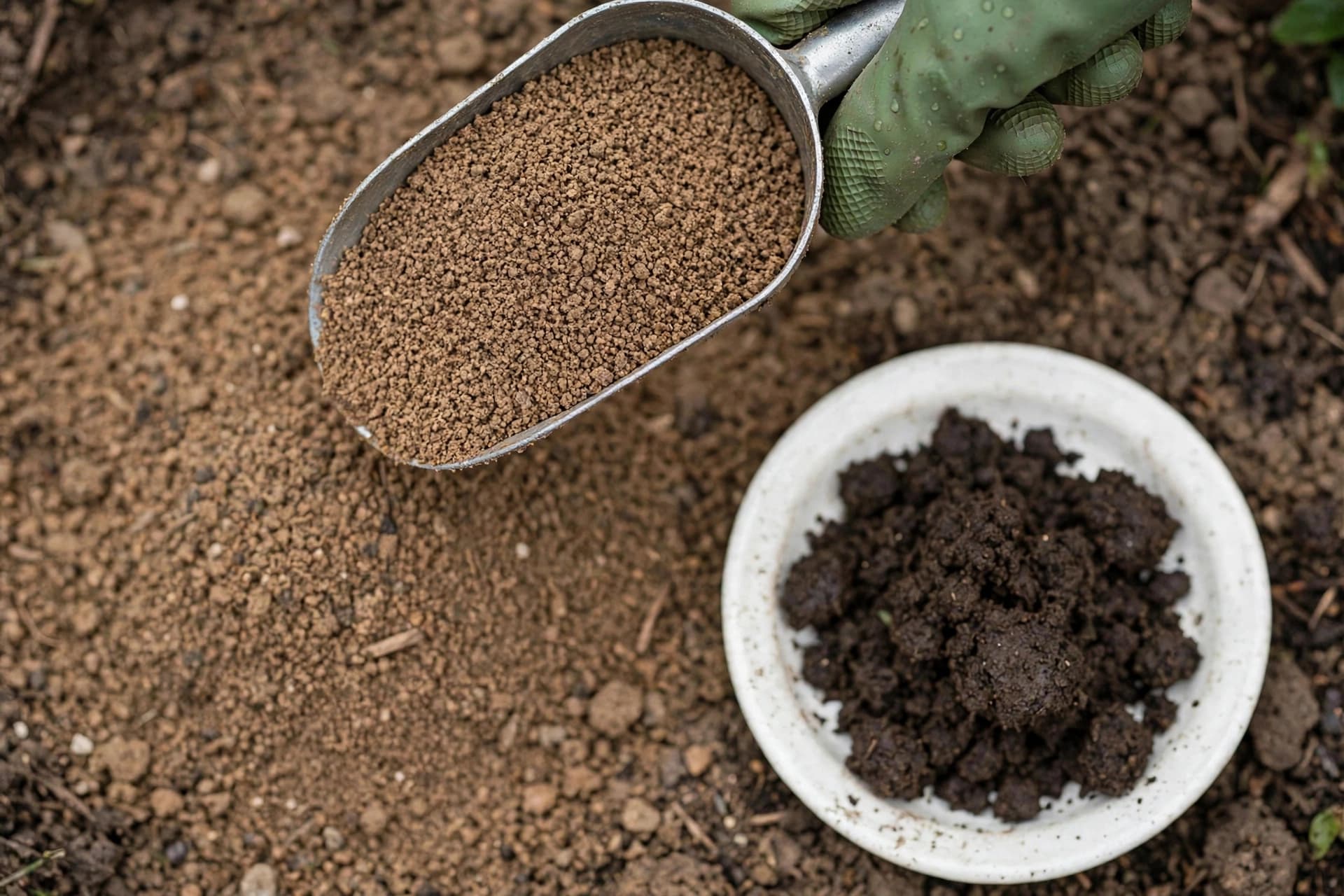
- Loose drygranular soil similar to used coffee grounds.
- A layer of mulch that appears to disappear in one season.
- Bare areas and plants that topple due to loss of support by roots.
- Worms kicking up at the surface when it rains, or when you are digging.
Timing matters too. Hatching of the worms begins in spring, they grow to adult size in midsummer and remain until the first hard frost (Source: university extension programs). They do not need a mate to reproduce and hence a single stray worm can initiate a new colony (Source: university extension programs).
Jumping Worms vs Earthworms: Key Differences
Many gardeners are afraid to turn in the soil, lest they kill beneficial soil life. This table is easier to call with this side-by-side option.
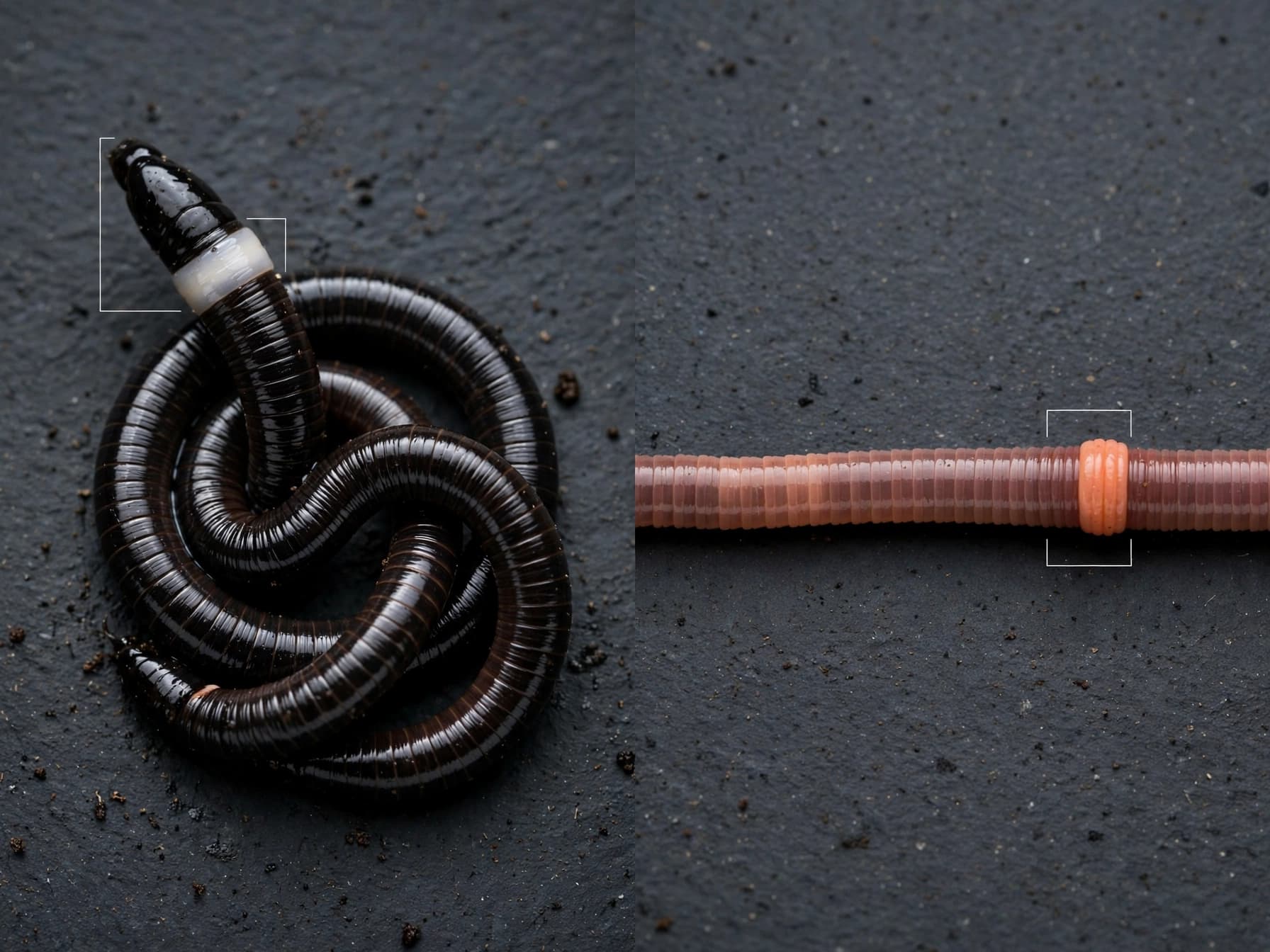
| Feature | Asian invaders (snake worms) | Common earthworms |
|---|---|---|
| Movement | Thrash, coil, and flip when touched | Slow, gentle wiggle |
| Band (clitellum) | Smooth, flat, milky white to gray, flush with body | Raised, saddle-like, pink to orange |
| Band location | Close to the head | Farther back from the head |
| Body | Dark gray-brown, firm, glossy | Pinkish-red to brown, soft |
| Soil | Dry, grainy "coffee grounds"; mulch disappears | Soil stays moist and clumpy |
| Life cycle | One year; adults die in fall, cocoons overwinter | Often live multiple years |
Simple rule: when a worm wiggles like a snake when you touch it, consider it an invader.
Remember that most of the typical earthworms in the northern U.S. such as nightcrawlers came to the country many years ago (Source: USDA Forest Service and university research). Nevertheless, they transform soil much slower than the Asian invaders.
Are Jumping Worms Harmful to Plants?
Yes, indirectly. These worms do not eat leaf material, but they eat the organic layer on which the plants rely: mulch, leaf litter, and the top few inches of soil. They are able to remove that layer much quicker than typical earthworms (Source: university extension programs).
What remains is gritty, dry soil that evaporates easily, erodes during heavy rainfall and cannot retain nutrients. The roots will be exposed, thus the plants will either wilt, hang over or will not be able to resurrect every year (Source: university extension programs).
Plants that may not thrive include:
- Hostas, ferns and other shallow-rooted perennials.
- Wild flowers and seedlings of native woodland.
- Perennials that have been newly divided or transplanted.
- Raised bed vegetable seedlings.
Woods Woods can suffer damage on a wide scale of forest floors and this is why these worms have become a priority to land managers ( Source: USDA Forest Service).
The pleasant news about your family and pets: these worms do not bite, sting or carry a disease. It is a risk to your plants and soil, but not your health (Source: university extension programs).
Jumping Worm Mustard Test: Confirm Them in Minutes.
There is no need to proceed to treat anything without first checking what you are dealing with. This mere irritant test makes the worms appear on the surface without disturbing your beds. All you require is a can of mustard powder in the spice; a watering can and some minutes.
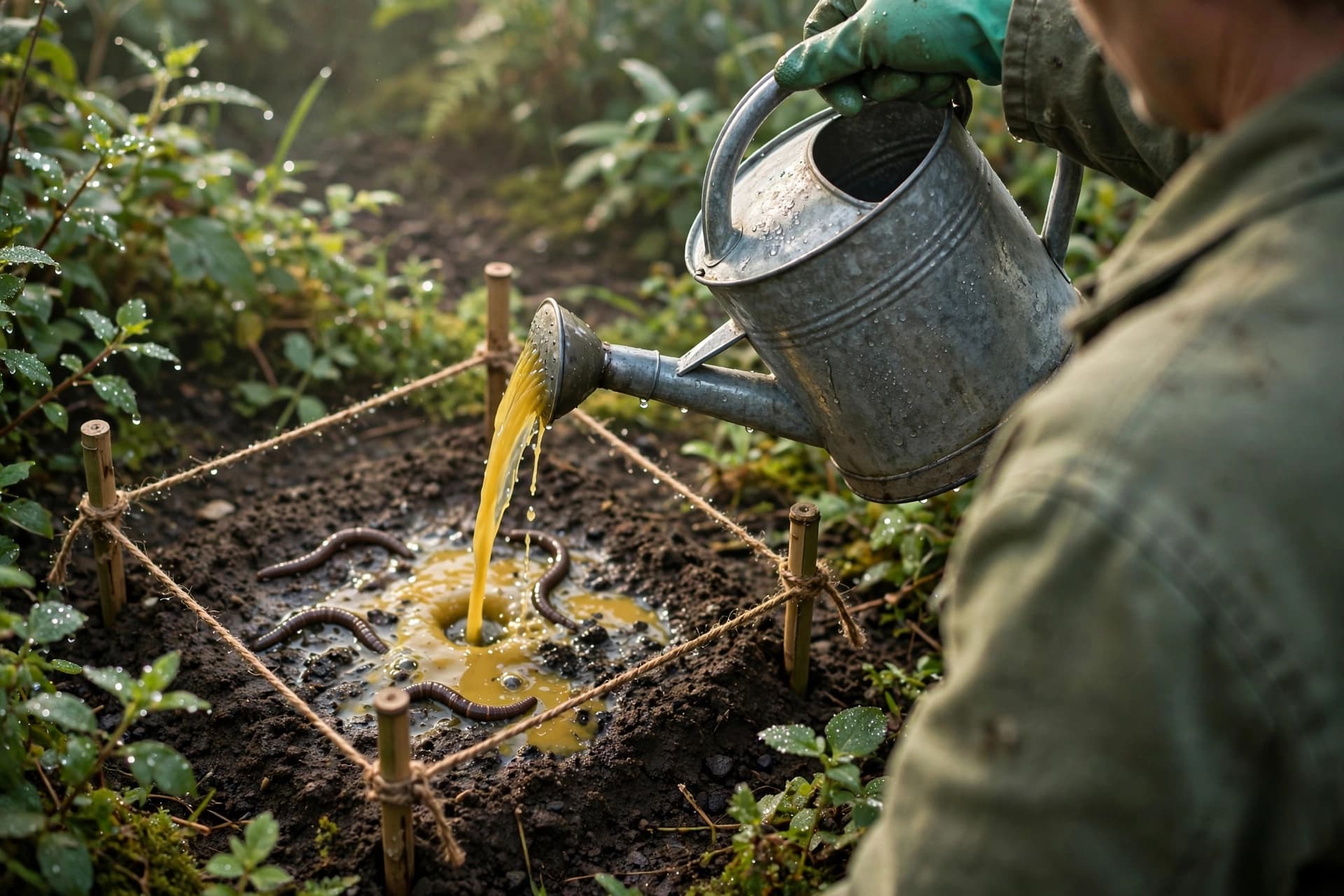
- Pick a spot. Select a one-square-foot area and remove mulch or litter on the ground to reveal bare soil.
- Mix the liquid. Combine 1/3 cup yellow mustard powder with 1 gallon of water (Source: university extension programs). Do not use squeeze-bottle mustard.
- Pour slowly. Wet the patch thoroughly, and move back.
- Watch the surface. In some minutes, worms wriggling up out of the earth are irritated.
- Identify and remove. What you want are thrashers that have a white band around the head. Put them in a bag with a seal.
- Rinse the spot. Spray the area with clear water to save the root of plants and soil life.
Some suggestions will enhance your performance. Check multiple areas, as infestations can be sporadic. Plant in damp soil, and get the job done before a hard freeze, as adults perish then after that initial deep frosty. Keep in mind that mustard will irritate other earthworms, as well, so be sure to watch closely what comes out.
Consider this as an investigative aid, not medicine. It never penetrates deeply into a worm, but leaves cocoons untouched.
How to Kill Jumping Worm Cocoons Before Winter
Cocoons are the problem, although adult worms receive the attention. They are all approximately the size of a mustard seed and are pale tan to dark brown and can barely be seen in mulch and crumbly soil. They are planted in midsummer up to fall and can toughly withstand a freeze winter (Source: university extension programs).
Cocoons are also known to be hiding in areas where you may not consider looking like nursery root balls, bagged compost, and potting mix. This is why just a replacement of a plant can initiate a new infestation (Source: university extension programs).
That is, you won't get winter to do it. In the first hard frost adults are killed, but the hatch the following spring is already cuddled into your beds. This is a fall job like scraping off pest egg masses, which avoids a spring surprise.
Your most powerful weapon is heat. Cocoons are killed within days at temperatures of 104 o F and above (Source: university extension programs).
Three ways of delivering it are:
- Sun-heated bags. In heavy-duty contractor bags, scoop infested mulch, litter and the first 2 to 3 inches of soil. Make them airtight and leave in the full sun on pavement a few days. The bag is poked with a cheap compost thermometer to determine whether you are getting to 104 F. When your daytime highs are under 70s, dump to the trash.
- The trash route. Wrap the material in a bag, and dispose of it with household garbage. If your local program does not confirm it runs hot enough, keep it out of yard-waste bins and compost piles.
- True hot composting. You can rely upon this only when you can follow the pile by thermometer, and keep it above 104 o C. several days. A lot of compost manuals target 130 F or higher ( Source: university extension programs). The majority of backyard piles do not get that hot.
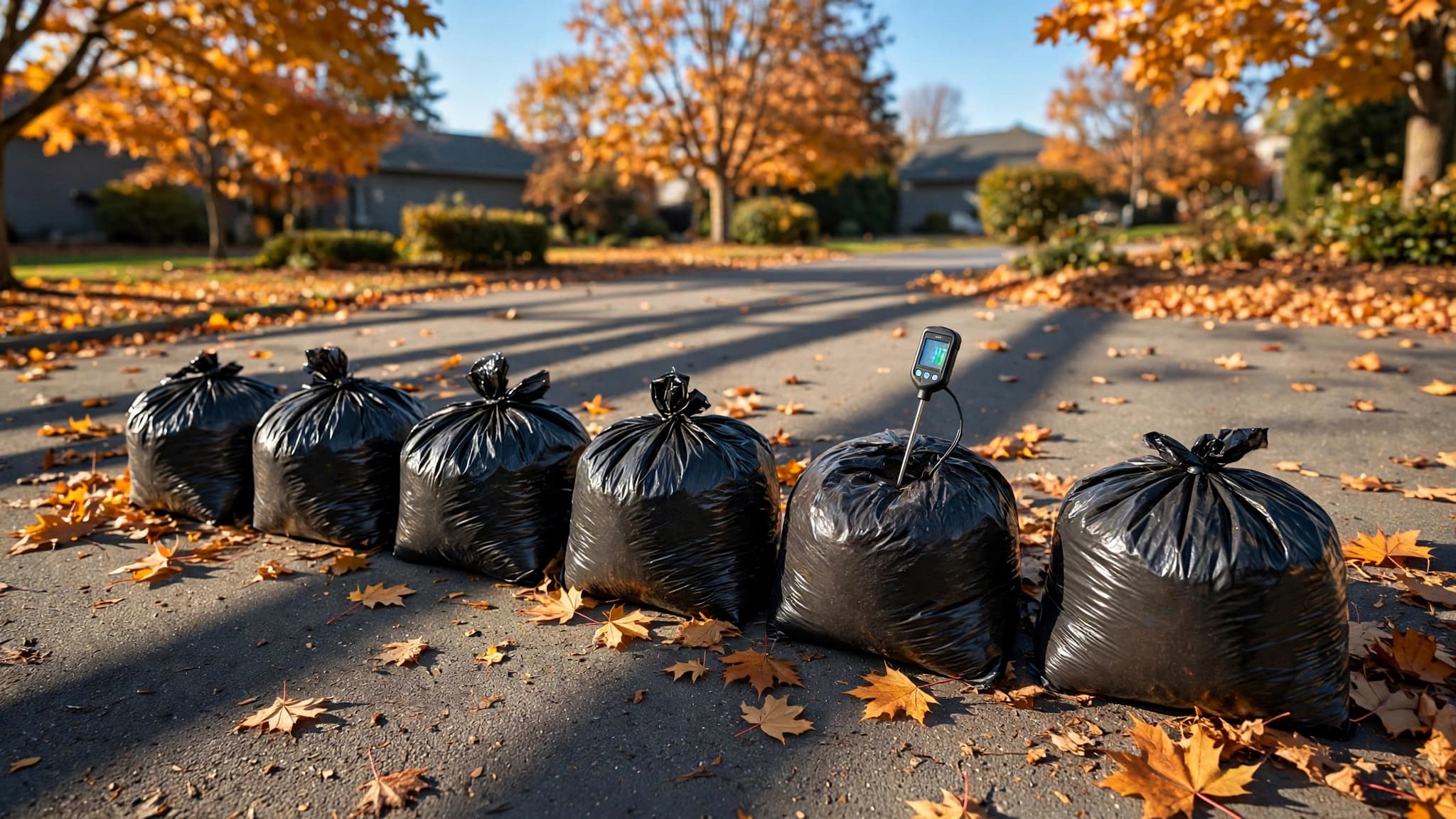
Mulch and leaves should be given special attention. We are fond of leaving behind leaves in garden beds to pollinators and soil health, but in the beds where these worms were found, bag and treat that litter rather than tucking it in as winter cover.
What to avoid: There is no product that has been widely recommended to kill those worms in the garden soil, thus avoid salt, bleach and drenching with dish-soaps. They may destroy plants and plants and soil life but still leave out cocoons (Source: university extension programs).
How to remove Jumping Worms: 5 Fall Steps.
Once these worms have been established, it is unrealistic to eradicate them completely but it is possible to reduce the population of the worms and prevent their spread (Source: university extension programs). These five steps will take two or three weeks to complete, when the ground freezes. Combine them with your pre-frost garden checklist to conserve time.
It is roughly as follows:
- Day 1-3: Hot spot and bag adult mapping (Steps 1-2)
- Days 4-10: Add mulch and soil with cocoon (Step 3) when stripped.
- Prior to the ground freezing: Delay plant movement, wipe down tools, and communicate the news (Steps 45)
Step 1: Map Your Hot Spots.
Add the mustard solution in five or six locations on each bed and plant positive spots with garden flags. Special attention should be paid to mulch piles, compost bins and newly planted areas. Where the worms reside, you know where to put your efforts in cleaning up.
Step 2: Collect and Bag the Adults
Take adults by hand, on your flagged patches, preferably on wet mornings when they are in close contact with the surface. Put on gloves, place them in a sealed bag and leave outside in the sun and then put in the trash can. Do not put them out in forests, or in fishing-bait.
Step 3: Strip and Treat the Cocoon Zone.
Rake off positive areas of the litter and rake the rake mulch, and scrape the top 2 inches of soil then apply one of the above methods to the heat or trash. Re-soil and re-mulch with new soil and fresh mulch with a supplier that heat-treats products (Source: university extension programs). You can select clean materials by consulting our soil, compost and fertilizer guides.
Step 4: Hold Digging, Dividing and Plant Swaps.
These worms move by means of moving soil (Source: university extension programs). Do not divide hostas or replace plants this fall. In case you have to transfer something, wet the roots under a tarp, replant in new potting soil, and bag the remaining soil. Check the root balls of new shrubs and trees, as well, which we discuss in our tips on planting trees in the fall.

Step 5: Report the Find and Clean Up.
Before quitting an infested bed, knock off shovels, boots, wheelbarrows, and mower decks. Notify local gardeners to check their own soils, and report your find to your state extension office or department of agriculture where they may be kept track of. You can stop a lot of spreading with a small neighbor admonition.
Final Thoughts: Finish the Job Before the Ground Freezes
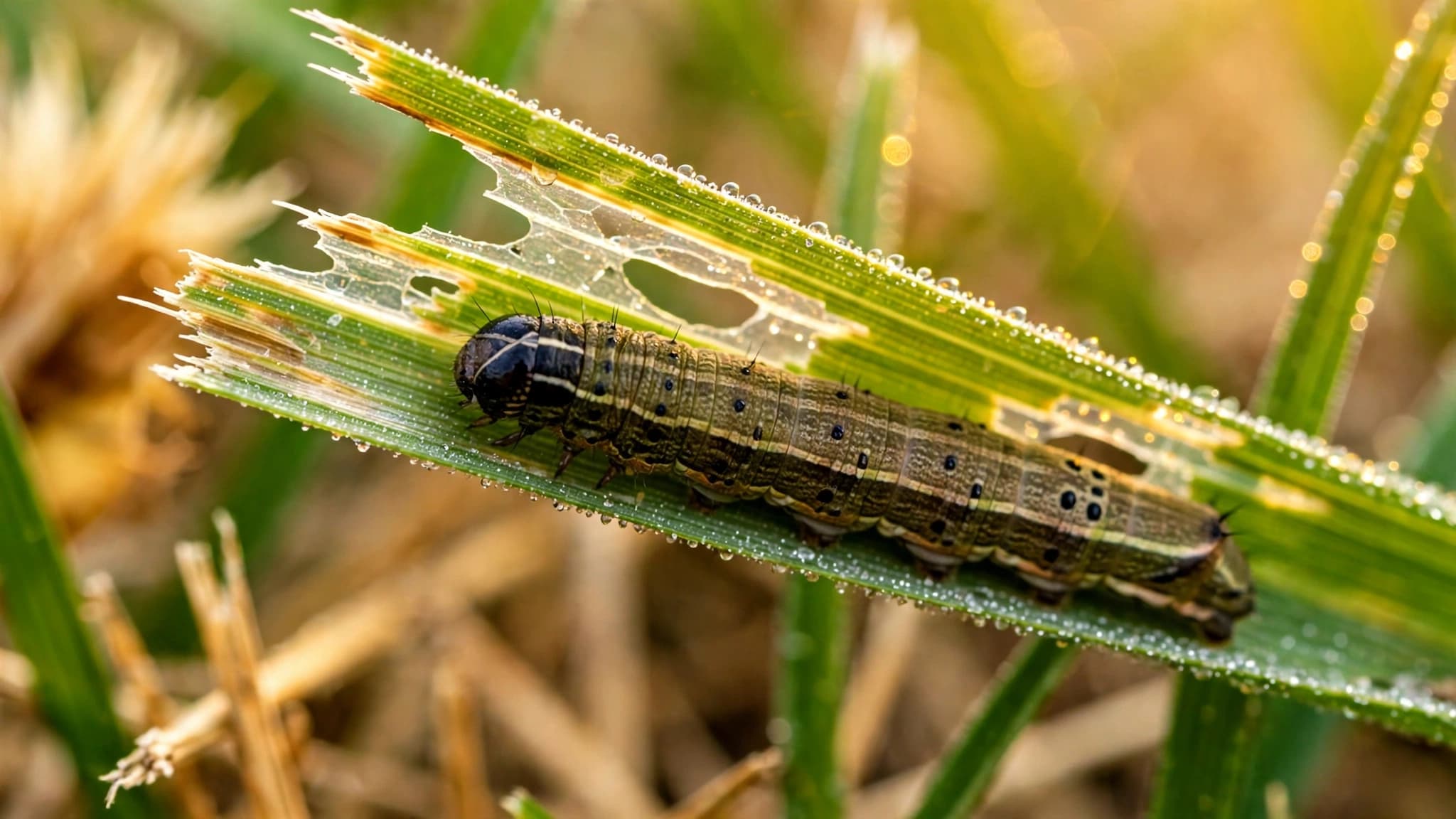
Adults perish with the first frosty night, but their cocoons keep alive the trouble till spring. The next few weeks are spent in testing your soil, bagging the adults and heat-treating or trash-infested mulch and your garden is given a fighting chance next year. You are in pest-patrol mode, and you should continue with our fall armyworm guide, and then you can learn to detect spotted lanternfly egg masses before winter.
References:
- University of Wisconsin–Madison Arboretum, "Jumping Worms: Species Identification, Behavior, Life Cycle, Cocoon Timing, and Heat-Treatment Guidance"
- University of Minnesota Extension, "Jumping Worm Identification and Management Guidance" (including mustard-solution ratio and adult disposal)
- USDA National Invasive Species Information Center, "Asian Jumping Worm Species Profile and Invasive Status"
- USDA Forest Service, "Research on Non-Native Earthworm Impacts on Forest Ecosystems" (European origin of northern earthworms and soil structure disruption)
- University Cooperative Extension Programs, "Plant and Soil Impacts of Invasive Earthworms" (hot-compost temperature guidance, heat-treated mulch sourcing, lack of chemical controls, and human/pet safety profile)
Frequently Asked Questions
How to get rid of jumping worms without chemicals?
How do you do a jumping worm mustard test?
What do jumping worms look like compared to nightcrawlers?
Do jumping worms die in winter?
Can I put infested mulch in my compost bin?
Are jumping worms dangerous to people or pets?
About Philemon John
Philemon John is the Lead Author of Broad Gardening and has more than 10 years of experience growing and caring for plants in the backyard. He is particularly passionate about vegetable gardening, soil building and pest management and offers real-life advice and tips to support home gardeners.