How to Plant Garlic in the Fall: Timing, Depth, Placement

By Philemon John
Lead Author & Cultivator • Peer Reviewed & Soil Tested
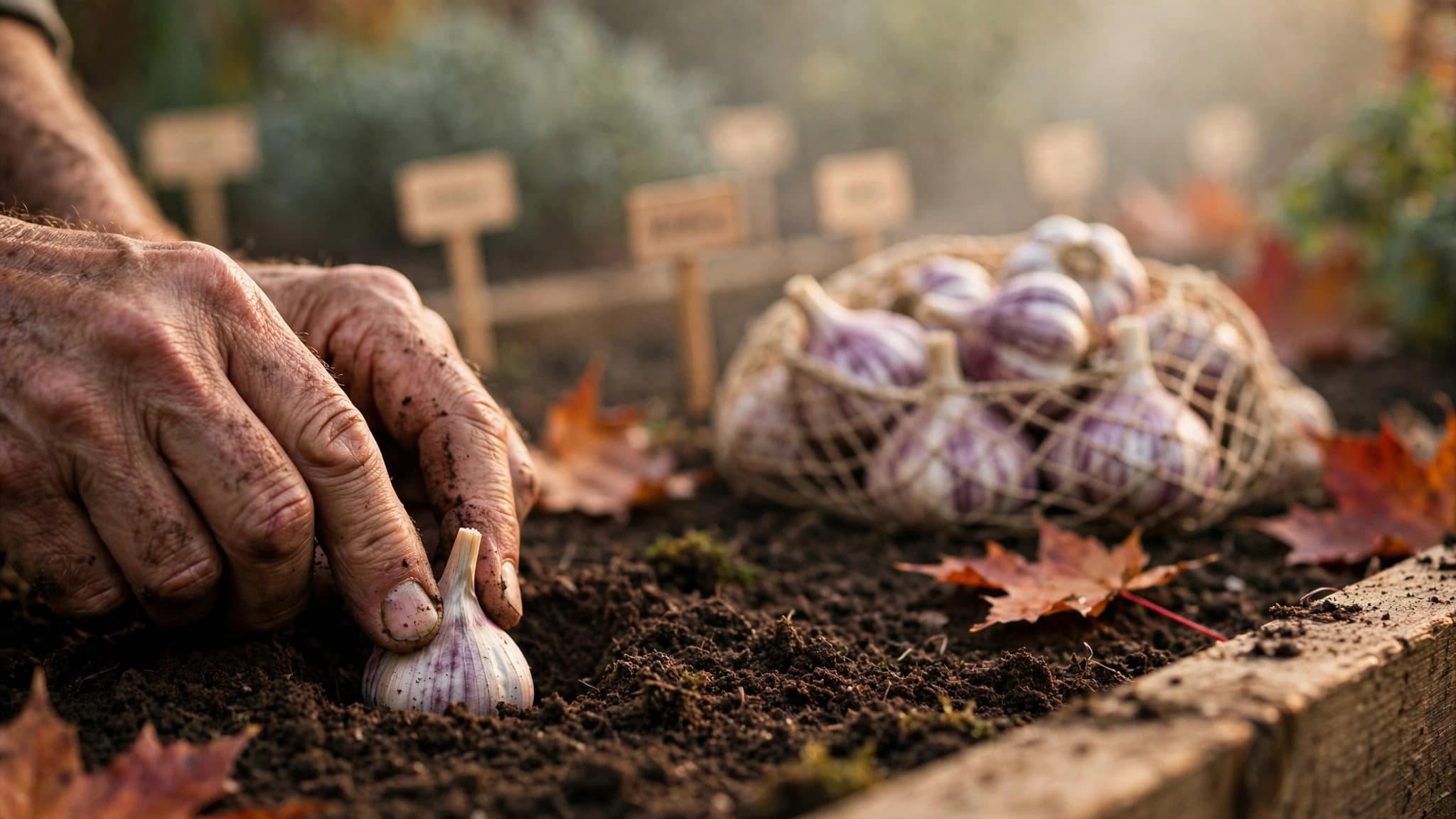
It is early October, tomato vines are over and pumpkins are stacking on American porches. This is what the old gardeners know: This is the time to plant the garlic of next summer in the ground. A dollar or two of cloves now become by July thick, juicy balls. This guide provides you with the timing, depth, and the spacing, and the single bed-placement error that silently stunts harvests.
Quick Answer: Plant one clove in a sunny, well drained bed, with the pointed end of the clove up, in about 2 inches of soil spaced 6 inches apart. Target about 4-6 weeks before your soil freezes, or, in most of the country, October. Cover and plant with 3 to 6 inches of mulch and harvest the following summer.
When to Plant Garlic in Fall: Timing by U.S. Region
Garlic is not planted on its leaves, but on its roots. Before winter closes shop cloves require time to establish themselves in cool soil. Ideally, any sprout that appears above the surface is only a small sprout.
The most practical tip is to plant approximately 4-6 weeks before the ground freezes ( Source: university extension guidance). A nice place to begin is your typical first frost date (Source: NOAA). Most gardeners get their gardens planted a few weeks later, when nights are consistently chilly.
Not certain of your area? This table is a starting point, fill in your ZIP code on the USDA Plant Hardiness Zone Map.
| USDA Zones | Typical Regions | Best Planting Window |
|---|---|---|
| 3–4 | Northern Plains, Upper Midwest, northern New England | Late September to mid-October |
| 5–6 | Great Lakes, Northeast, central Midwest | Early October to early November |
| 7–8 | Mid-Atlantic, Upper South, Pacific Northwest lowlands | Late October to late November |
| 9–10 | Deep South, Gulf Coast, warm parts of California and the Southwest | Late November through December |
(Source: USDA; university extension guidance. Frost-dress to your local frost dates.)
The more frequent slip is early planting. Cloves which develop tall green shoots prior to the winter season may be killed by cold. When you miss the window, panic not. Even late cloves will take root as long as the soil is workable and mulch assists them to keep up.
Pass over the spring-planting short cut, however. Garlic requires between 4 to 8 weeks of cold temperatures to divide into whole, multiflora bulbs and thus, the spring-planted garlic tends to produce small ones (Source: university extension guidance).
Garlic is a great addition to your fall garden list immediately after picking up the summer vegetable debris.
Hardneck vs Softneck Garlic: Which Type Should You Grow?
Any cooking garlic is in two broad camps, and your winters ought to influence the decision. Hardnecks are the most resistant to bitter cold, whereas softnecks can be stored longer.
| Trait | Hardneck | Softneck |
|---|---|---|
| Cold hardiness | Excellent | Fair to good |
| Flowering stalk (scape) | Yes | No |
| Cloves per bulb | Fewer, larger (about 4–12) | More, smaller (often 12–20) |
| Flavor | Rich, complex, often spicier | Milder, familiar supermarket taste |
| Storage life | About 4–6 months | About 9–12 months |
| Braidable | No | Yes |
| Popular picks | Music, German Extra Hardy, Chesnok Red | California Early, Inchelium Red, Silverwhite |
(Source: university extension guidance)
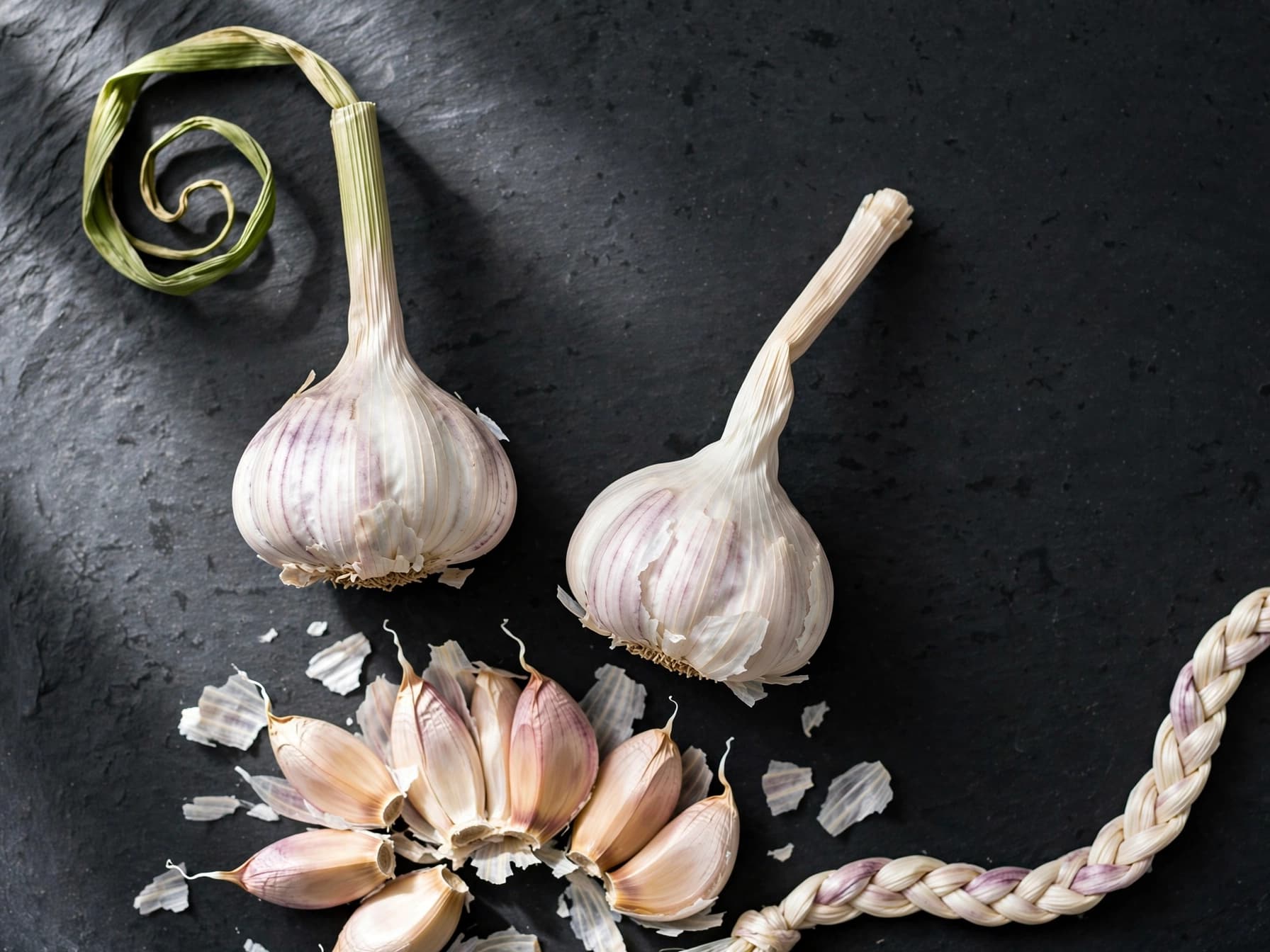
Zones 3 to 6 are the safest areas to bet on hardnecks as they can withstand deep freezes. Softnecks will flourish in Zones 7 and above. Creole types and other hardneck types that can endure a lot of heat should also be tried.
Curly flower stalks are known as scapes and are sent up by hardnecks in early summer. Cut them off, thus the plant invests its energy in the bulb. Then add the tender scapes to pesto or stir-fries (Source: university extension guidance).
New to growing? This fall plant a few of each kind, and leave the winner to your own yard.
Can You Plant Garlic From the Grocery Store?
Technically, yes. Garlic is garlic and a clove in the supermarket will grow. Practically, however, store bulbs are a gamble because of three reasons:
- Sprout inhibitors. A part of the commercial garlic is sprayed to remain inactive in the shelf, and this can delay in your bed. Organic bulbs are less probable to be treated (Source: USDA National Organic Program).
- Unknown variety. Most of the supermarket garlic is a softneck bred due to shipping and shelf life rather than your climate. You will not know whether it is able to cope with your winters.
- Disease risk. Soil-borne issues such as white rot and stem and bulb nematodes may be transmitted through garlic. A single infected bulb can infect a bed over the years (Source: university extension guidance).
The safer starting point is seed garlic of a farmers market or local nursery or a reputable catalog. Specialty growers cost about 15 to 30 per pound (Source: U.S. seed company catalogs). Place orders early, as most of the more popular varieties are usually sold by early fall.
Wondering about store bulbs? Put a few cloves, which are organic, in a spare pot, and not in your main beds. It is an inexpensive experiment, and it keeps your vegetable garden free of any hidden disease.
The One Bed-Placement Mistake That Stunts Your Harvest
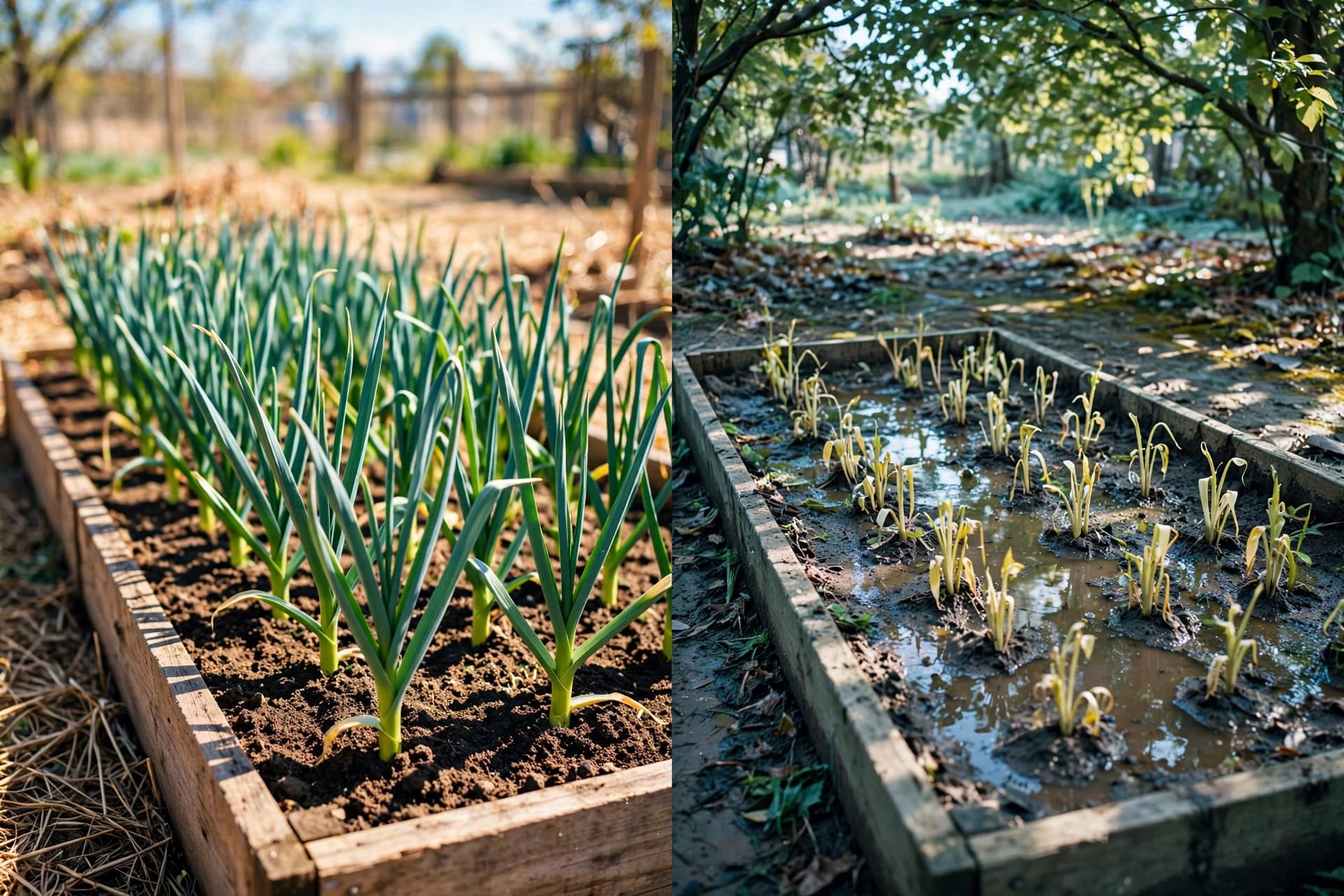
This is it: garlic planted wherever there is open ground rather than in full sun and where the ground is well drained. Easy to do in October, when a corner that is left over will look just fine.
Sun comes first. Garlic needs 6 to 8 hours of direct sunlight a day (Source: university extension guidance). Most of the sizing of bulbs occurs in late spring, and therefore the shade you are in is how the bulb will be in the months between April and June when the trees are in leaf. Wander in the yard and identify the sunniest places in your yard and imagine where the shadows of trees and fences will be in May.
Drainage comes second. Wet earth decays the cloves before they grow. The common offenders include low corners, downspout spots, and clay-heavy spots. Garlic is very forgiving, and will not forgive standing water.
In order to test a spot, excavate a hole of about 12 inches and add water in the hole. When water remains after several hours, then choose another site or construct up (Source: university extension guidance). Raised 8 to 12 inch high beds stabilize drainage, but not the shade, so select the sun first.
Check each candidate bed with the following brief checklist:
- Sun: 6-8 spring hours of direct sun.
- Drainage: soil not wet a day after it rains.
- Soil type: loose, loamy, pH of 6.0-7.0.
- Rotation: no onions, garlic, leeks or shallots in that bed in the last 3 years, which minimizes pest and disease issues in the soil (Source: university extension guidance)
Step-by-Step: How to Plant Garlic in the Fall
With your timing, type, and spot chosen, planting takes less than an hour for a typical bed. The following are the steps to be followed.
Prep the Soil
Loose the soil 8-12 inches deep with a garden fork. Add approximately 2 inches of finished compost next to feed the roots and to enhance drainage.
Garlic prefers a pH of the soil of 6.0-7.0 (Source: university extension guidance). An inexpensive test kit will tell you where you stand. Weed it all, as garlic is no competition. Avoid fresh manure, which is known to burn young roots.
Create and Choose Your Crack the Bulbs.
In one or two days after planting, break each bulb into separate cloves, and keep the papery skins. Keep the largest, fattest cloves to the bed, as the size of the clove is related to the size of the bulb. Dispose of all that are soft, shriveled or moldy, and the small ones in the kitchen.
How Deep to Plant Garlic Cloves
Place each clove on its tip and flat bottom side. Most soils respond well to a depth of 2 inches and a depth of 3 inches works well in areas with hard winters (Source: university extension guidance).
Distance between the top of the clove and the soil surface. Staying nearer to 2 inches in heavy clay makes sure that the shoots can easily penetrate the soil.
Garlic Spacing in a Raised Bed.
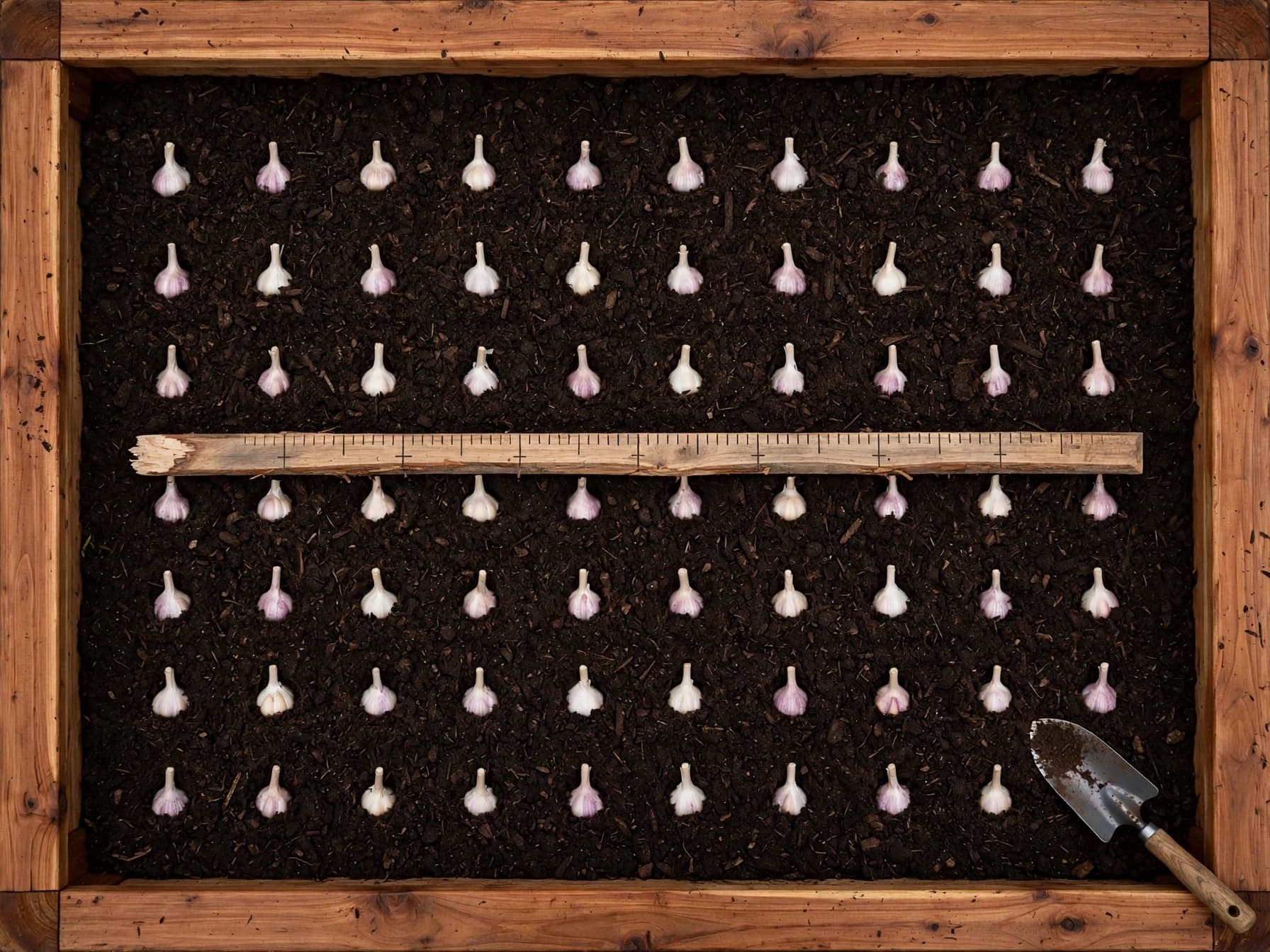
Space cloves at a distance of 6 inches in all directions or 4 cloves a square foot. Allow a 3 inch space on the sides of the bed. A 4-by-8-foot bed with that spacing contains about 128 cloves.
Big-clove hardnecks like up to 8 inches of elbow space. Whole earth planting instead? Prepare rows with a distance of 8 to 12 inches. Beds 10-12 inches deep drain the best, and this also helps you to avoid the above mentioned placement error.
Mulch and Water In
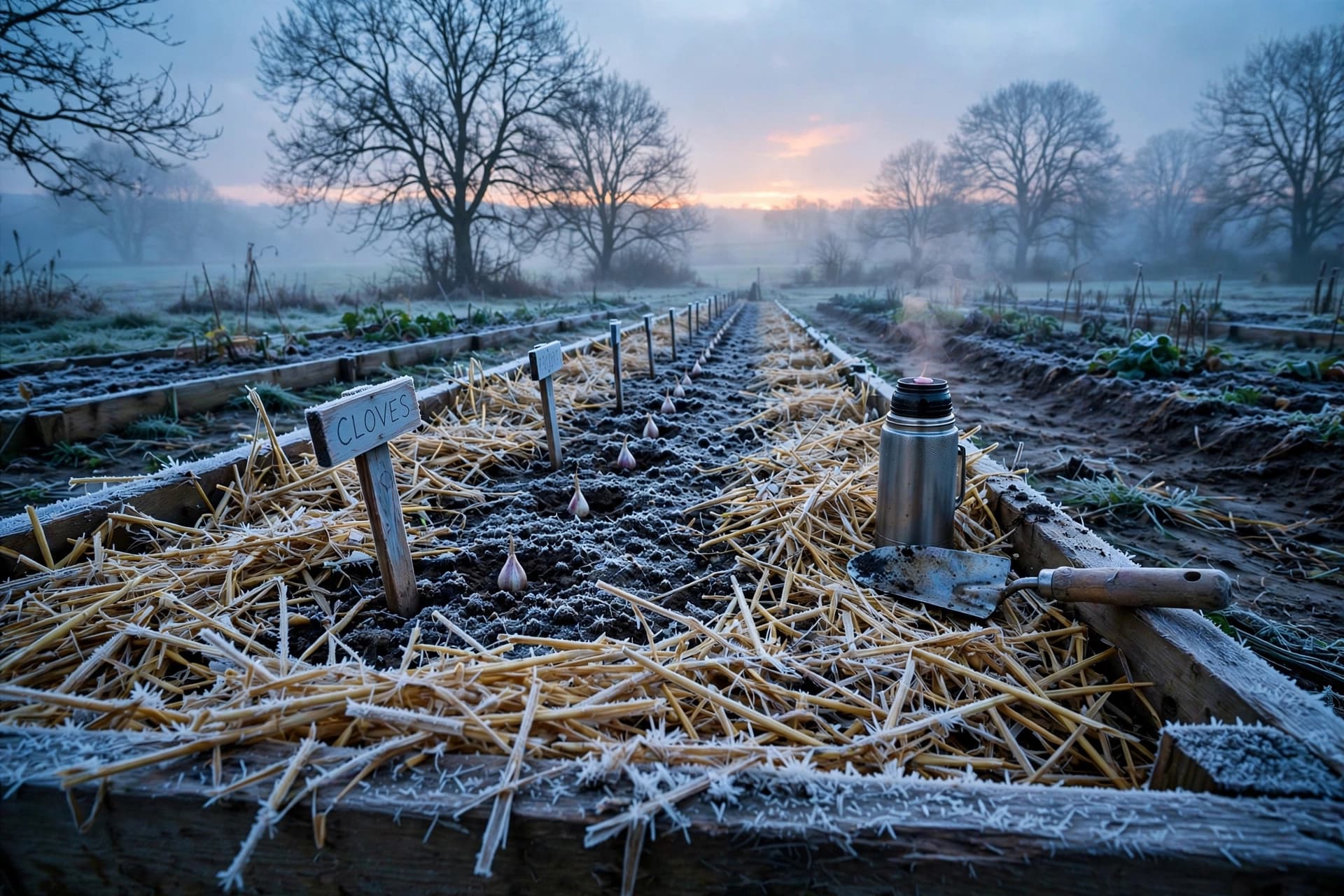
Water the bed heavily after planting so as to settle the soil. Should fall remain dry, water it a little, say an inch per week until the ground is frozen.
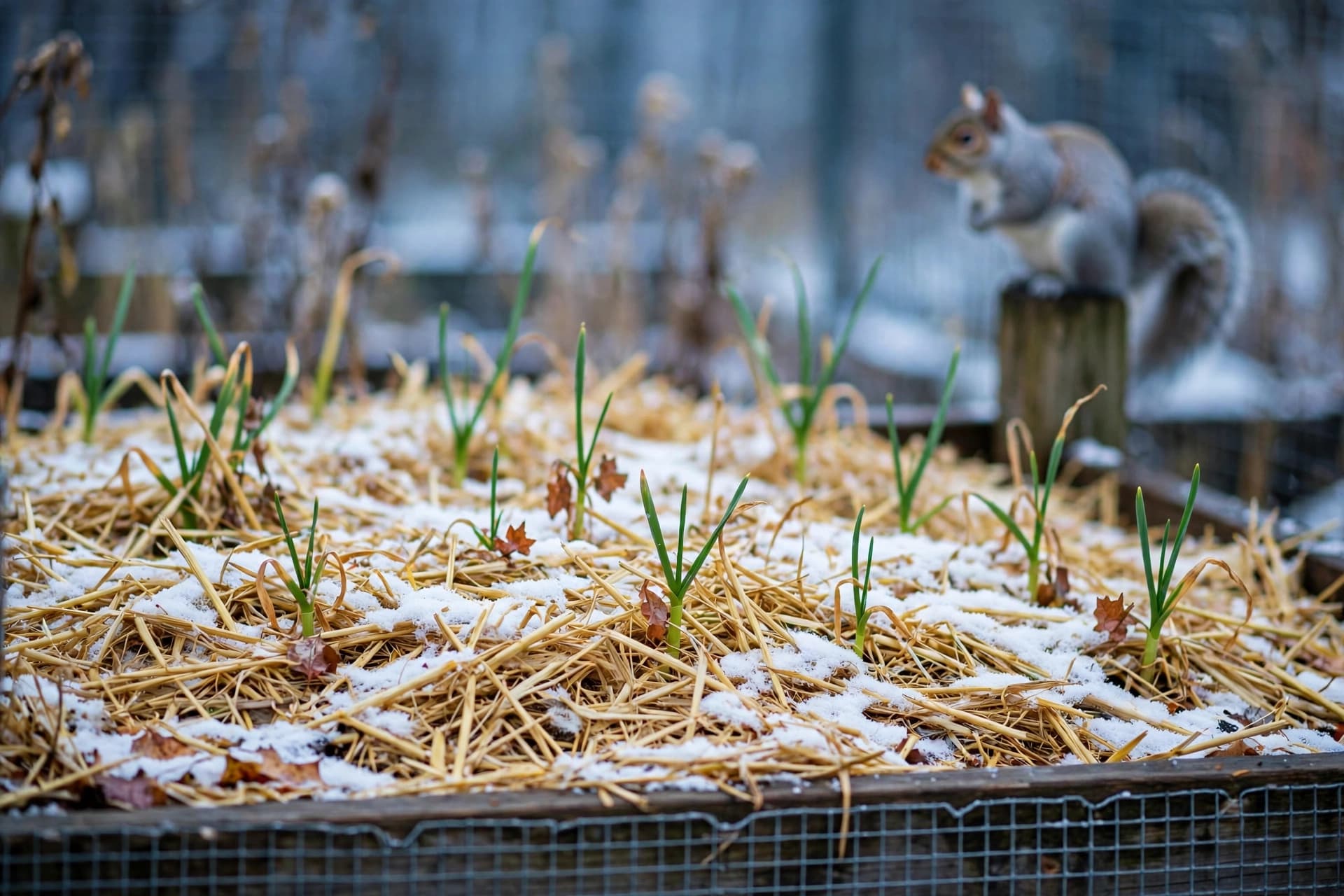
When the soil cools down or a hard frost has taken place, cover the bed with 3 to 6 inches of straw or shredded leaves (Source: university extension guidance). Mulch covers the cloves, weeds as well as retains water hence it is the cheapest insurance that you can purchase. In moderate climates, 2-3 inches suffices.
In case squirrels feast on your newly turned bed, cover it with chicken wire or hardware cloth until the ground is frozen.
What to Expect in Spring and Summer
Late in winter, green shoots might emerge. It is normal, and cold snaps will not normally damage mulched plants. In the early spring, feed with a high-nitrogen fertilizer, water approximately an inch per week, then eliminate feeding when the bulbs start swelling in the spring.
Pick when the lower third of the leafage is brown, which is typically in late June and July. Plant the bulbs then cure them 2-4 weeks in a shady, airy location (Source: university extension guidance).
References:
- USDA Agricultural Research Service: USDA Plant Hardiness Zone Map (zone definitions and ZIP code lookup).
- NOAA National Centers for Environmental Information: U.S. climate data and average first fall frost dates.
- University of Minnesota Extension: home-garden garlic guidance (planting window, depth, scapes, harvest and curing).
- Oregon State University Extension Service: garlic growing guidance (sun, soil pH, drainage, mulch).
- State land-grant university extension services (general): guidance on cold requirements, crop rotation, white rot, and stem and bulb nematodes (see USDA National Institute of Food and Agriculture).
- USDA National Organic Program: organic standards on synthetic sprout inhibitors.
- U.S. specialty seed garlic suppliers: published catalog pricing ($15–$30 per pound range varies by variety and year, so verify current listings before publishing).
Conclusion
One of the simplest crops that you can cultivate is garlic provided that the cloves are planted where they are needed and at the right time. Plant approximately a month before your soil freezes, select a sunny, well-drained bed and mulch freely. Let winter do the lifting then. Prepared to do your next fall project? Now read our squirrel-proof-bulbs guide, and plant some of them in the garden before the first hard frost.
Frequently Asked Questions
When to plant garlic in fall if you live in a warm climate?
How deep to plant garlic cloves?
Can you plant garlic from the grocery store if it's organic?
How to plant garlic in the fall if your soil is heavy clay?
Is it too late to plant garlic in November?
Do you plant garlic pointy side up?
About Philemon John
Philemon John is the Lead Author of Broad Gardening and has more than 10 years of experience growing and caring for plants in the backyard. He is particularly passionate about vegetable gardening, soil building and pest management and offers real-life advice and tips to support home gardeners.