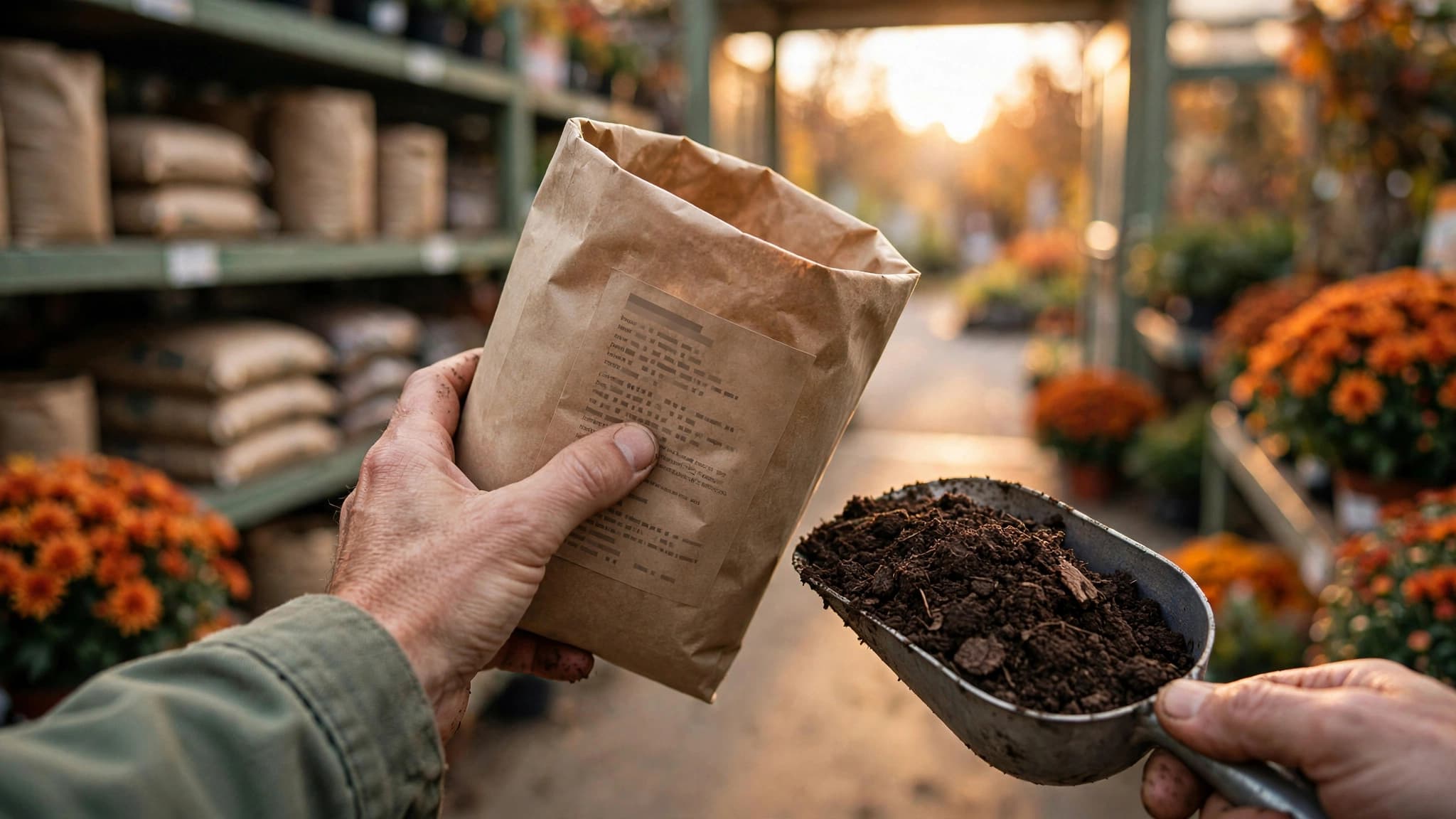
5 Fall Cover Crops to Vegetable Gardens (Sow by Oct. 10)

By Philemon John
Lead Author & Cultivator • Peer Reviewed & Soil Tested
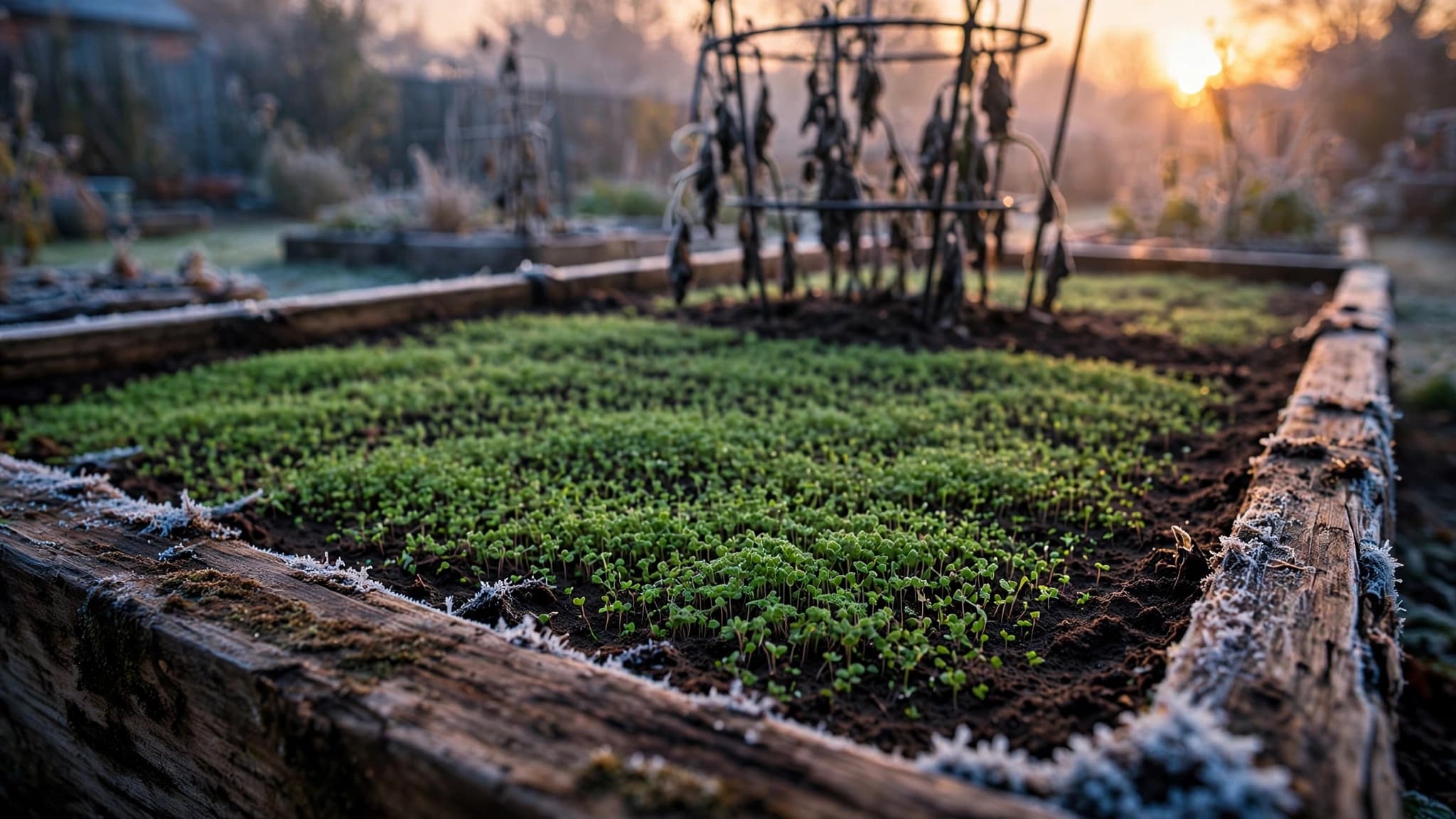
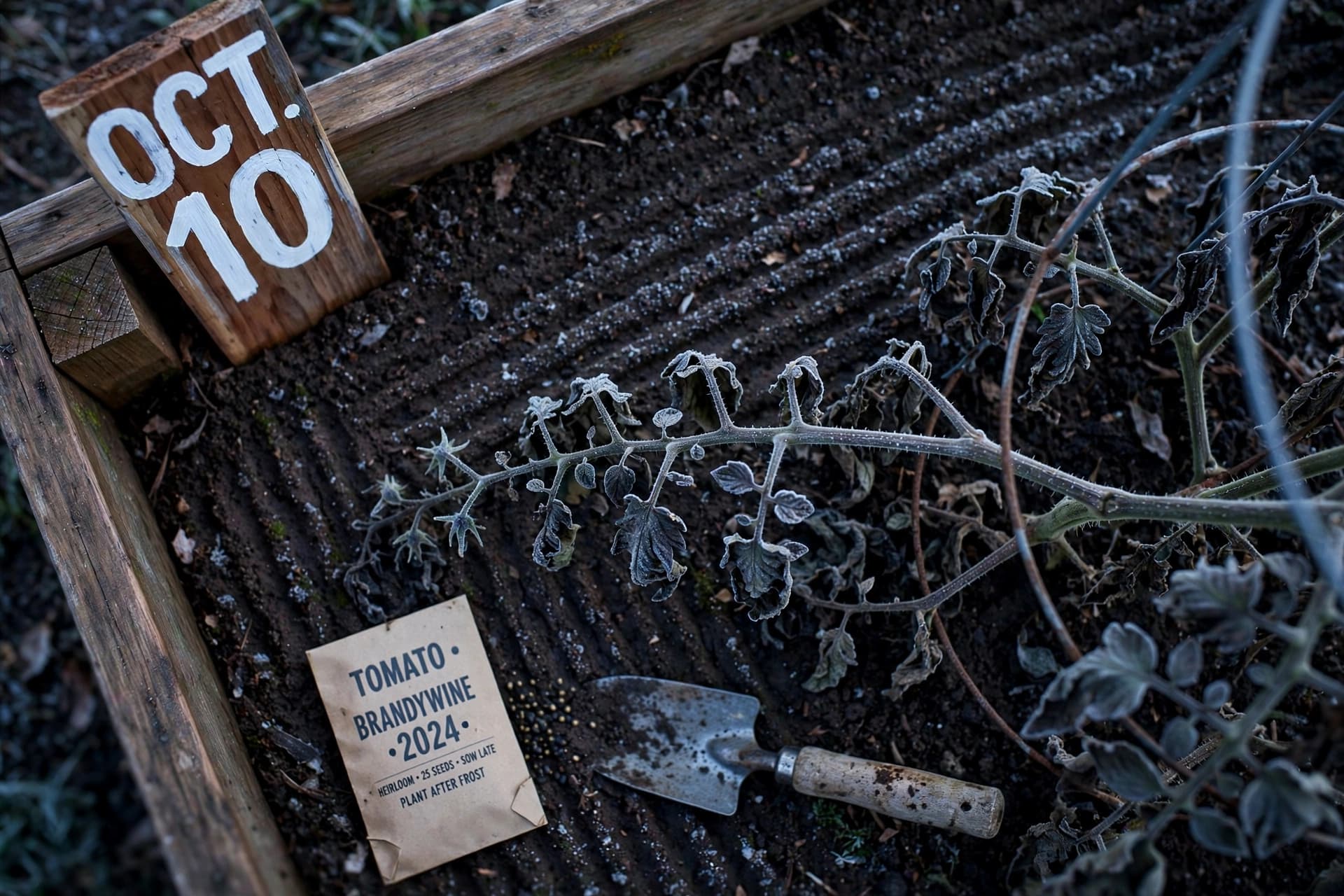
It is the first week of October, and your tomato vines have turned black after the first cold snap, and the garden is all set to be forgotten until April. The thing is this: bare soil is washing away to every autumn rain-shower, the nutrients, and it is the very best breeding place of winter weeds. Both can be fixed by a few handfuls of seed sown by Oct. 10. You will receive five proven picks, an easy seeding plan, and a spring game plan below so the work will be worth it.
The short version: Winter rye, crimson clover, hairy vetch, winter wheat and oats are the best seeds to be planted this week. Rye and wheat grains shield the soil and cover weeds, and clover and vetch harvest nitrogen in the air to nourish crops of the following year. Targeting to plant by approximately Oct. 10 in most of the Midwest, Mid-Atlantic, and Northeast; warmer areas have additional time.
When to Plant Fall Cover Crops: Why Oct. 10 Is the Cutoff
Before the ground freezes the seeds require time to sprout and root. That is why early October is one of the turning points of gardeners in the Midwest, Mid-Atlantic, and Northeast. The majority of extension guides recommend planting about four to eight weeks prior to your average first hard freeze and legumes require the most time to start. (Source: Cooperative Extension guidance)
The real deadline will be based on your zip code. Find your average first-frost date and count backwards. Next look at your USDA hardiness zone to find out what plants can withstand your winter lows.
The following is a crude area guide. Make it a guideline, not a contract. (Source: Cooperative Extension planting-window guidance)
- Zones 3-5 (northern tier): Clover and vetch window is largely shut. Plant rye or winter wheat at this time and anticipate slower growth.
- Zones 6 7 (Ohio Valley, Mid-Atlantic, most of the Midwest): This is the time of the year when all the seeds on this list are at their best.
- Zones 8-10 (South and Pacific coast): You still have a few more weeks. Lightly-winter gardeners can frequently plant in November.
Why bother at all? Fall and winter rain beat bare soil, potentially washing away topsoil and washing away nutrients inaccessible to roots. (Source: USDA NRCS) A living green blanket helps decrease that loss, crowd out weeds and keep soil life nourished during the cold months. Legumes nourish the soil; the grains guard it.
There is no need to panic when you are a couple of days late. Grain seeds are in lenient mood, And a slender stand still ploughs bare soil. Have other fall chores? On what to do before the first frost covers the rest we have a checklist.
The 5 Best Fall Cover Crops for Vegetable Gardens
All the picks below are cheap and readily available at farm-supply stores and online, and are not too demanding of amateurs. This is what each of them is best at, and one thing to keep in mind.
1. Winter Rye: The Last-Call Champion.
The hardest seed in this list is winter rye, which is also known as cereal rye. It grows in cold soil, withstands extreme winters and can be planted after other crops have lost their opportunity. (Source: SARE) It has thick roots that keep the soil in place and its thick top growth smothers the weeds.
The thing is- rye is a very vigorous grass, and when spring comes, it will be time to cut before it seeds. Sow about 2 to 3 lbs per 1,000 sq ft.
2. Crimson Clover Cover Crop: Nitrogen Builder and Bee Magnet.
The crimson clover is a legume whose bright scarlet flowers are the favorite of the bumblebees and honeybees in the spring. It can withstand most winters in zone 6 and warmer, but may die off in colder winters. It is also among the simplest legumes to trim, and this fact makes it a great choice of a first-time pick.
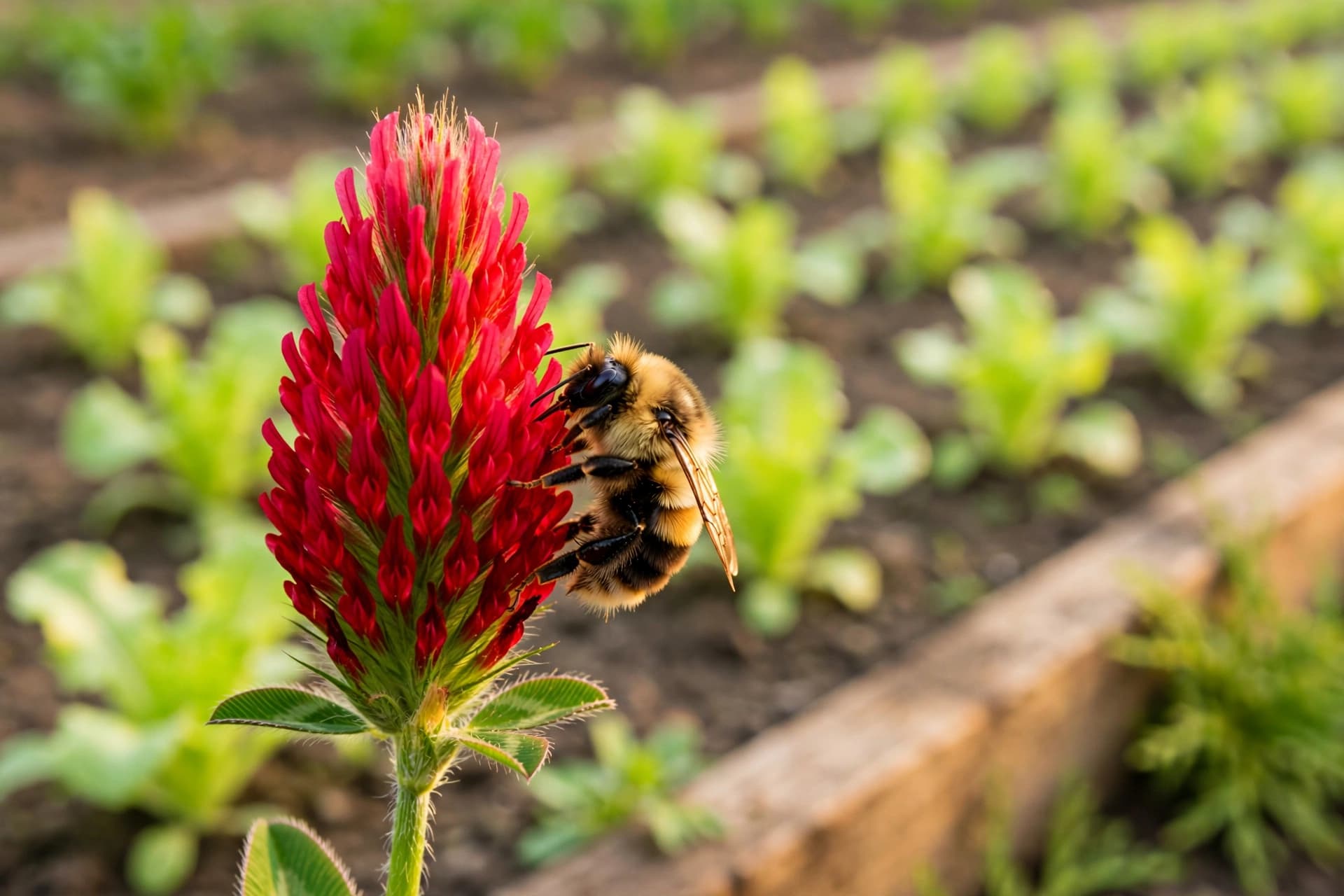
Plant 1,000 sq ft: plant 1/2 to 1 lb and rake in lightly as the seeds are small. Love to observe pollinators at work? Combine it with our tips on how to plant a pollinator garden.
3. Hairy Vetch: The Ultimate Nitrogen Fixer.
Another legume is hairy vetch, which is one of the hardiest, which can endure winters down to zone 4 and warmer. (Source: SARE) It produces a green canopy of vines capable of enhancing the soil nitrogen levels of crops that are hungry such as tomatoes, peppers and squash.
Plant about 1 lb to 1,000 sq ft. Clipped out when the seed pods are yet to develop in late spring, otherwise it may emerge as a weed in the older years.
4. Winter Wheat: Softer Grain.
Winter wheat does a lot of the same thing that rye does, but less dramatically. It is cold-tolerant, can be sown as late as October, and tends to be less harmful to young plants in the spring. (Source: Cooperative Extension directions) Apply approximately 2 to 3 lbs per 1,000 sq ft.
Look on label to see winter wheat, as spring wheat planted now will be killed with the first hard freeze. Select untreated seed where possible.
5. Oats: No-Dig Alternative.
Oats seed quickly in cool climates, and winter kill in cold-winter climates when the temperatures drop into the teens. What remains is a mat of brown mulch, which can be planted through, so that there is not much spring work. (Source: Cooperative Extension guidance)
Oats require several weeks to be worth the effort, and so are best in zone 6 and earlier in the season when the weather is warmer. Use about 3 lbs per 1,000 sq ft. In winter lands where it is mild, they are likely to survive and you should do the same by cutting them.
The five stack up as follows:
| Seed | Type | Best for | Winter result | Seed per 1,000 sq ft |
|---|---|---|---|---|
| Winter rye | Grain | Weed control, erosion | Survives (very hardy) | 2–3 lbs |
| Crimson clover | Legume | Nitrogen, pollinators | Survives in zone 6+ | ½–1 lb |
| Hairy vetch | Legume | Nitrogen, ground cover | Survives in zone 4+ | About 1 lb |
| Winter wheat | Grain | Gentle weed control | Survives (hardy) | 2–3 lbs |
| Oats | Grain | No-dig mulch | Winter-kills in cold zones | About 3 lbs |
The seeding rates are considered common ranges in the garden and therefore, you will always do according to your seed label. (Source: Cooperative Extension and seed-supplier advice) Not certain which to choose?
- Most simple spring cleanup: oats or crimson clover.
- Free nitrogen: hairy vetch or crimson clover.
- Maximum weed control and the latest sowing date: winter rye.
- A softer grain: winter wheat.
Winter Rye vs Annual Rye: Which One Should You Sow?
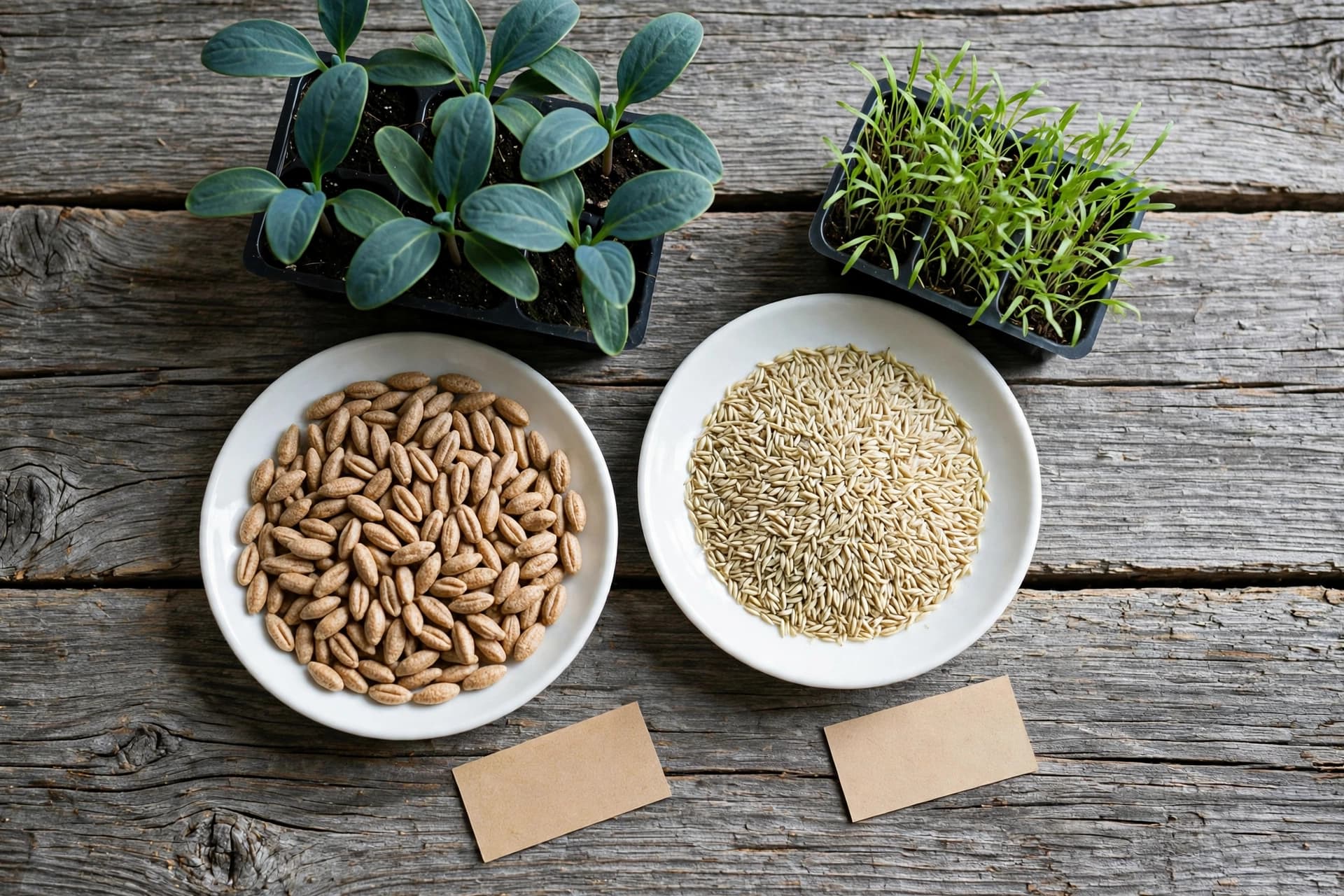
These are different plants, yet their names are similar. Winter rye (Secale cereale) is a true grain that has deep roots and has a very good cold tolerance. Lolium multiflorum, also known as annual rye grass (Lolium multiflorum), is a fast-growing, fine-bladed, lawn grass that is not as cold-hardy and may persist as a weed when it goes to seed. This method is carried out by the services coordinators.
- Winter rye: grain, deep rooted, highly winter hardy, ideal in controlling weeds and erosion.
- Annual ryegrass: lawn-type grass, quick but also not so hardy, may become weedy.
In the case of vegetable beds, winter rye tends to be the safest choice. Look at the label of the cereal rye or its Latin name. It is not the same thing as a bag merely labeled with the word rye grass and perennial rye grass can make your bed a lawn.
Do Cover Crops Add Nitrogen? What Legumes Really Do
Only a few of them do. Legumes such as crimson clover and hairy vetch team up with soil bacteria called rhizobia that live in root nodules. These bacteria change nitrogen gas in the air to a form that can be used by plants. It is due to the release of nitrogen when the plants are decomposed after cutting or turning them under as you do.
Such grains as rye, wheat, and oats do not produce nitrogen. They are scavengers, which pick up any lingering nitrogen so that it is not washed away by rain, and later deposited by them as they decompose. One exception: old rye is rich in carbon and might temporarily tie up nitrogen as it decomposes, thus, plan ahead before planting hungry crops. The following are examples of these principles:
And what amount of nitrogen are we talking about? Estimates of legumes that have grown well are tens to more than 100 lbs per acre, or about 1 to 3 lbs per 1,000 sq ft. (Source: SARE) You can read more in SARE's cover crop research.
Your chance of success is increased by purchasing inoculant with the appropriate legume seed a powder of the appropriate bacteria you sprinkle on the seed before planting. It also cuts down on the quantity of store purchased feed you will require which is convenient when you are cautious of what is in bagged fertilizer.
Cover Crops for Raised Beds: How to Make Them Work in Small Spaces
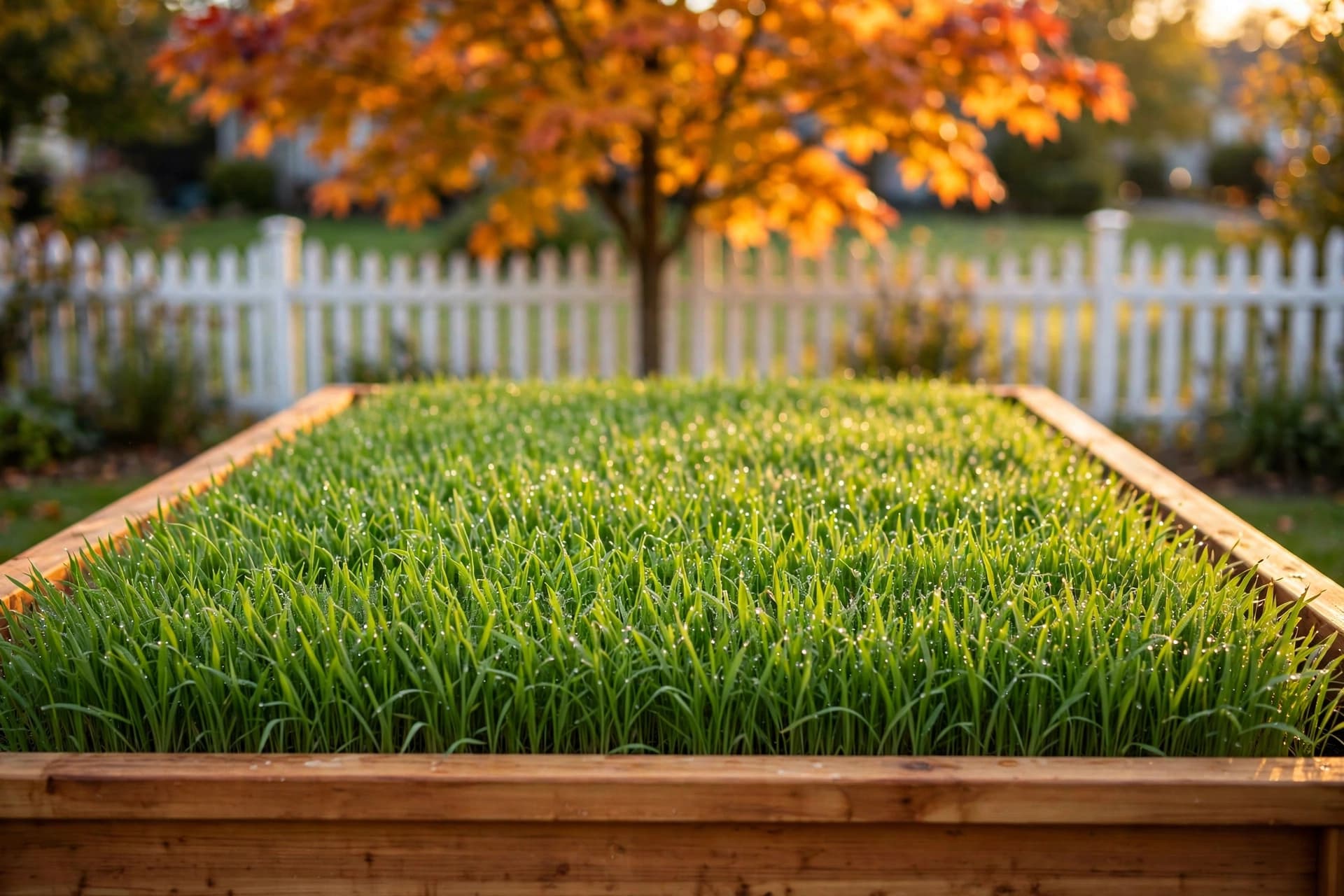
Green manure is best planted in raised beds since the area is not large and can be handled easily. It is to select plants which you can complete without a tiller. A 4-8 foot bed requires approximately 1-1 1/2 ounces of grain seed and thus a single small bag forms the covering of a number of beds.
- Most trouble-free selections: Crimson clover and oats. These can both be easily cut at soil level and, in cold-winter regions, oats will perish on their own.
- Rye and vetch: The plan here is, cut in ground with a sharp hoe or shears, and then stamp out the cuttings with a dark tarp in a few weeks. (Source: Cooperative Extension guidance)
- Spare room to other crops: Spare a bed to garlic? Plant this month instead of the seed there, and plant garlic. When peppers are still on a bed, lift them and then sowing, and here is how to store your peppers over the winter indoors.
Planting Cover Crops this Weekend, Step by Step.

- Clear the bed. Pulled off spent plants and cut woody stems at the soil level. Dispose of any diseased plants in the garbage, not the compost.
- Rough up the surface. Rake the surface inch or two of soil. Deep digging isn't necessary.
- Inoculate legumes. Apply the appropriate inoculant powder to coat clover or vetch seed.
- Broadcast evenly. Moisten seed with a handful of sand, and then sow a half in one direction, and a half in a crosswise.
- Rake and firm. Add approximately 1/4 inch soil to tiny clover seed and 1/2 to 1 inch to large grain seed. Stamp using the reverse of a rake.
- Water and protect. Maintain moisture of the bed until sprouts grow which normally takes a period of one to two weeks. Hungry birds are kept away with the help of a thin layer of straw.
Three Mistakes That Sink a Good Stand
- Skipping seed-to-soil contact. Any seed on the surface is washed away or eaten by birds.
- Waited too long to cut. Tall, heavy rye is far more difficult to control, and should be begun early in the spring.
- Purchasing incorrect seed. Find winter-type grains, cereal rye (not ryegrass) and untreated seed.
Completing in the Spring.
Mow off plants at ground level when the rye or clover begins to flower but not when it forms seed. dispose of the clippings as mulch or plow them under. Direct-seed small crops such as carrots or lettuce should be direct-sown two to three weeks later, as the rye residue can retard small seeds. Earlier transplants can be done such as tomatoes. (Source: Cooperative Extension guide) Not aware of which seed to plant in your area? Contact you local Cooperative Extension office to get varieties and specific dates.
References:
- Sowing windows and regional planting windows: NOAA NCEI Freeze/Frost Data, SARE's Managing Cover Crops Profitably (3rd ed.), and your state's Land-grant University Cooperative Extension System cover crop fact sheets.
- Bare-soil erosion, nutrient loss, and living cover benefits: USDA Natural Resources Conservation Service (NRCS) Soil Health Guidance and Conservation Practice Standard for Cover Crop (Code 340).
- Cold tolerance, legume nitrogen fixation, and nitrogen scavenging: SARE's Managing Cover Crops Profitably (3rd ed.).
- Crop habits, winter-killing, nitrogen tie-up, and termination methods: Land-grant University Cooperative Extension Publications.
- Seeding rates: Land-grant University Cooperative Extension System and regional seed suppliers.
- Hardiness zones: USDA Agricultural Research Service USDA Plant Hardiness Zone Map.
Your Next Step: Plant This Weekend.
The window of October 10 will not wait long but the job is little: sweep out a bed, sprinkle seed, rake it in, and leave the plants to do the rest through the winter. Use rye or wheat to do the weed, clover or vetch to supply free nitrogen and oats to finish with an easy no dig finish. Ready for what's next? Read our soil, compost and fertilizer books to plot your spring beds as your seedlings grow.
Frequently Asked Questions
What are the best fall cover crops for vegetable gardens?
Do cover crops add nitrogen to garden soil?
Is it too late to sow a cover crop after Oct. 10?
Can I use cover crops for raised beds without tilling?
Winter rye vs annual rye: which is better for a vegetable garden?
How do I clear a cover crop in spring?
About Philemon John
Philemon John is the Lead Author of Broad Gardening and has more than 10 years of experience growing and caring for plants in the backyard. He is particularly passionate about vegetable gardening, soil building and pest management and offers real-life advice and tips to support home gardeners.