When to Plant Spider Lily Bulbs: Hurricane Lily Guide

By Philemon John
Lead Author & Cultivator • Peer Reviewed & Soil Tested
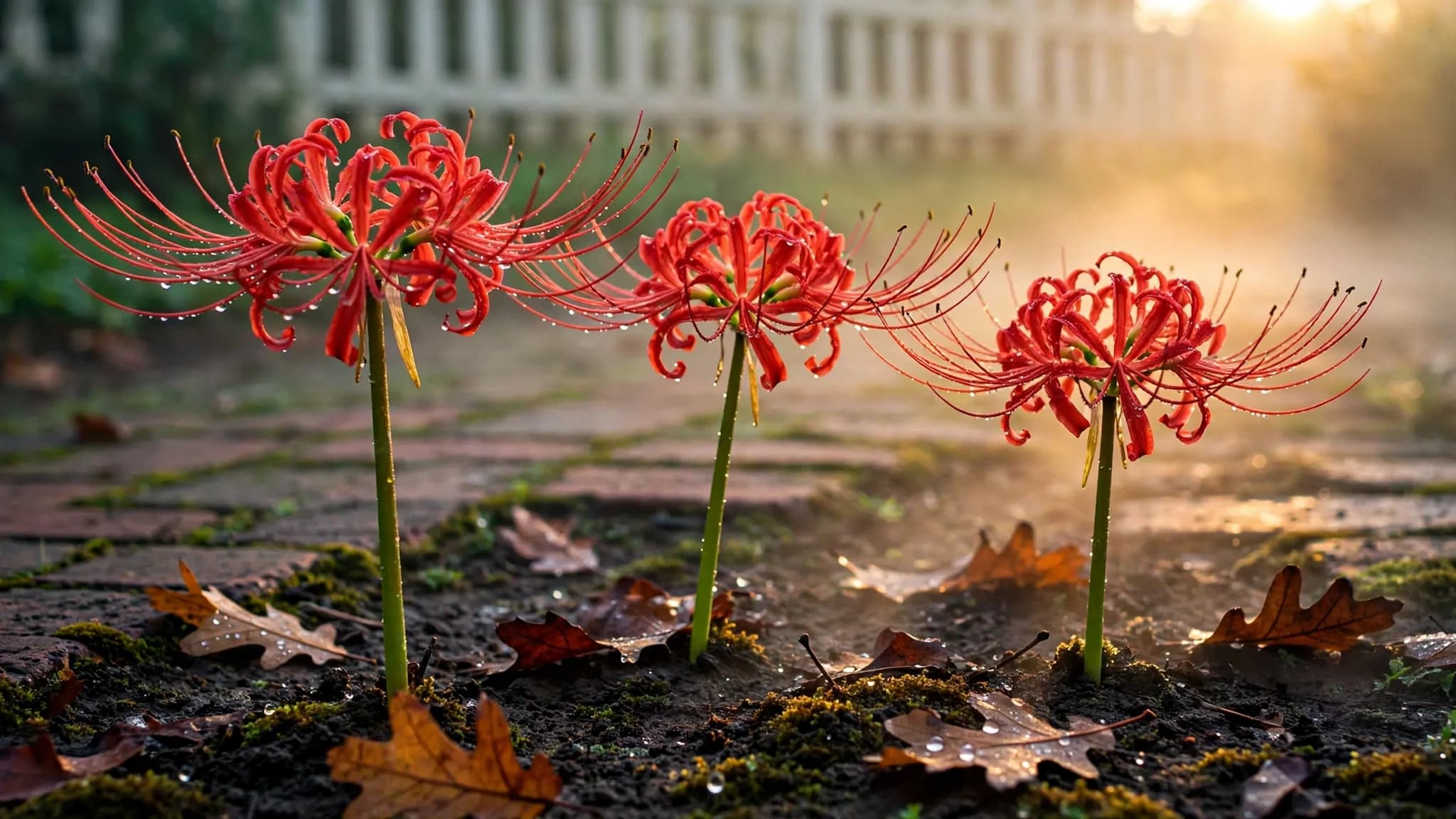
It is early October and you are driving home when some red flashes, as you head home, paralyze you: spidery flowers on bare green stalks, standing in the yard of a neighbor just after a heavy rain. No notification, no caution, mere firecrackers out of the soil. Should you wish a spot to yourself of those hurricane lilies, this guide will give you the time of fall, the place, and the procedure to plant them next year to enjoy them.
Short Answer: The most favorable period to plant these bulbs is between late in the summer and early in the fall, and even in late October, in places where the bulb is tough and the soil is not frozen. Plant red spider lily bulbs with their necks in the soil surface with well-drained soil and receive full sun to light shade. The unleafy flowers are natural: the leaves develop during the colder seasons and wither before the blossoms come up.
Why Do Spider Lilies Bloom Without Leaves?
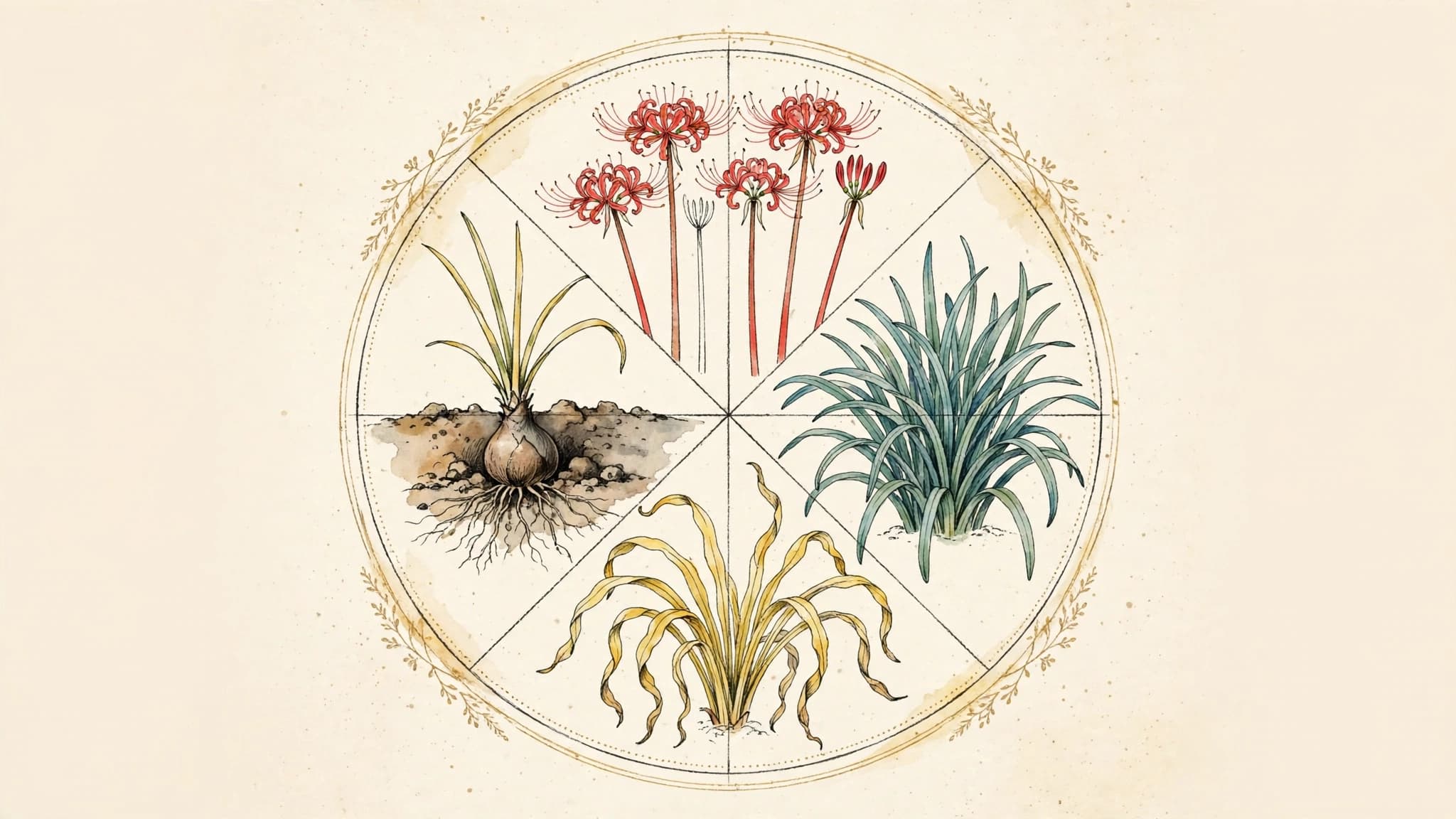
And this is the brief version; these bulbs have a backwards-running calendar compared to most of the garden plants. Red spider lilies, which most Southerners refer to as hurricane lilies, grow out grass-like leaves in fall, maintain them greener throughout the winter and eventually wither in late spring (Source: Missouri Botanical Garden Plant Finder).
Nothing is left above ground by summer. Then flowering will be induced by heavy rainfall and bare flower stalks, known as scapes, will grow up in a few days. The stalks are 1 to 2 feet high and bear a bunch of coral-red flowers having long and curled stems resembling spider legs.
The nickname is due to that timing caused by rain. The name hurricane lily is specifically used in Florida, due to the fact that the flowers bloom in the hurricane season, which occurs the months of June 1 to November 30 in the Atlantic (Source: NOAA National Hurricane Center).
Once the flowers have died the leaves assume the role. During the cool months, they accumulate the sunshine, and nourish the bulb. And a bare stalk in October is a plant that is very healthy and is doing just what it ought to.
The yearly cycle at a glance
- Late summer-early fall: bare stalks grow and blossom.
- Fall-winter: bulb is fed by strap-like leaves.
- Late spring: leaves become yellow and fade.
- Summer: the bulb is in rest and it is quite content with fairly dry soil (Source: Missouri Botanical Garden)
Spider Lily vs Surprise Lily vs Hurricane Lily: What is the Difference?
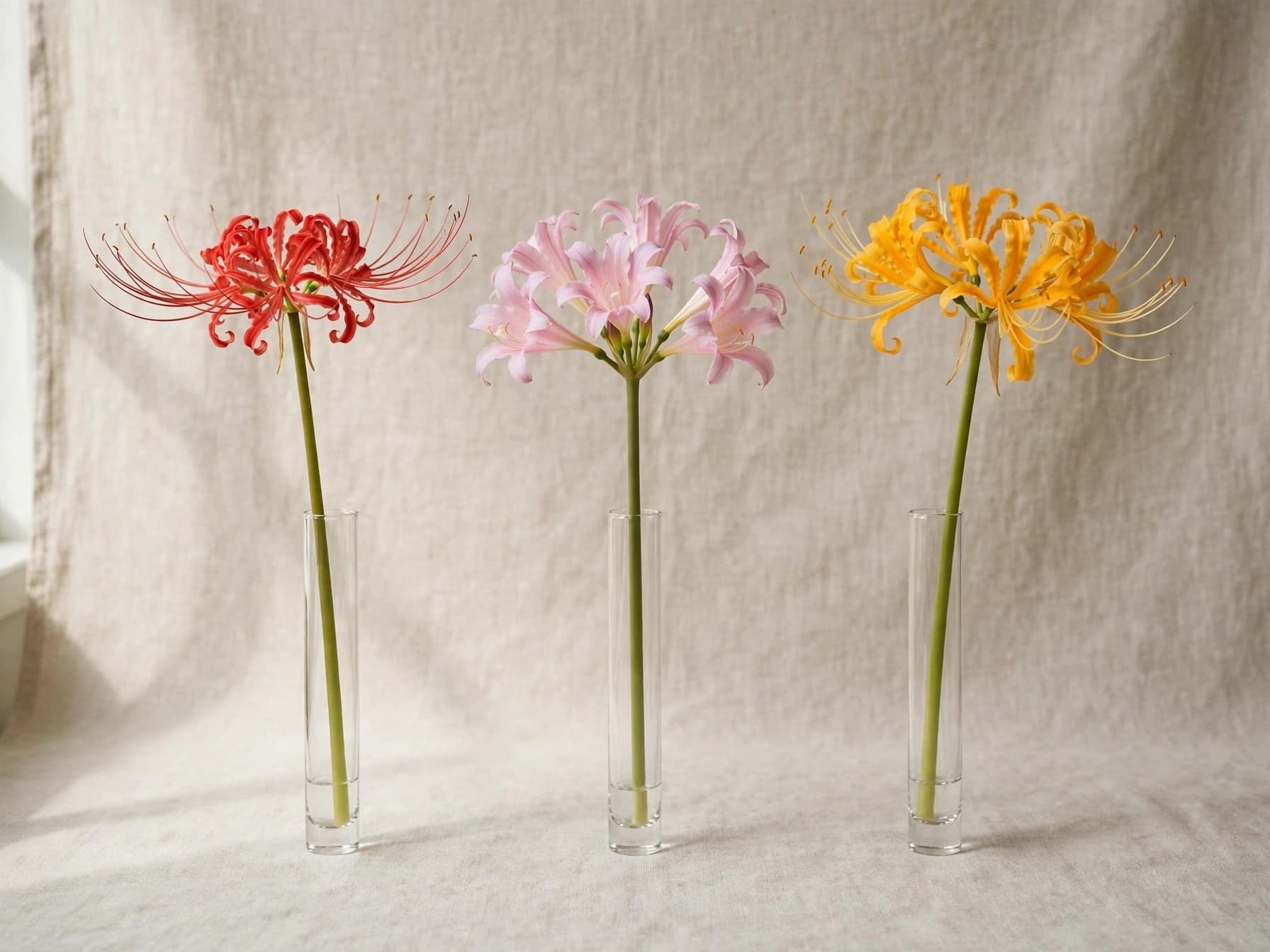
These names intersect, thereby making the garden-center labels to appear as a puzzle. All of them refer to Lycoris, the genus of bulbs, belonging to the amaryllis family. The real difference between them is species, color of flower, and time.
- Hurricane lily is a local name of red spider lily (Lycoris radiata), due to its storm-season flowering.
- The name surprise lily is used throughout the entire genus, as well as magic lily and resurrection flower. By most gardeners, Lycoris squaniger, the pink, fragrant, is intended.
- Spider lily is the umbrella heading of the group. It also applies to an unrelated white-flowered plant of the genus Hymenocallis, thus always consult the botanical name before purchasing.
Here's how the three favorites compare:
| Common name | Botanical name | Flower color | Typical bloom time | Leaves appear | Hardiness (approx.) |
|---|---|---|---|---|---|
| Red spider lily (hurricane lily) | Lycoris radiata | Coral red | Late Aug to early Oct | Fall, after bloom | Zones 6–10 |
| Surprise lily (magic lily) | Lycoris squamigera | Pink with a lilac tint | Late July to Aug | Early spring | Zones 5–9 |
| Golden spider lily | Lycoris aurea | Golden yellow | Sept to Oct | Fall, after bloom | Zones 7–10 |
Hardiness zones vary slightly depending on the source, therefore the zones are only a guideline. The lesson: cold-winter gardeners can use surprise lily, it is the most robust of the Lycoris family and its leaves develop in spring rather than the dead of winter. Plant red spider lily in zone 6, tucking it into an area protected from winter freezes that can destroy the plant (Source: Missouri Botanical Garden).
Feeling like more color after summer? Search our flower and ornamental gardening books.
When Do Surprise Lilies Bloom?
The type of timing reliies on the type and it may be moved by weather by a week or two. Surprise lily is the early bloomer. Its strap-like leaves appear in early spring, around the same time as daffodils appear, and disappear by early summer. Within several days, 2-foot stalks with no leaves emerge in late July or early August, and have six to eight pink flowers (Source: Scott Arboretum of Swarthmore College).
Red spider lily comes afterwards. Its stalks normally emerge between late August and early October, and mostly within days of a soaking rain following a dry period. The golden spider lily will also grow in the same late-summer-early-fall period and is hardy in zone 7 to 10 (Source: instructions on growing bulbs).
Three things to do to like the show:
- Mark the spot. All the bulbs that are not in flower disappear during the summer season, and to prevent drilling into them, set a plant tag near them or a flat rock.
- Allow new bulbs time to warm up. Just divided bulbs tend to omit bloom a year as they develop new roots (Source: NC State Extension).
- Experiment with a late-summer soak. To imitate the rain signal, some gardeners water excessively in the end of a dry period. The outcome is mixed, as such use it as a trial, rather than an assurance.
When to Plant Spider Lily Bulbs in Your Zone
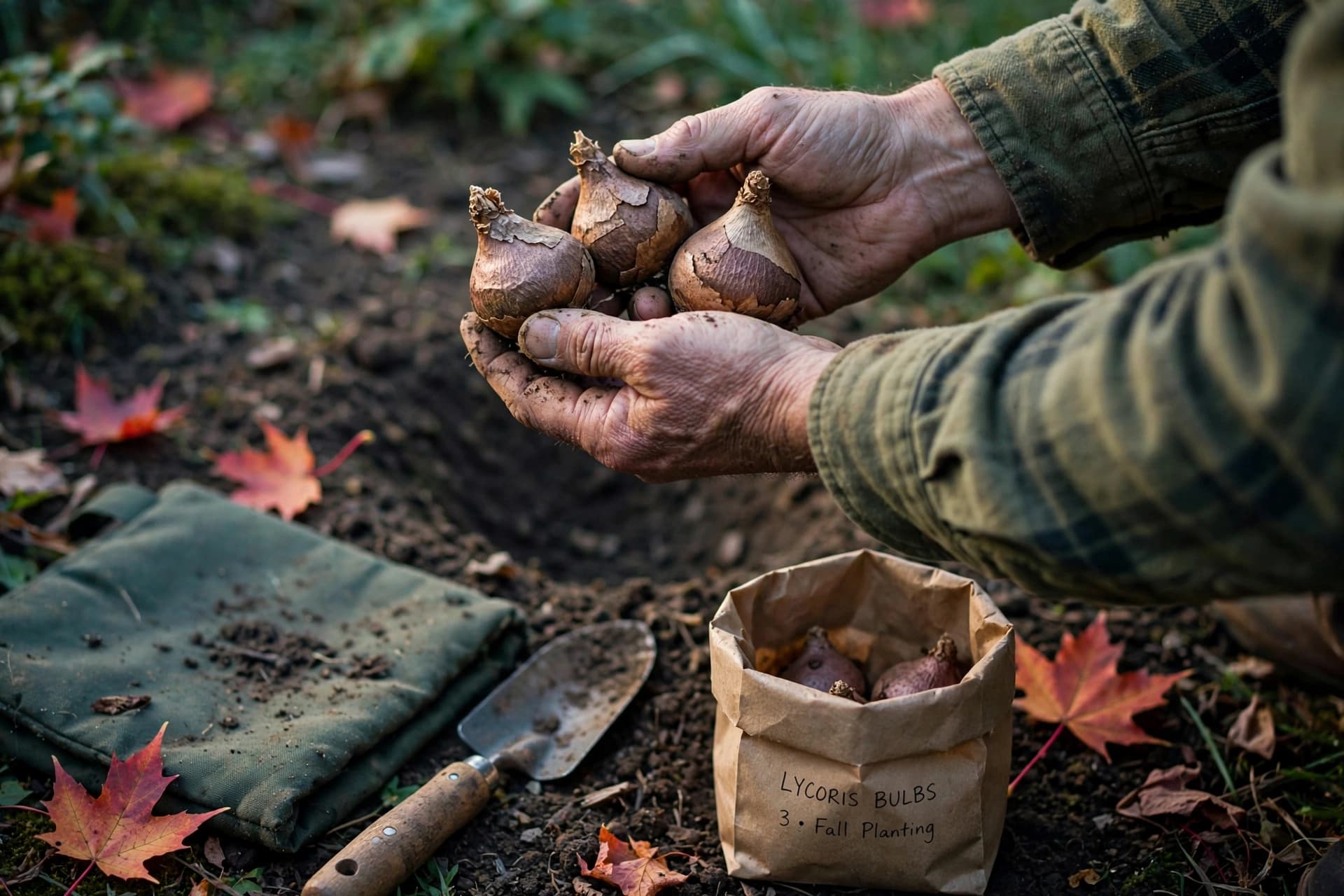
Planting season begins in late summer and continues through early fall allowing roots to develop during autumn before the growth of leaves and flowers (Source: bulb grower guidance). The bulbs are dormant during this period of the year and hence the nurseries sell them and the shopping and planting coincide.
You have not missed it in case you are reading this at the beginning of October. Buy bulbs today and place them out the day they come.
Apply this thumb rule, and subtract your local frost dates:
| Zones (typical regions) | Best pick | Planting window | Extra tip |
|---|---|---|---|
| 5–6 (much of the Midwest and Northeast) | Surprise lily | Late Aug to early Oct | Add loose mulch once the soil cools |
| 7–8 (Mid-Atlantic, Upper South, Texas) | Red or golden spider lily | Sept to late Oct | Choose a sheltered spot in zone 7 |
| 9–10 (Gulf Coast, Florida, coastal California) | 9–10 (Gulf Coast, Florida, coastal California) | Sept to Nov | Keep summer soil on the dry side |
These are estimates, and not strict timelines ( Source: general extension and bulb grower guidance). Not sure of your zone? Enter your ZIP code on the USDA Plant Hardiness Zone Map.
The most flexible are the surprise lilies. They may also enter in the early spring when the soil is workable, but fall is the norm of all types.
Then work in planting day into the rest of your autumn list. Our instructor as to what must be done before the first frost assists you in placing the work in order.
Where to Plant Spider Lilies: Sun or Shade?
Imagine two seasons: a dry, inactive summer and a green active winter. Your planting location must be mutually effective.
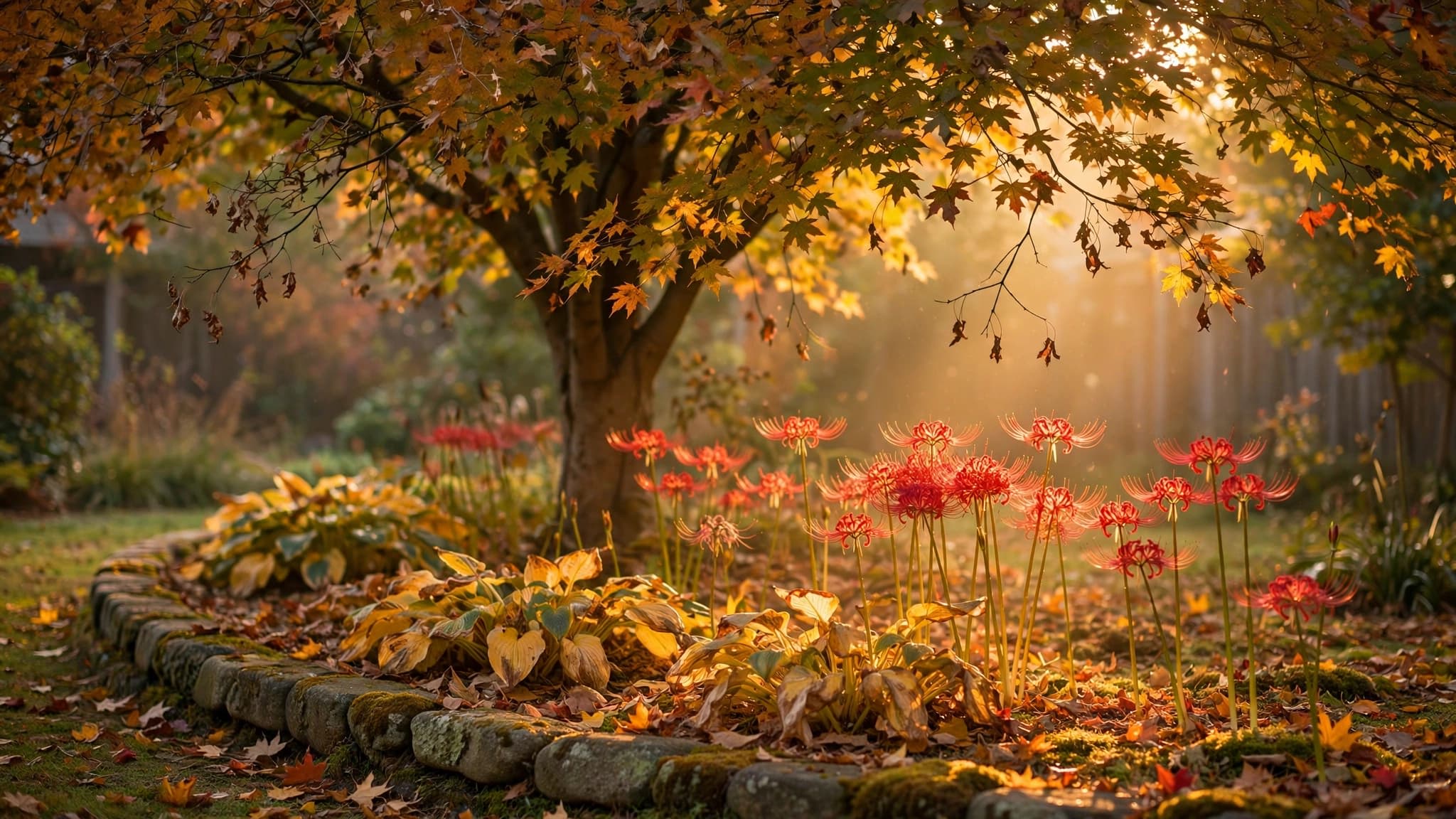
The majority thrives in full sun to part shade, with the red spider lily coping with additional shade than the others, particularly in hot regions (Source: Gardenia plant guide). Direct sunlight 5 to 6 hours suffice, although excessive sun stimulates more flowering (Source: bulb grower guidance).
Since the red and golden types bear leaves in winter a bed under a deciduous tree can be perfect. As soon as the canopy falls, sunlight reaches the leaves, and drier soil under a tree is more conducive to the summer rest. Evergreens are thick as thieves, as shade all year round may prevent the plants even growing into flower.
Light is not as important as drainage. They grow in wet soil, and require a dry spell of early or mid summer before they will go to sleep, and so do not use beds where they will receive the run-off of lawn-sprinklers. A very small raised bed, or soil enriched with compost and coarse sand, is effective.
Quick site checklist
- Sun: 5-6 hours; red types like light shade are okay.
- Drainage: no puddles 24 hours following a heavy rain.
- Moisture during summer: avoid sprinklers and drip lines.
- Distance: 6-12 in between bulbs (Source: NC State Extension)
- Winter shelter: an area close to a foundation or windbreak can be helpful in zone 6 (Source: Missouri Botanical Garden)
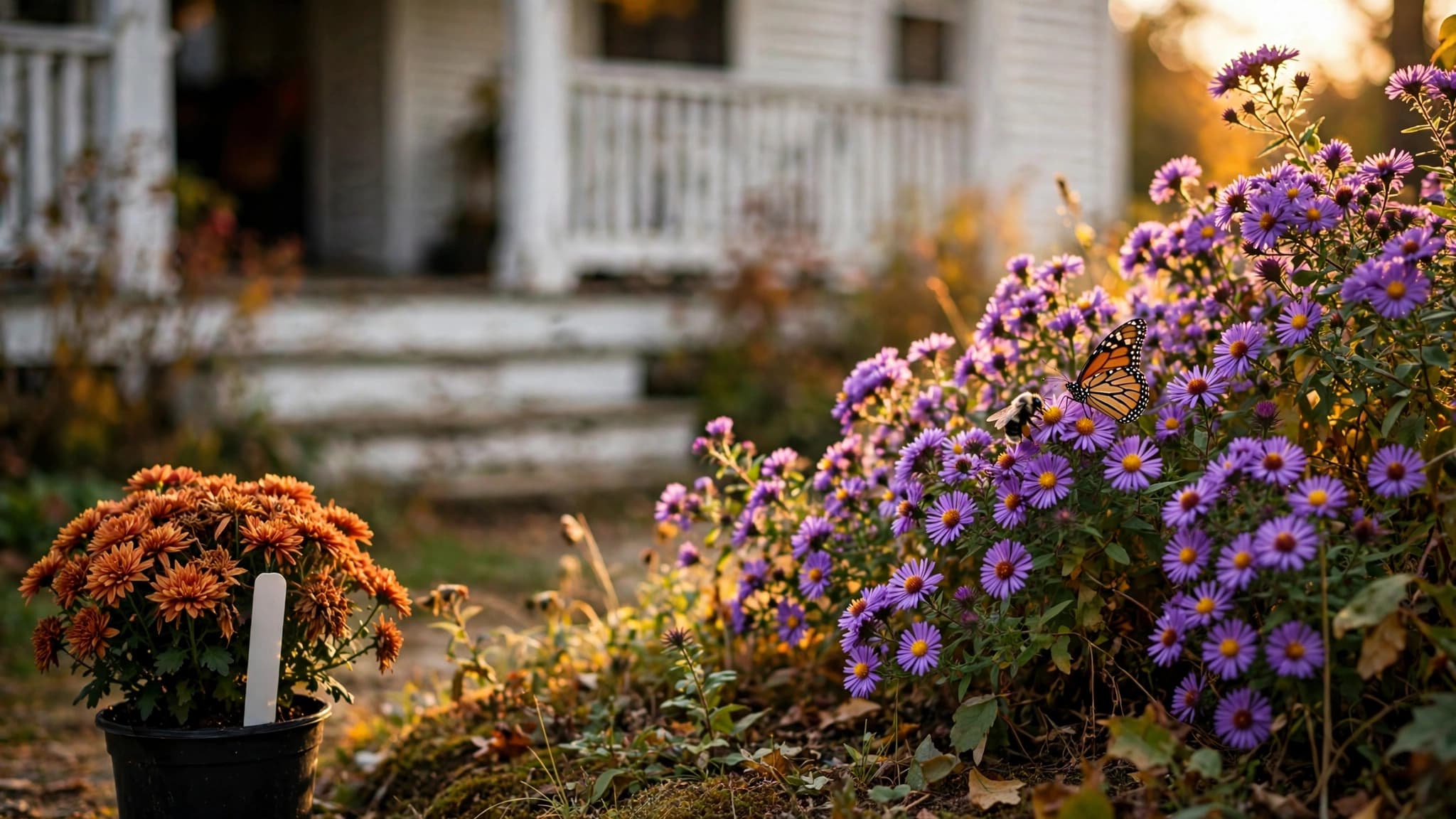
Bees, butterflies and hummingbirds are also attracted to late season flowers, so these bulbs can easily fit into a pollinator garden (Source: Missouri Botanical Garden).
How to Plant Lycoris Bulbs in Fall (Step by Step)
Prep the Bed
Select full-bodied, firm bulbs and avoid bulbs that are mushy or those that have a musty smell. Turn up the soil, 8 inches. Add compost, or coarse sand in slow drains. At the time of planting, use sparingly, as an overabundance of nitrogen in the diet will cause the leaves to shoot out, at the expense of the flowers.
Plant the Bulbs at the Right Depth.
Here is the place where most gardeners fall. With red and golden spider lilies, plant them with the pointed end of the bulb up and the neck of the bulb at or slightly above the soil surface (Source: NC State Extension Plant Toolbox). In borderline-cold region, neck can be sunk approximately 2 inches below the surface to protect them, although deeper burying of the bulbs will prevent flowering.
Surprise lilies tend to be planted deeper and several inches of soil to cover the bulb therefore adhere to the label as provided by your supplier. Certain catalogs suggest that each type should have deeper holes. The label on your bulbs prevails when there is disagreement between sources.
Spacing of the bulbs Space bulbs 6 and 12 inches apart, and plant them in fives or more to make a more striking display.
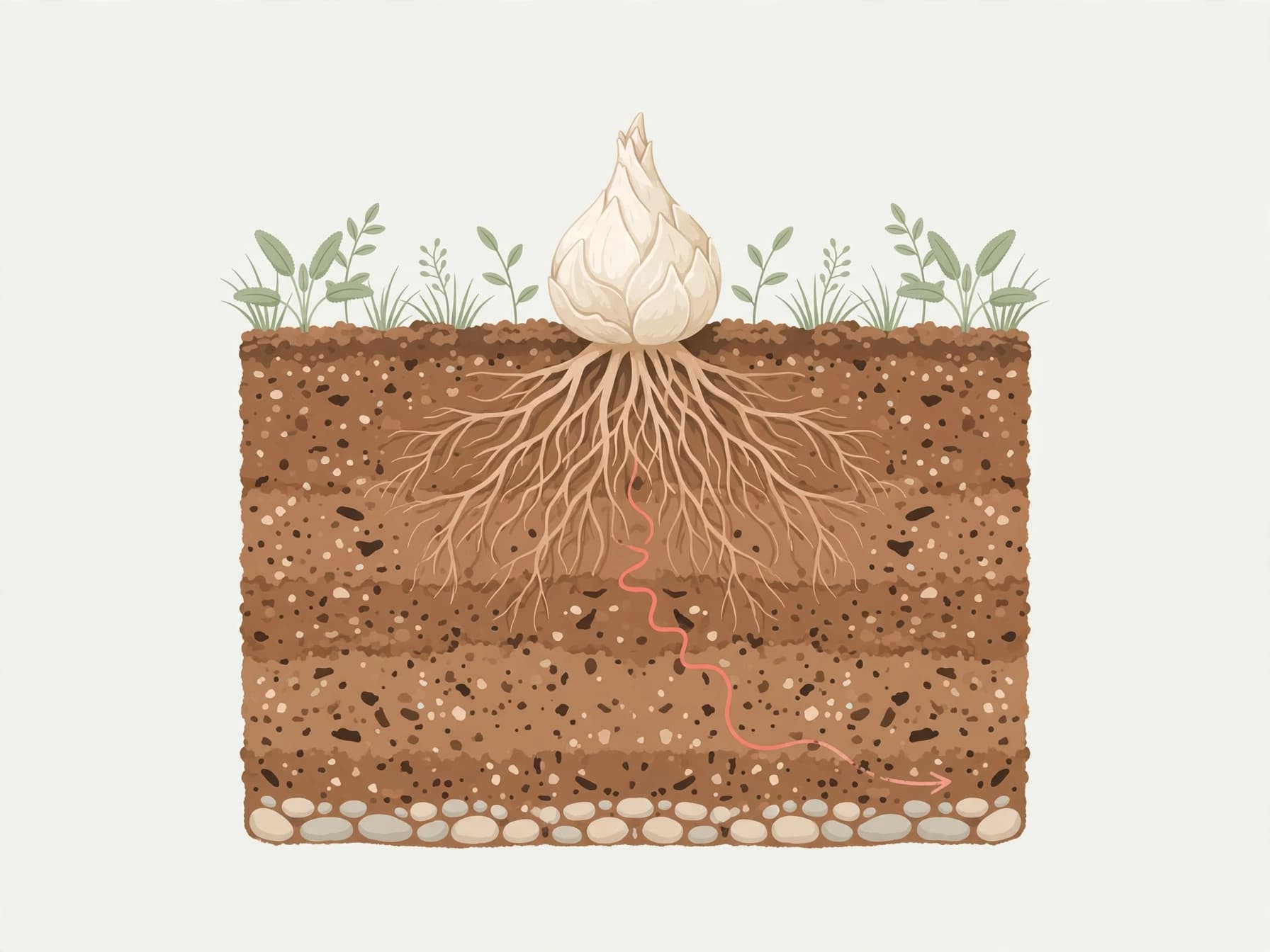
Wait, Mulch, and Water.
Water thoroughly after planting. Maintain even moisture in the soil as long as there are leaves, but drier during summer dormancy. In areas 6 and below, sprinkle loose layer of shredded leaves or straw on the ground after the ground cools, and do not cover the necks of the bulbs. How to mulch leaves in a hurry is demonstrated in our leaf-shredding tips.
When you are feeding the lawn this fall, be sure to consult our guide to winterizer fertilizer timing, and do not use the spreader over the bulb bed. Allow the leaves to turn yellow and fade naturally to enable the bulb to save energy to use next year when the flowers bloom.
Finally, wear gloves. The plant has low severity of poison traits and therefore one should not keep the bulbs in the presence of pets and children who may chew them (Source: NC State Extension Plant Toolbox).
References:
- Missouri Botanical Garden, Plant Finder: Lycoris radiata — Foliage cycle, hurricane lily name, bloom habit, dormancy moisture, winter shelter, and pollinator notes.
- NC State Extension, Plant Toolbox: Lycoris radiata and Lycoris squamigera — Planting depth, spacing, hardiness, bloom behavior, and poison notes.
- NOAA National Hurricane Center — Atlantic hurricane season dates.
- USDA Agricultural Research Service, USDA Plant Hardiness Zone Map — Hardiness zone reference data.
- Scott Arboretum of Swarthmore College, Lycoris squamigera profile — Surprise lily bloom timing and stalk description.
- Gardenia.net, Lycoris (Spider Lily) Growing Guide — Shade tolerance, planting time, and neck-depth guidance.
- Easy To Grow Bulbs, Lycoris Planting & Growing Guide — Planting window and sun requirements.
- ADR Bulbs, Lycoris aurea growing information — Golden spider lily zones and bloom season.
- Dave's Garden, "A Summer Blooming Surprise: Lycoris squamigera, the Magic Lily" — Spring foliage timing and planting seasons.
Final Thoughts
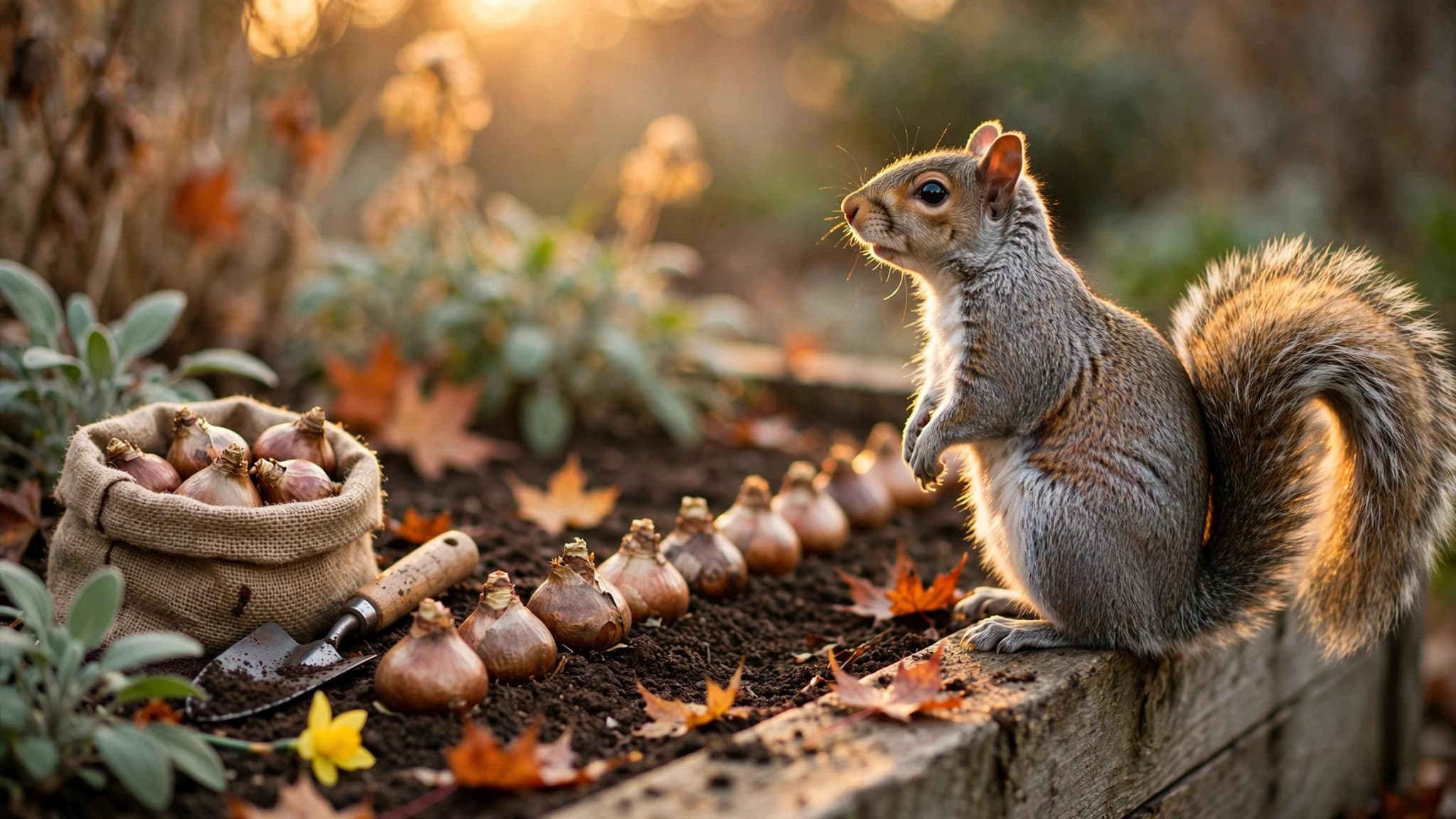
The red flowers that are without leaves are not an exception. They are a timely bulb that does what it must. Plant your bulbs in the ground this fall, keeping the neck of a red and golden type just above the ground, in a sunny well-drained area and add some patience. You'll have your own surprise in a season or two. With your trowel in hand, go and read our advice on bulb squirrel-proofing and plot your next round of planting.
Frequently Asked Questions
When to plant spider lily bulbs if you live in a cold climate?
Do hurricane lilies come back every year?
How to plant lycoris bulbs in fall if your soil is heavy clay?
When do surprise lilies bloom compared with red spider lilies?
Why won't my spider lilies bloom?
Are lycoris bulbs poisonous to pets?
About Philemon John
Philemon John is the Lead Author of Broad Gardening and has more than 10 years of experience growing and caring for plants in the backyard. He is particularly passionate about vegetable gardening, soil building and pest management and offers real-life advice and tips to support home gardeners.