Are Robot Lawn Mowers Worth It? A Buyer's Reality Check

By Philemon John
Lead Author & Cultivator • Peer Reviewed & Soil Tested
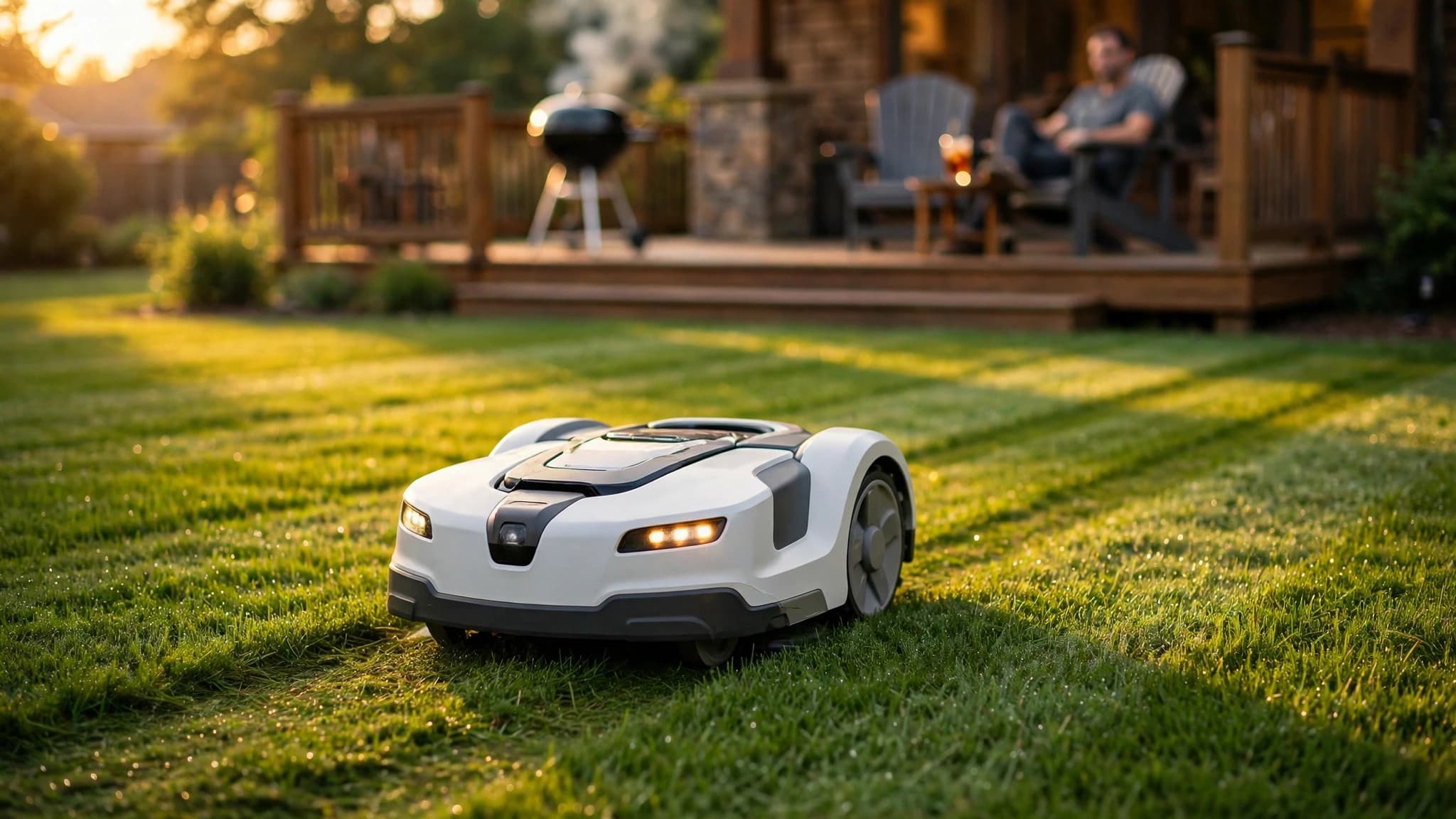
It is a 92 F July Saturday, and the grass is 9 inches long after a week of rain, and your back is already aching. In the meantime, a little machine in your neighbors yard is doing the entire task as he grills on the patio. Before you sink a few thousand dollars into one of your own, you are entitled to an answer. The real cost of these machines, where they shine, and where they should be shunned are here.
Quick Answer: To most American homeowners having an open, mid-sized grass, but no affection towards a mower, a robotic mower is a brilliant purchase that will yield an hour or two each week and can pay off in a few seasons when compared to a paid service. It does not suit small, crammed-up, very steep or heavily shaded yards. Estimate between $800 and 2000 on a good model and over 3000 to purchase large and complex properties.
How Much Does a Robot Lawn Mower Cost? Price Tiers for 2026
The first obstacle is Sticker shock, thus putting real numbers on the table. They vary with the size of the lawn, the technology of navigation, and the ability to climb the slope and are constantly changing. Think of them as 2026 ball parks and cross-verify existing listings prior to purchase.
| Tier | Typical price | Best for | Trade-offs |
|---|---|---|---|
| Budget | Under $1,000 | Small, simple lawns | Often needs boundary wire; modest slope ability |
| Mid-range wire-free | $1,000–$2,500 | ¼ to 1 acre with some obstacles | Costs several times a push mower |
| Premium large-lawn | $3,000–$4,300+ | 1–2 acres, trees, slopes | Highest price; dealer support matters |
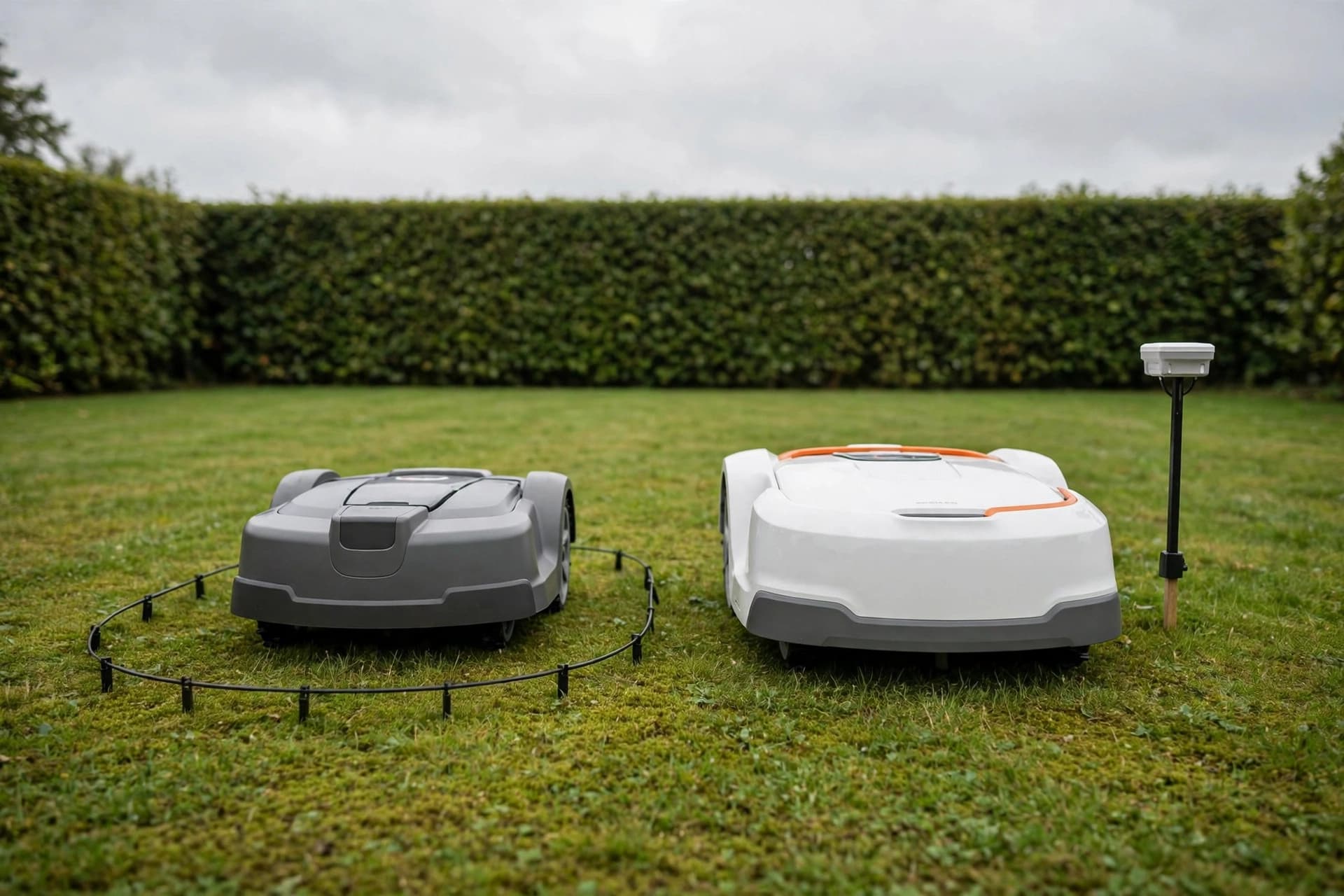
The recent ratings of Consumer Reports cover the price range of about 800-2000 (Source: Consumer Reports). Models that run on satellites without the use of wire begin at approximately one thousand dollars and wire-free installation is now a standard on most of the mid-range and premium machines (Source: Lawn Love). At the high end, Husqvarna introduced iQ series with a price of about, 3,000 to 4,300, depending on the size of lawn (Source: Toms Guide). Prices of products being launched are not consistent, do check before you shop.
The price is driven up or down by four things:
- Coverage area. Rated acreage is the largest one and thus a half-acre model would cost much less than a two-acre model.
- Navigation. Satellite-plus-camera systems are expensive compared to simple systems using a boundary-wire system, but they will save you a weekend of pegging cable.
- Drive and slope ability. Whether it has all-wheel drive or steep-slope ratings increases the cost.
- Extras. Reference stations, covers and cellular connectivity are occasionally packaged and even sold independently.
Make extras plans, too. The replacement blades, cover on the dock, and anti-theft options are all incremental. The fact that these machines can be picked and moved by almost anyone indicates that a PIN lock and GPS tracking is of concern (Source: Consumer Reports).
Does the Math Work Against a Mowing Crew?
And this is interesting. The typical price of lawn professionals is around 45-90 a visit and a quarter-acre lot costs around 50-55 (Source: Housecall Pro). Suppose you have 28 a season cuts at 55 per week, you are paying approximately 1,540 per annum. It takes a $2,000 mower an average of 1.3 seasons to catch up.
When you mow it yourself the equation inverts. A push mower will cost a couple of hundreds of dollars; therefore, time, rather than money is what a robot will save. Check the cost of both options by browsing our garden tools and equipment guides.
Pros and Cons of Robot Lawn Mowers: The Honest Tally
All devices have a honeymoon period. This is what is good after the novelty is over and this is what becomes old too soon.
What You'll Love
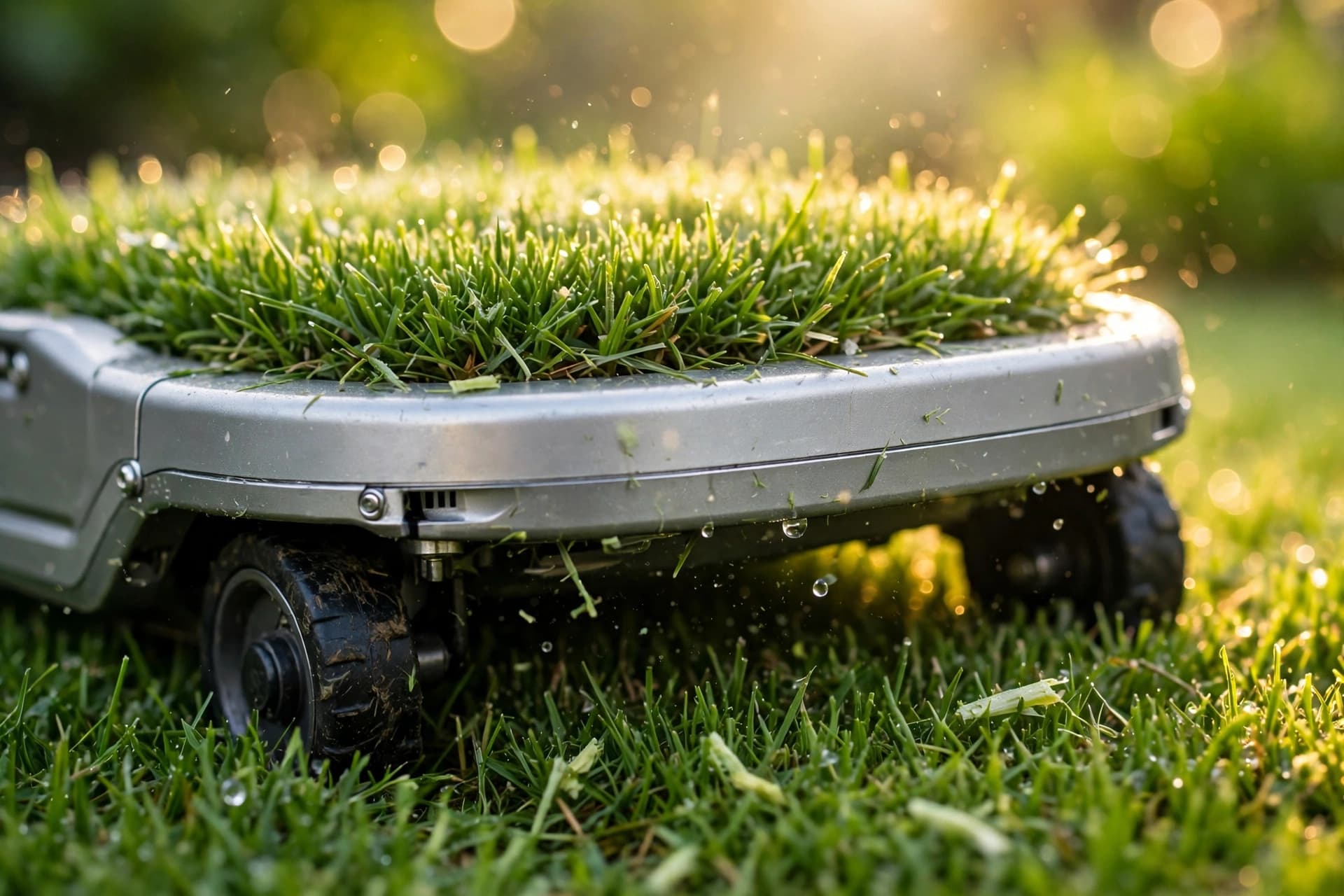
- Time back. According to the test of the lawn-mower carried out by Consumer Reports, these mowers are seen as a means of saving one hour or two hours a week (Source: Consumer Reports).
- A healthier lawn. The constant light trims keep you within the one-third rule, which avoids the stress, slow growth and germination of weeds of excessive trimming. The small clipping also falls back into the turf and recycled clippings provide an approximation of one pound of nitrogen per 1000 square feet annually which can be compared to one application of fertilizer (Source: University of Wisconsin-Madison Extension). That will alter the way you plan to feed, and learn when to apply winterizer fertilizer.
- Quiet, gas-free operation. No draw cord, no fuel tank, no exhaust. The EPA strengthened small-engine regulations of lawn mowers since their hydrocarbons and nitrogen-oxide emissions contribute to the formation of ground-level ozone (Source: U.S. EPA).
- Set-it-and-forget-it scheduling. Midday program mowing when you are working at the office, or nighttime when the neighbors are asleep.
What Will Annoy You
- A big upfront bill. Even low-end mowers are expensive than a good push mower.
- Setup and babysitting. You will plot areas on an application and collect hoses, toys, and sticks. These machines not only do not cut where obstacles are; they are designed not to ( Source: Consumer Reports).
- Limited cutting height. The top speed of three of the robotic mowers in the Consumer Reports rating is less than 3 inches (Source: Consumer Reports) this can cause the grass, which likes to keep higher, to be stressed.
- Leftover edges. A trimmer is still required on areas that have thin uncut strips along the fences and beds.
- Robbery and the bad weather. Docks are kept outside when they are mowing and in cold climates the mower must be stored over winter. Outfit our power equipment with our winter checklist.
Do Robot Lawn Mowers Work on Uneven Yards? Slopes, Bumps and Shade
A majority of yes, with reservations. The largest cause of buyer being disappointed is terrain hence verify these three before you place your order.
Slopes: Read the Percentage, Not the Degrees
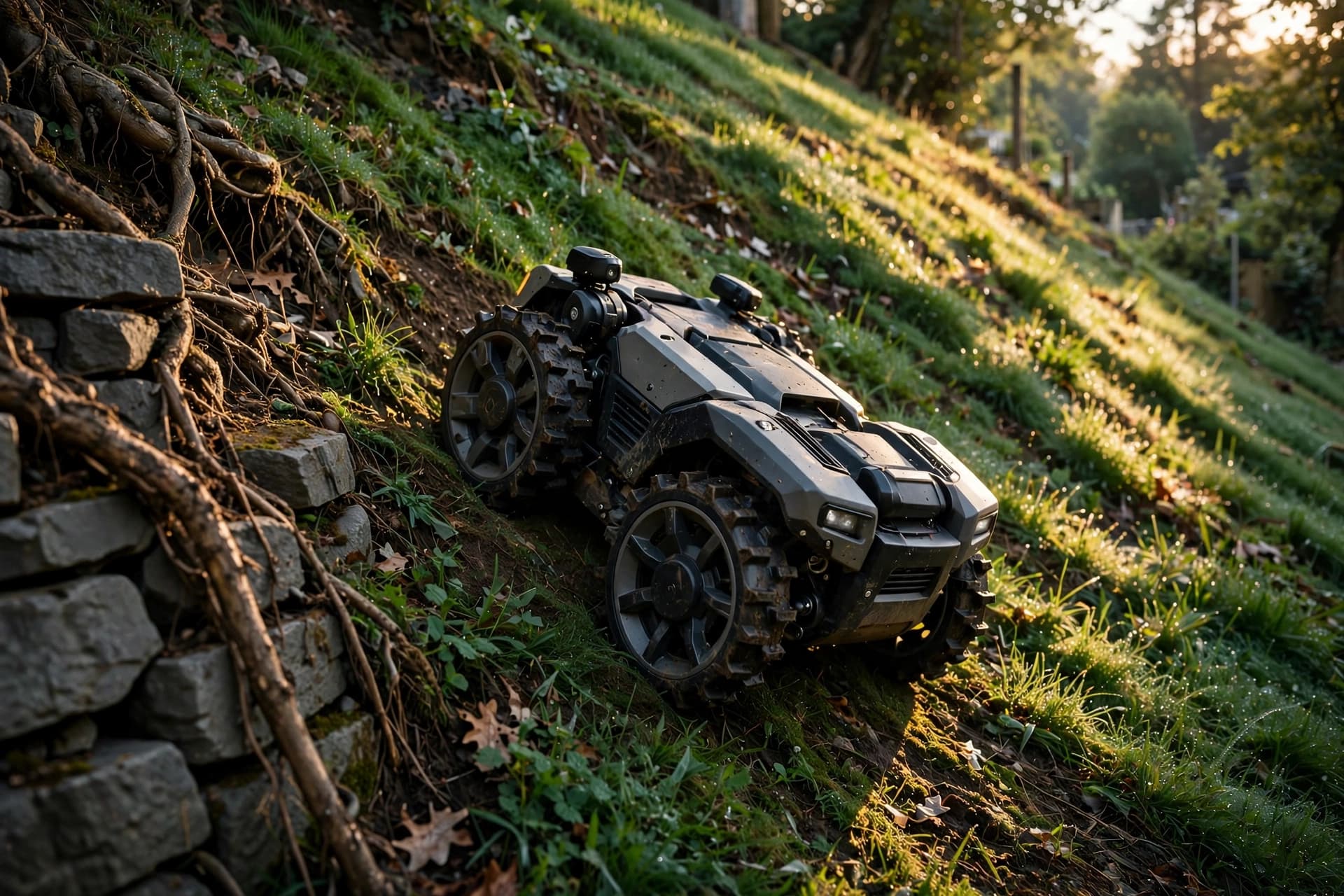
Slope is provided as a percentage in spec sheets. A 100% slope equals 45°, so a 45% slope is about 24° and an 84% slope is about 40°. Now the high end is being marketed by the premium all-wheel-drive models: Navimow X430 and X450 of Segway are marketed to have 40-degree slopes (Source: Bob Vila).
Consider that as a ceiling, not a pledge. Grass when wet is a killer of traction and be sure to pick a rating far beyond your steepest area.
Bumps, Holes and Roots
Wheels can be caught in ruts, mole tunnels, or tip a light machine can be caught on the exposed roots. Fill in low areas with topsoil, trim mounds and mark no-go areas on the worst areas in the app. All-wheel drive and suspension assistance can assist on uneasy terrain, yet nothing can substitute a fairly smooth lawn with a robot.
Test walk before you purchase. Walk the lawn with a pocket level or a slope-finding phone application, mark the steepest points, and mark all roots, ruts and wet areas. That list will inform you of what slope rating and drive system you really need, so you do not spend more than you have to on specifications which you will never utilize.
Shade and Forest cover.
Satellite guidance cannot work in heavy canopy. In forests, standard GPS fails to work (Source: Lawn Love), and that is why modern systems have cameras or LiDAR. According to Husqvarna, its new satellite technology is more forgiving of poor-reception areas like thick trees (Source: Toms Guide).
Locate the base station where it has open sky. According to Consumer Reports, the stations are designed to be placed outside during the mowing season so that the mower can get satellite signals (Source: Consumer Reports).
A fall reality check: a small robot blade can be overwhelmed by heavy leaf fall. Clear thick layers first, or become familiar with the technique of mulching leaves into your lawn with an older fashioned mower.
Robot Mower vs Traditional Mower for a Small Yard
With a yard smaller than approximately 1/8th acre, a push mower usually takes half an hour or less. That is the point of the case: the lesser the lawn to cut, the less time a robot will save.
| Factor | Robot mower | Traditional push mower |
|---|---|---|
| Upfront cost | Under $1,000 to $2,000+ | A few hundred dollars |
| Your weekly time | About 10 minutes of clearing and checking | 20–40 minutes of mowing |
| Cut quality | Frequent light trims, fine clippings | Adjustable height, classic stripes |
| Edges | Trim by hand | Trim by hand |
| Storage and security | Dock outdoors; theft risk | Locks in the garage |
| Best for | Mow-haters, strict HOA schedules | Tight budgets, cluttered yards |
A small, neat lot hosts a budget robot, which is not a money-saving device. Suppose a crew costs 45 a visit. A mower that costs 1000 dollars will break even when used on 22 cuts which is approximately one season. A hundred or so dollars of equipment takes cash on the nail, should you cut it yourself.
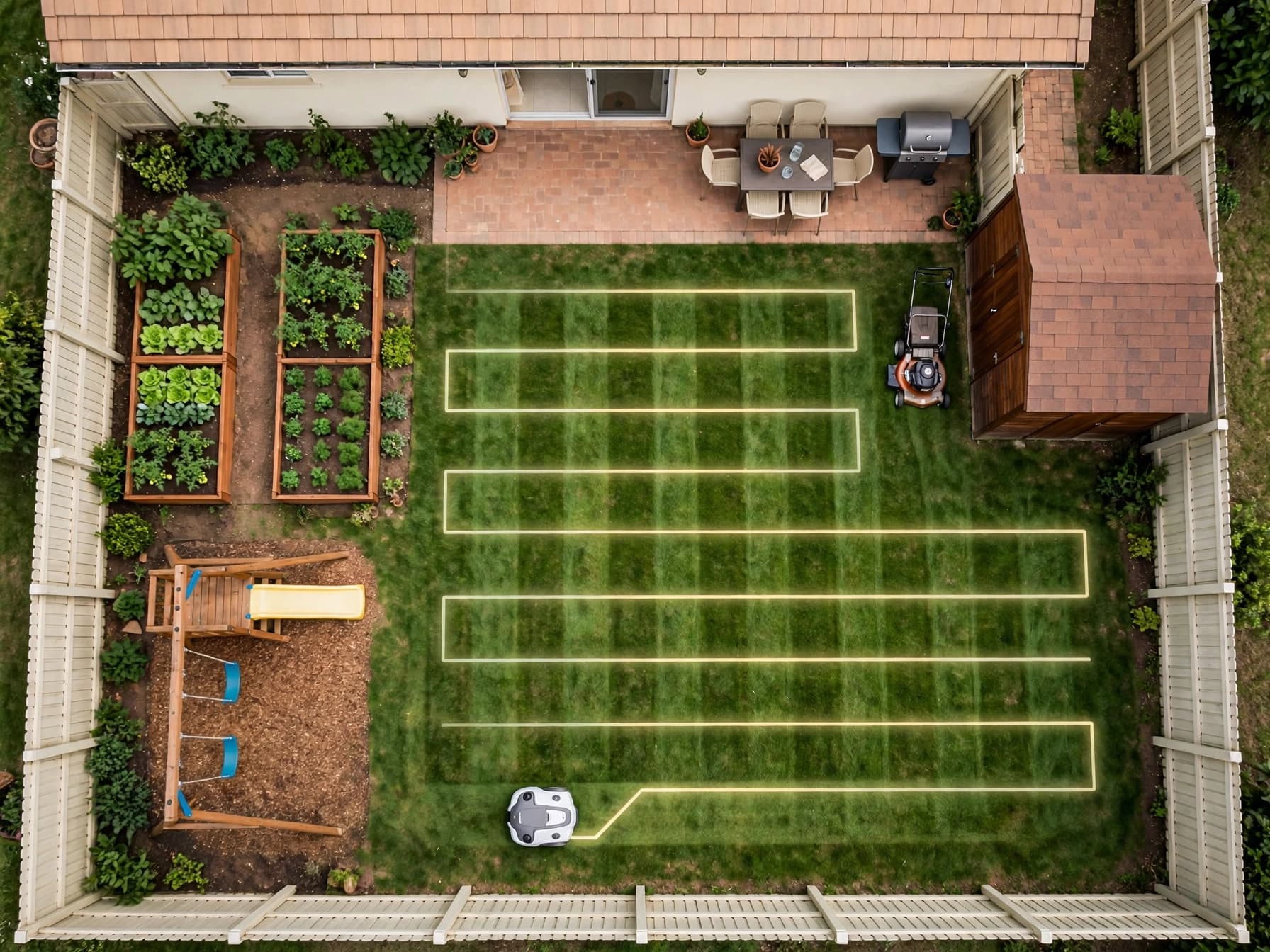
Yards which are narrow and crowded are the poorest. Patios, swing sets, and winding beds imply frequent halts and additional hand trimming. Then, in that instance, a battery-powered push mower or a mowing service is to be considered.
Nonetheless, some of the small-yard owners have good reasons to make the purchase: a strict HOA that imposes fines on tall grass, sore back or knee, lengthy working commutes, or summer heat that makes Saturday mowing unpleasant. In case one of those sound like you, a low-end model that is able to cover the fundamentals may be a reasonable purchase.
Best Robot Lawn Mower for Large Lawns: What to Look For
- Robots make their living on large lawns since each additional acre increases the number of hours you save. Shop using this list:
- Coverage with headroom. Select a model that has a higher rating than your lawn.
- Wire-free positioning. In the case of most open or moderately blocked lawns, it is the correct option to use satellite-guided wire-free navigation (Source: Lawn Love).
- All-wheel drive. It is rewarded on slopes and soils.
- Having a tall enough cutting height. Search up to at least 3 inches.
- Security and support. Search a PIN lock, GPS location and a good warranty.
Models to Shortlist
- Segway Navimow X430 and X450. The X430 is priced at 2499 ( Source: Techaeris ) and X450 is priced at 2499 ( Source: Bob Vila ) and it can cover up to 1 acre and 1.5 acre, respectively.
- Husqvarna Automower 440iQ. It has a rating of up to 2 acres, with the declared price of 4299.99 (Source: Toms Guide). Husqvarna is a well known brand in robotic mowing.
- Other products to cross-shop: the LUBA line of Mammotion and the GOAT line of Ecovacs.
Setup Tips for Big Properties
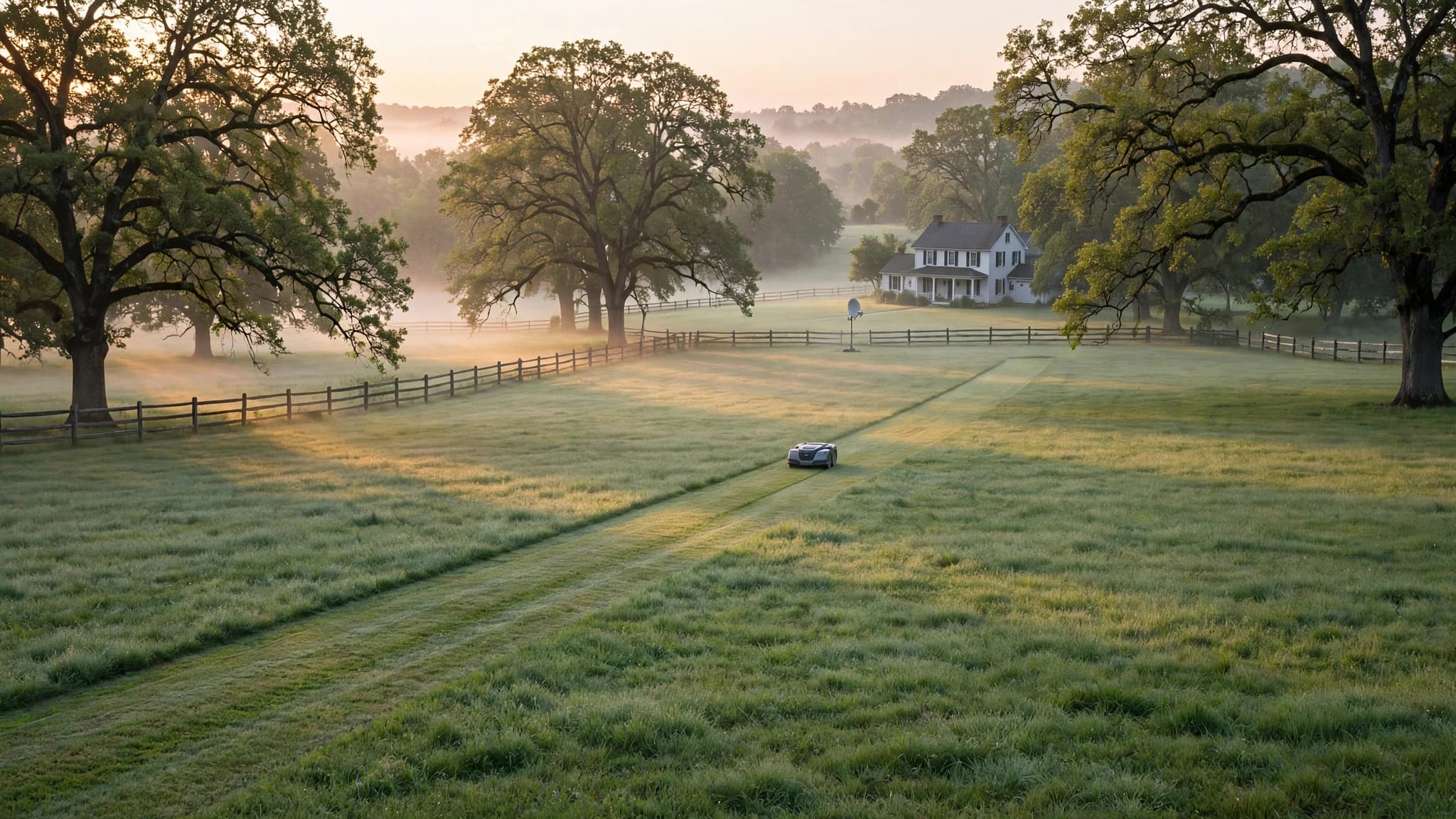
Plant in spring or early fall when growth is constant. Take time to map out, as messy boundaries are a headache waiting to happen. Next observe the first week of mowing, change stay-out areas, and repair any areas where it is stuck. Months of mowing hands-off is purchased with a little forbearance.
A riding mower or a pro crew might still be a more viable option beyond two acres. To get more comprehensive maintenance tips, visit our lawn care guides.
So, Are Robot Lawn Mowers Worth It? A 5-Question Test
Yes or no to each question:
- Is your lawn at least about ⅛ acre?
- Is it primarily open sky, and steeper than the mower is rated?
- Would you give four figures price to reclaim an hour or two each week?
- Do you have the means to lock up the mower and leave it inside in winter?
- Do you mind picking up toys and clipping edges with the sword?
Four or five yeses: buy with confidence. Two or three: begin with a cost model or retain your crew. Zero or one: stick with a push mower and save your money.
Conclusion:
A robotic mower rewards individuals with open, medium sized lawns who would gladly sacrifice dozens of hours of mowing their lawns each season to a four figure price. Instead, small, steep, or shady lawns should be given a closer attention to a push mower or a lawn service. Survey your yard, assess your grades, and make purchases without the need to worry about the cable. Considering upgrades to yard-equipment? Next, read our guide to converting to a battery-powered leaf blower.
References:
- Consumer Reports, "3 Best Robotic Lawn Mowers of 2026, Expert-Tested and Reviewed" (price range, cut-height limits, theft risk, safety marks, time saved, obstacle behavior, station placement)
- Lawn Love, "Best Robotic Lawn Mowers of 2026: A Complete Buyer's Guide" (wire-free standard, entry-level RTK pricing, GPS accuracy under trees)
- Tom's Guide, "Husqvarna's new robot mowers offer GPS for less" (Automower iQ pricing and coverage, tree-cover improvements)
- Housecall Pro, "How to price lawn care & mowing services in 2026" (per-visit mowing prices)
- University of Wisconsin–Madison Division of Extension, "Lawn Maintenance" (one-third rule, clippings nitrogen)
- U.S. Environmental Protection Agency, "EPA Tightens Emission Standards for Small Non-Road Engines" (news release, March 5, 1999) (hydrocarbons, NOx, ground-level ozone)
- Bob Vila, "Segway Navimow Offers a Rare Discount on Its Newest Robotic Mowers" (X430 and X450 coverage, 40° slope claim)Techaeris, "Navimow X430 Review" (July 26, 2026) ($2,499 price, 84% / 40° slope spec)
Frequently Asked Questions
Are robot lawn mowers worth it for a small lawn?
How much does a robot lawn mower cost to own each year?
What are the pros and cons of robot lawn mowers for homes with pets?
Can a robot mower handle rain and wet grass?
Do robot mowers get stolen, and can I stop it?
Do I still need a trimmer or edger?
About Philemon John
Philemon John is the Lead Author of Broad Gardening and has more than 10 years of experience growing and caring for plants in the backyard. He is particularly passionate about vegetable gardening, soil building and pest management and offers real-life advice and tips to support home gardeners.